7 months ago
Lakkundi Excavation Uncovers Ancient Secrets
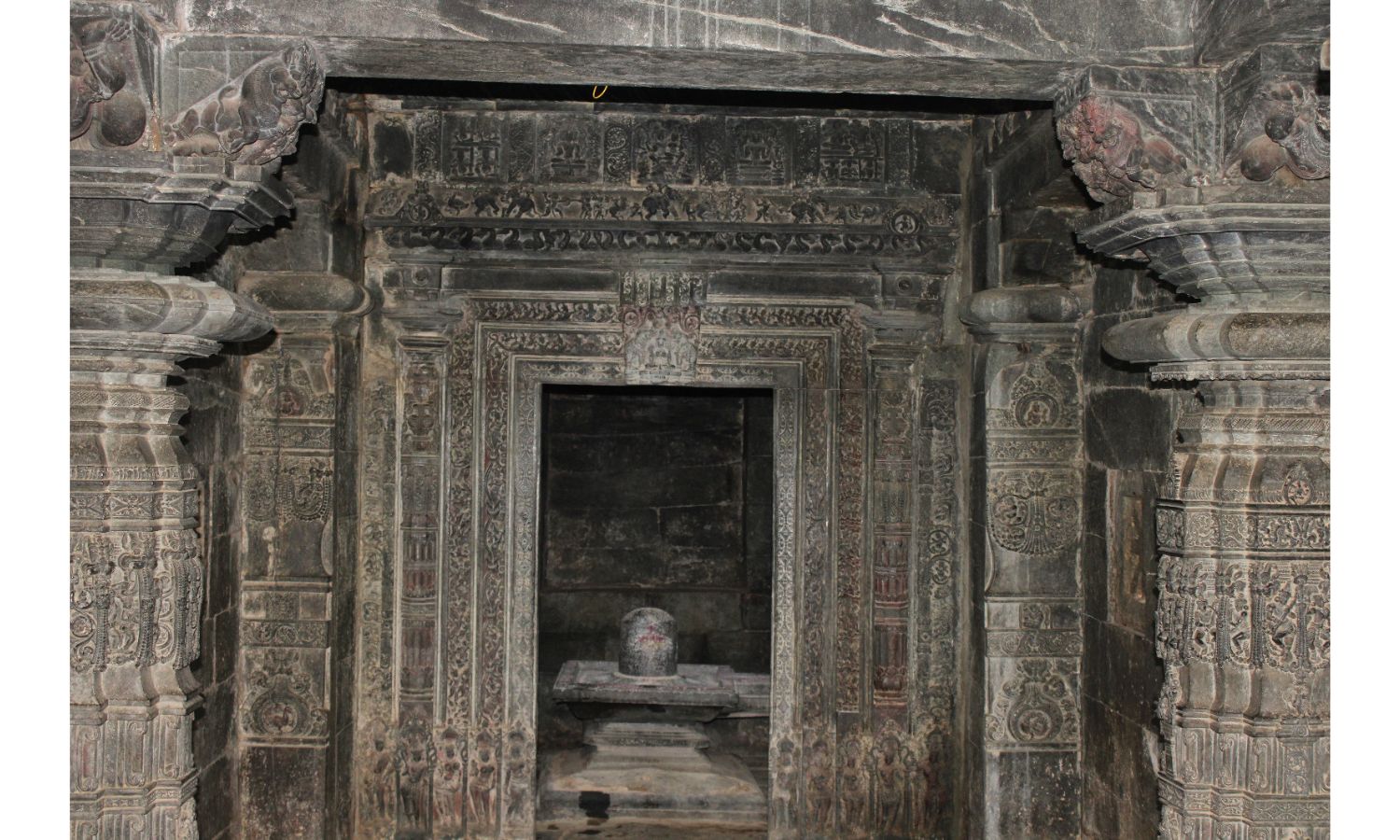
In a small village called Lakkundi in Karnataka, India, archaeologists are digging up the ground to find old treasures.
They started on January 16, 2025, and have already found some cool things like carvings, bones, and pottery.
The village is very old and was once a big town with lots of temples and wells.
People used to live there a long, long time ago, even before the time of kings and queens.
The archaeologists are careful and are digging up to 10 meters deep.
They want to learn more about the history of Lakkundi and maybe even get it recognized as a special place by UNESCO.
Some villagers also found a pot of gold ornaments, but that was a separate thing and not related to the excavation.
Everyone is excited to see what else they might find!

Archaeologists began excavating in Lakkundi on January 16, 2025, uncovering artefacts like snake carvings, bones, and pottery fragments.
Lakkundi is known for its Kalyani Chalukyan architecture, which influenced later Hoysala and Vijayanagara styles.
The village was once a bustling town with over 100 temples and wells, now reduced to a few surviving structures.
Historical evidence suggests human habitation in Lakkundi dates back nearly 3,000 years, with artefacts from the Neolithic-Chalcolithic age.
Lakkundi was an important minting centre during the Kalyani Chalukya period, producing coins known as 'Lokki ponna' and 'Lokki gadyana'.
- Who
- Archaeologists, historians, and villagers of Lakkundi
- What
- Excavation and discovery of ancient artefacts and architecture
- Where
- Lakkundi, Karnataka, India
- When
- Excavation began on January 16, 2025
- Why
- To uncover layers of history and preserve the heritage of Lakkundi
Key facts
- Location
- Lakkundi, Karnataka, India
- Excavation Start Date
- January 16, 2025
- Excavation Depth
- Up to 10 meters
- Historical Periods
- Neolithic, Chalcolithic, Shatavahana, Rashtrakuta, Kalyani Chalukya, Kalachuri, Vijayanagara
- Architectural Styles
- Kalyani Chalukyan, Jain, Vaishnava, Shaiva, Shakta
- Notable Discoveries
- Snake carvings, bones, pottery fragments, Jain carvings, Neolithic-Chalcolithic artefacts
- UNESCO Heritage Status
- Proposed
Quotes
RM Shadaksharaiah
Retired Professor of History and Archaeology at Karnatak University, Dharwad
“She contributed significantly to the development of Jainism. She built Basadis and supported religious writings. With the help of Mahajanas, she constructed the Brahma Jinalaya and renovated Jain temples. She also reconstructed the Jinalaya when it was damaged by fire. The town had 24 Tirthankara idols.”
 deccanchronicle.com
“There is Jain architecture and also Vaishnava, Shaiva and Shakta architecture. There are example of Dwikuta. There is architectural diversity. There are beautiful carvings from the Ramayana and the Mahabharata and also depictions of Kalamukha Yati Samavesha. In short, Lakkundi is a temple hub.”
deccanchronicle.com
Siddu Patil and RM Shadaksharaiah
Authority member of the Lakkundi Heritage Area Development Authority and Retired Professor of History and Archaeology at Karnatak University, Dharwad
“There were many antique objects lying in wells, houses, gutters and open grounds. HK Patil formed 10 teams, each led by a senior officer or a leader. On March 24, 2024, the teams conducted a survey and more than 1,100 antiques were collected in a single day.”
deccanchronicle.com
“In 2017, when he was minister, he ensured the formation of the Lakkundi Heritage Area Development Authority (LHADA). On September 7, 2023, the office of this authority began functioning in the Gadag district administration building.”
deccanchronicle.com
Prof T Murugeshi
Historian and professor
“This place tops in Kalyani Chalukyan architecture. These temples are very beautiful. Chalukyan architecture was the base for Hoysala architecture (seen in Belur and Halebid) and later Vijayanagara architecture (seen at Hampi).”
deccanchronicle.com
“The most important thing about Lakkundi is the art and architecture. In Karnataka, this is a classic example of Chalukyan architecture.”
deccanchronicle.com
Sources
Related news
Karnataka Drought List Triggers Protests Across Excluded North Karnataka Areas
From Cholas to British, governing India tied to temple religion

Karnataka Tourism plans 'Clean and Green Hampi' conservation campaign
Tungabhadra Canals Get Water for 90 Days Amid Tight Storage