2 months ago
Noida Airport Uses Low-Carbon Cement for Runway
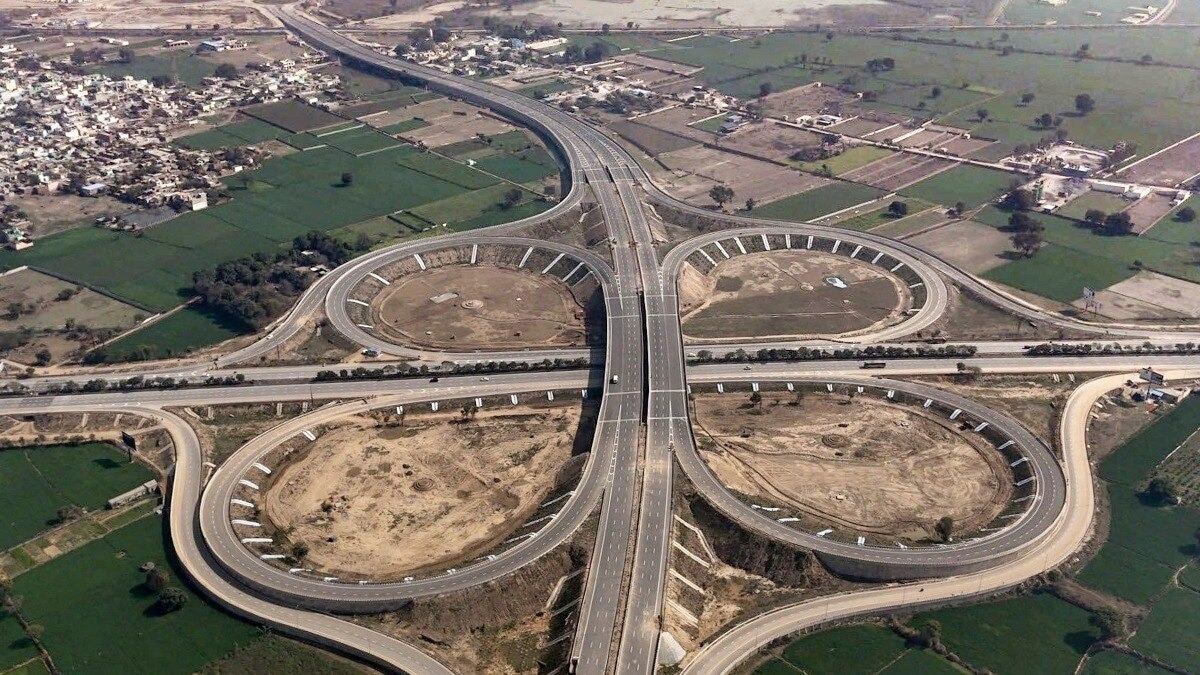
The Noida International Airport in India has become the first large-scale project to use a special kind of cement called LC3.
This cement was developed by scientists Karen Scrivener and Fernando Martirena.
LC3 is made from materials like clay and limestone, which are easy to find and cost less to produce.
It also releases much less carbon dioxide into the air compared to regular cement.
This makes it a great choice for building things in a way that's better for the environment.
The airport's runway and one building complex were built using LC3, showing that big projects can use this eco-friendly cement.
Scientists and experts believe that using LC3 can help countries meet their goals for a greener future.
India, with its fast-growing infrastructure and plenty of limestone and clay, is seen as a perfect place to use this technology.

Noida International Airport is the first large-scale project in India to use LC3 cement.
LC3 cement reduces CO2 emissions by up to 40% compared to traditional cement.
The airport's runway and one building complex were constructed using LC3.
LC3 is nearly 25% cheaper to produce and uses widely available materials.
The technology was developed by Swiss scientist Karen Scrivener and Cuban professor Fernando Martirena.
- Who
- Karen Scrivener, Fernando Martirena, Noida International Airport officials
- What
- Use of Limestone Calcined Clay Cement (LC3) in the Noida International Airport runway and building complex
- Where
- Noida International Airport, Jewar, India
- When
- Inaugurated in March 2024, with research starting in 2005 and commercial deployment in 2020
- Why
- To reduce carbon emissions in the construction industry and promote sustainable infrastructure development
Environmental Benefits
Cost and Adoption Challenges
Environmental Impact
Environmental Benefits
LC3 cement reduces CO2 emissions by up to 40% compared to traditional cement, making it a significant step towards sustainability in the construction industry.
Cost and Adoption Challenges
While LC3 is more environmentally friendly, its widespread adoption may face challenges due to initial costs and industry resistance to change.
Cost Efficiency
Environmental Benefits
LC3 is nearly 25% cheaper to produce, offering both environmental and economic benefits.
Cost and Adoption Challenges
The initial investment and transition costs for cement manufacturers to adopt LC3 could be a barrier, despite long-term savings.
Key facts
- Developed By
- Karen Scrivener and Fernando Martirena
- First Large-Scale Use
- Noida International Airport, India
- Emissions Reduction
- Up to 40%
- Cost Reduction
- Nearly 25%
- Materials Used
- Portland clinker, calcined clay, limestone
- Research Support
- Swiss National Science Foundation, Swiss Agency of Development and Cooperation
- Commercial Deployment
- 2020
Quotes

Karen Scrivener
Professor at EPFL and lead researcher on LC3
“"It is definitely an achievement I am proud of."”
 businesstoday.in
Sources
Related news
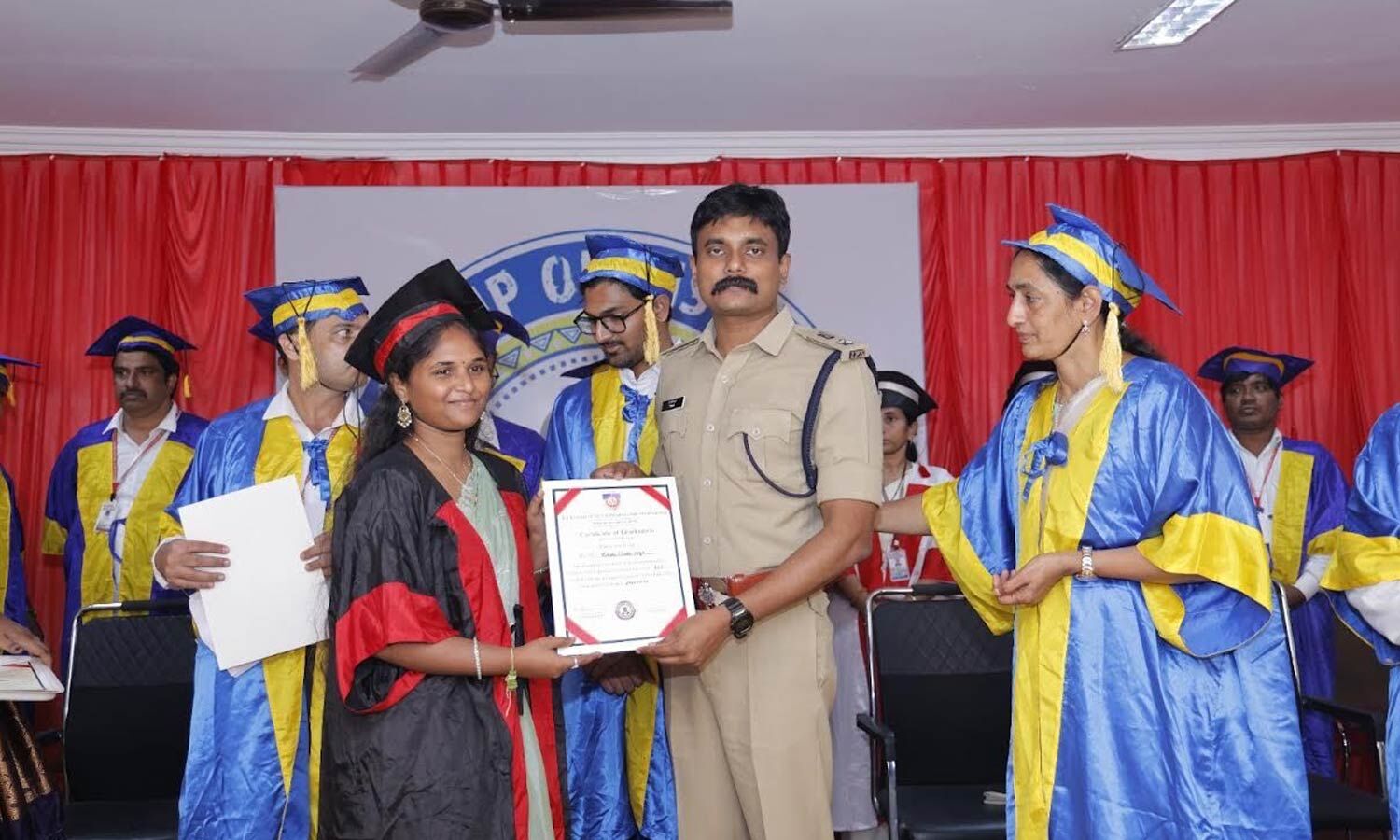
KLR College celebrates Graduation Day 2026 on Engineers’ Day

Nvidia’s RTX Spark AI PCs From Lenovo, Acer Launch October

KMAT 2026 Admit Card Expected Before September Examination
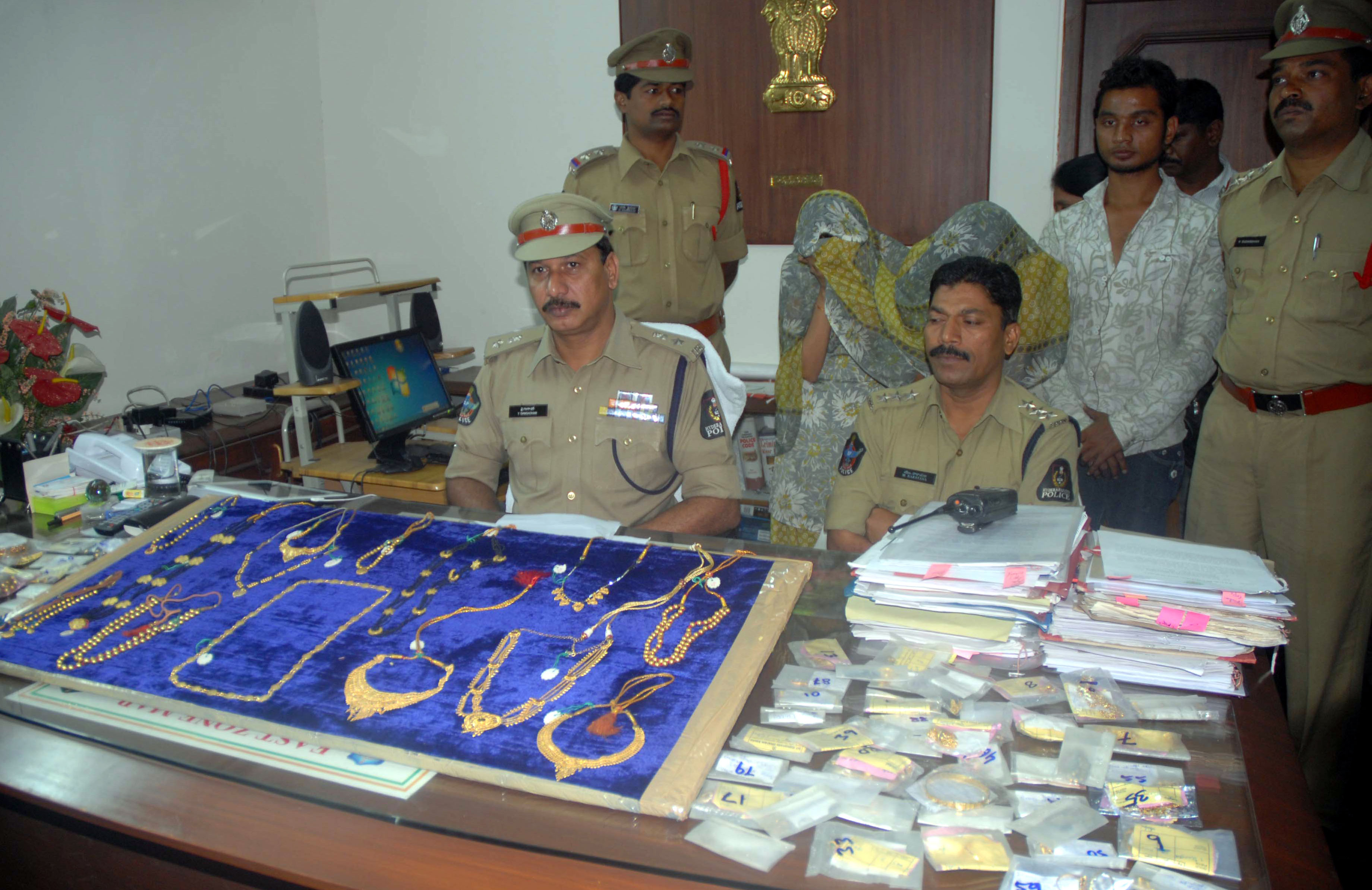
Kodad Police Arrest Notorious Thief, Recover ₹63 Lakh Stolen Valuables

Police Arrest Interstate Burglary Gang, Recover ₹90 Lakh Valuables

Duane Davis Found Guilty in Tupac Shakur Murder Case
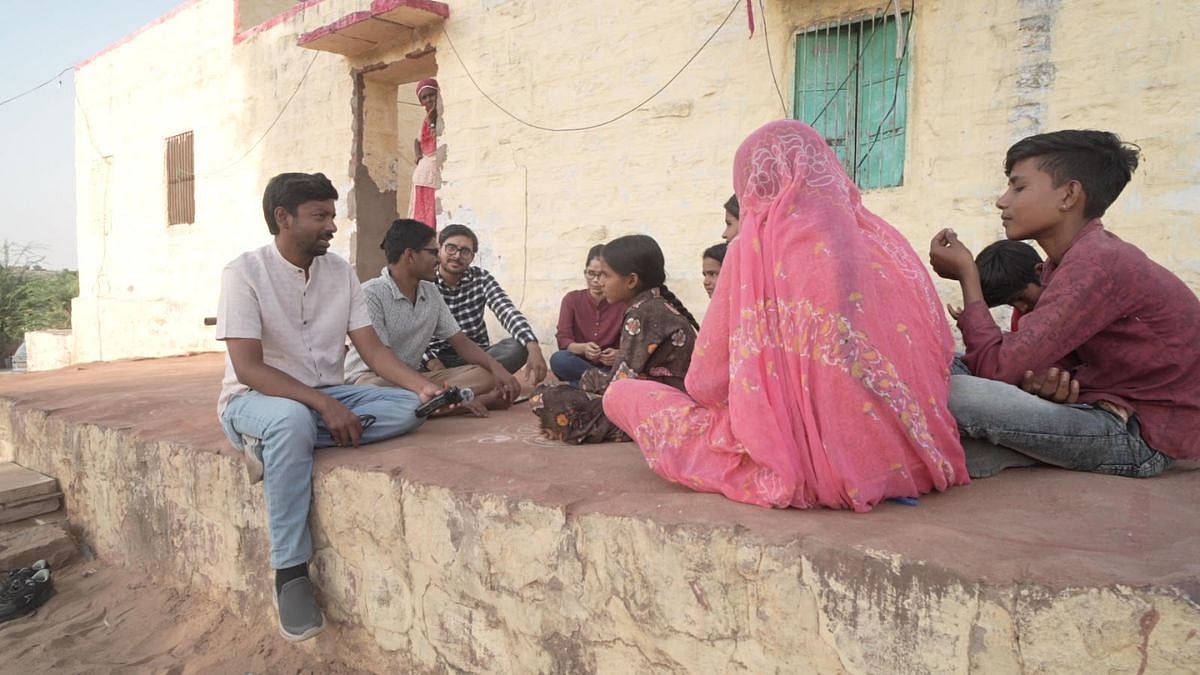
Nearly 44% of World’s Languages Face Extinction, Threatening Cultural Knowledge

Bihar Welcomes Swiss-Indian Proposal to Expand Social Science Research