2 hrs ago
Trump’s Taiwan Arms Delay Raises Questions About US-China Strategy
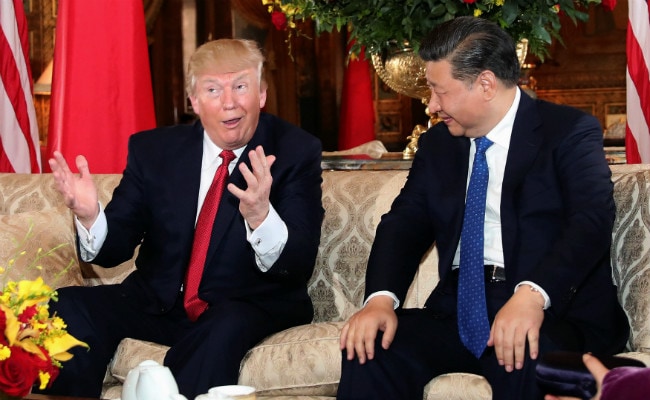
The United States is considering whether to approve a large package of defensive weapons for Taiwan.
The package includes missiles, air-defense systems, and equipment to stop drones.
Donald Trump said the weapons could be used as leverage in talks with China.
This means the decision may depend partly on what happens in US-China negotiations.
The United States says it has not offered to sell weapons to China.
A US ambassador gave a different impression, but the White House and State Department rejected that account.
Supporters of the delay may see it as a way to gain influence over China.
Critics worry it could make Taiwan and other US partners doubt American promises.
The article says the long-term significance depends on whether the delay is temporary or becomes an ongoing condition.

The Trump administration has reportedly held a roughly $14 billion Taiwan arms package in abeyance.
Donald Trump described the package as a negotiating chip whose fate depends on China.
The proposed weapons include air-defense systems, missiles, and counter-drone capabilities.
A disputed account suggested Trump asked Xi Jinping whether China wanted to buy US weapons, but officials denied any actual offer.
The delay has raised concerns among US allies about whether security commitments are becoming conditional on negotiations with China.
- Who
- The Trump administration, Taiwan, China, and US allies including Japan, Australia, the Philippines, and South Korea.
- What
- A roughly $14 billion package of US weapons for Taiwan has reportedly been held in abeyance, while a separate claim about possible US arms sales to China was disputed and denied.
- Where
- The policy concerns Taiwan and the wider Indo-Pacific, with related US-China discussions involving Beijing and Washington.
- When
- Congress advanced the Taiwan package in 2026; Donald Trump discussed its status after a May summit with Xi Jinping in Beijing.
- Why
- The administration has cited negotiating leverage with China and pressure on US munitions stocks, including demands linked to military operations involving Iran.
Transactional leverage
Strategic consistency
Purpose of delaying the weapons package
Transactional leverage
The delay can give the United States leverage in negotiations with China and may be presented as pragmatic statecraft.
Strategic consistency
Making Taiwan’s defensive support conditional on talks with China could weaken deterrence and create uncertainty for US partners.
Meaning of the arms-sales dispute
Transactional leverage
The disputed remarks may have referred to Taiwan or a hypothetical discussion rather than an actual plan to arm China.
Strategic consistency
Even a quickly denied suggestion that China could receive US weapons may confuse allies and adversaries about US policy.
Impact on alliances
Transactional leverage
The United States has not abandoned arms transfers to Taiwan, as shown by the earlier approval of a roughly $11 billion package.
Strategic consistency
Repeated delays or conditions could encourage Japan, Australia, and other partners to hedge or expand their own defense capabilities.
Key facts
- Taiwan package
- Approximately $14 billion in proposed arms, primarily air-defense systems, missiles, and counter-drone capabilities.
- Current status
- The package has reportedly been kept in abeyance and has not received final approval from Donald Trump.
- Stated leverage
- Donald Trump called the package a negotiating chip and said its fate depends on China.
- Earlier approval
- A separate package worth roughly $11 billion was approved in late 2025.
- Legal position
- The White House and State Department said US law prohibits arms sales to China.
- Disputed account
- Ambassador David Perdue said Donald Trump had asked Xi Jinping whether China wanted to buy US weapons; officials disputed that characterization.
- Strategic concern
- The delay could affect Taiwan’s defense planning and raise questions about the reliability of US security commitments.
Sources
Related news

Allies Fear Trump Could Soften Taiwan Stance Before Xi Summit
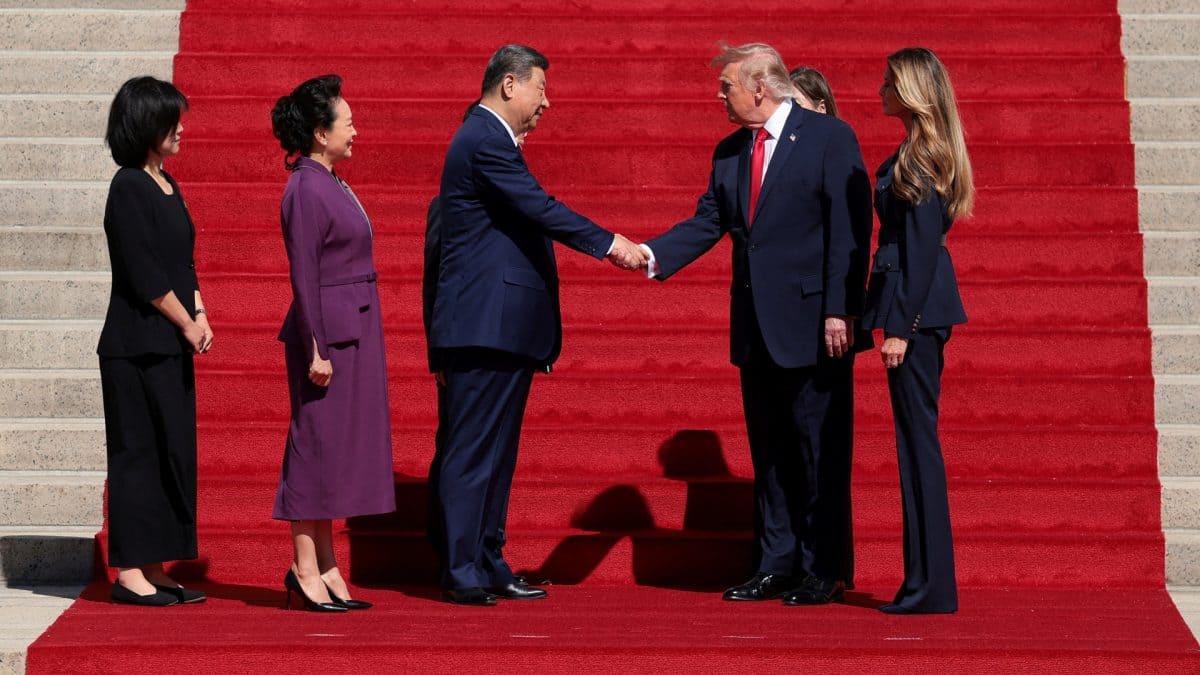
Trump Asked Xi About Buying U.S. Weapons Amid Taiwan Tensions
Taiwan Urges Trump to Deliver Delayed $14 Billion Arms Package
Taiwan Thanks US Ahead of Trump-Xi Arms Summit
Xi Expected to Press Trump Over Taiwan Arms Sales
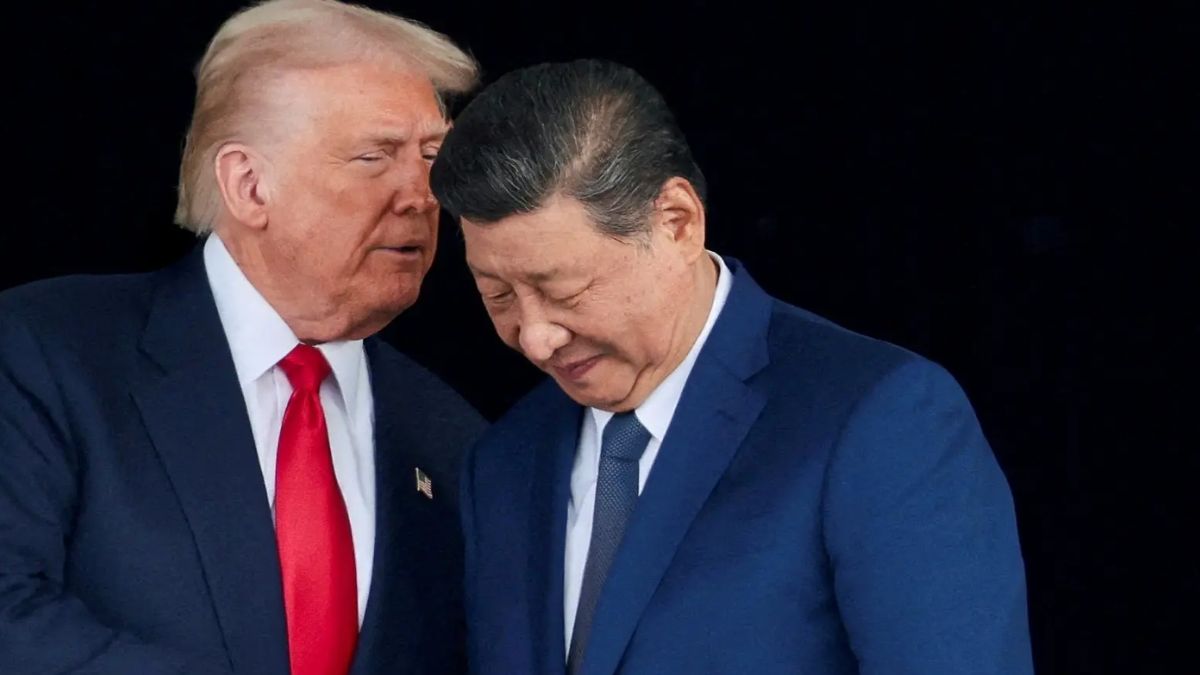
Trump-Xi Summit Tests Taiwan Arms Deal and US-China Stability

Australian Almonds Offer Simple Options for Everyday Snacking

Anthropic Warns IPO Investors of Unpredictable AI Agent Legal Risks

Jay Gupta Sees Brazil Friendlies Sparking Indian Football Revolution

Congress MP Seeks Global Support Over Proposed FCRA Bill