

2 weeks ago
Germany approves controversial spy law lifting post-war curbs

A long time ago, after a big war, Germany made strict rules to stop its secret spy groups from doing too much.
Now the German government wants to change those old rules.
Leaders say Germany needs stronger spies to stay safe and catch people who want to hurt others.
They decided this after two scary events in just one month.
A car crashed into people at a big parade in Berlin.
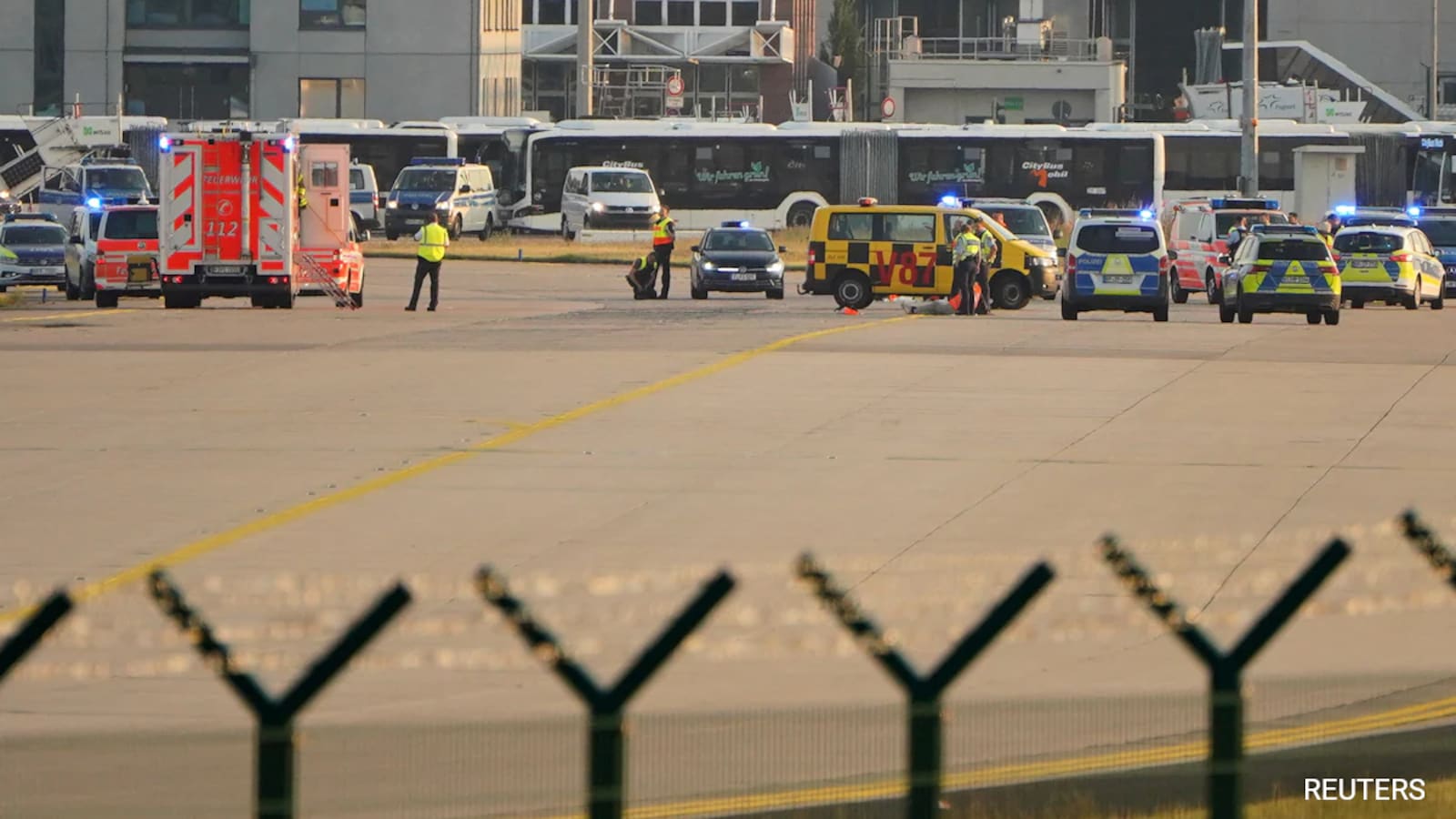
A drone carrying a bomb was found near a cargo plane at an airport in Leipzig.
The new law would let spies attack computers to change or delete secret information.
They could even change instructions for making weapons so the weapons would not work properly.
Spies still cannot hurt people, but they may carry weapons to protect themselves.

Germany's cabinet approved a draft law that lifts many post-war restrictions on the country's spy agencies.
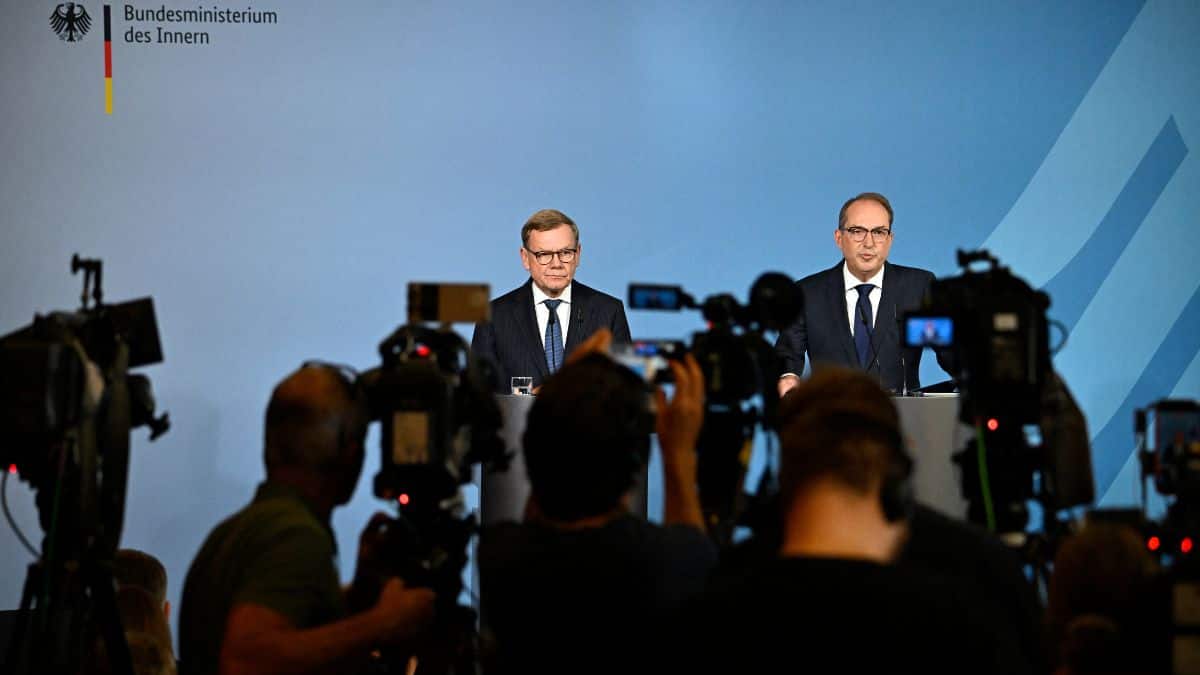
Interior Minister Alexander Dobrindt called the change a security 'revolution' that turns intelligence services into 'genuine secret services.'
The reform follows a deadly car ramming at Berlin's Pride parade in late July and the discovery of an explosives-laden drone near a Ukrainian cargo plane at Leipzig airport.
The 700-page draft law would give the BND 'hack-back' cyber powers, including manipulating or deleting data and altering weapon-building instructions.
The bill still needs parliamentary approval, may face court challenges, and the government hopes it takes effect by 1 January 2027.
- Who
- Germany's government, including Interior Minister Alexander Dobrindt, Chancellor Friedrich Merz, and BND chief Martin Jäger.
- What
- Approved a controversial draft law that lifts post-war curbs on spy agencies and grants new powers, including 'hack-back' cyber-attacks.
- Where
- Germany — with cited incidents at Berlin's Pride parade and Leipzig airport.
- When
- The cabinet approved the draft law on Friday, weeks after a late July car ramming and the recent discovery of an explosives-laden drone; the government hopes it takes effect by 1 January 2027.
- Why
- To close security gaps exposed by two attacks within a month and to counter threats from state actors such as Russia and China.
Proponents (government and intelligence services)
Critics
Expanding spy powers
Proponents (government and intelligence services)
Germany needs operational powers and active capabilities to tackle modern state terrorism and extremism and to be on equal footing with partner services worldwide.
Critics
The law is controversial, lifts post-war curbs on intelligence agencies, and critics could mount court challenges against it.
Offensive cyber powers ('hack-back')
Proponents (government and intelligence services)
The BND needs offensive capabilities such as hack-back cyber-attacks and altering weapons instructions so adversaries see Germany can 'do similar things.'
Critics
The far-reaching powers granted in the 700-page draft and the loosening of data-protection rules make the legislation controversial and open to legal challenges.
Key facts
- Country
- Germany
- Cabinet action
- Approved a controversial draft law lifting post-war curbs on spy agencies
- Interior Minister
- Alexander Dobrindt
- Intelligence service
- BND (federal foreign intelligence service), 70 years old, led by Martin Jäger
- Key new powers
- 'Hack-back' cyber-attacks, manipulating or deleting data, altering weapon-building instructions
- Target start date
- 1 January 2027
- Draft law size
- 700 pages
- Triggering incidents
- Car ramming at Berlin's Pride parade (late July); explosives-laden drone at Leipzig airport (last week)
Quotes

Alexander Dobrindt
Interior Minister of Germany
“We are turning our intelligence services into genuine secret services, and it is high time we positioned ourselves to be competitive and on an equal footing with our partner services around the world. This requires operational capabilities and active powers to tackle modern state terrorism and extremist groups more effectively.”
 firstpost.com
Sources
Related news

German minister warns of daily hybrid warfare after drone attack
German spy agency launches helpline for exiles facing repression

Foreign Espionage Attacks on German Companies Rise Sharply
Germany Accuses Russia in Leipzig Drone Attack, Orders Retaliation
Germany Blames Russia for Explosive Drone Attack Attempt
Germany to announce suspected drone attack culprit at Leipzig/Halle airport

Germany Blames Russia for Leipzig Drone Attack, Europe Vows Response

Study Links Popular Sweetener Xylitol to Cardiovascular Risk

14th-Century Skeleton May Reveal First Confirmed Trebuchet Victim

Chinese Humanoid Robots Sprint Beyond Human World Records