

12 hrs ago
Study Links Popular Sweetener Xylitol to Cardiovascular Risk
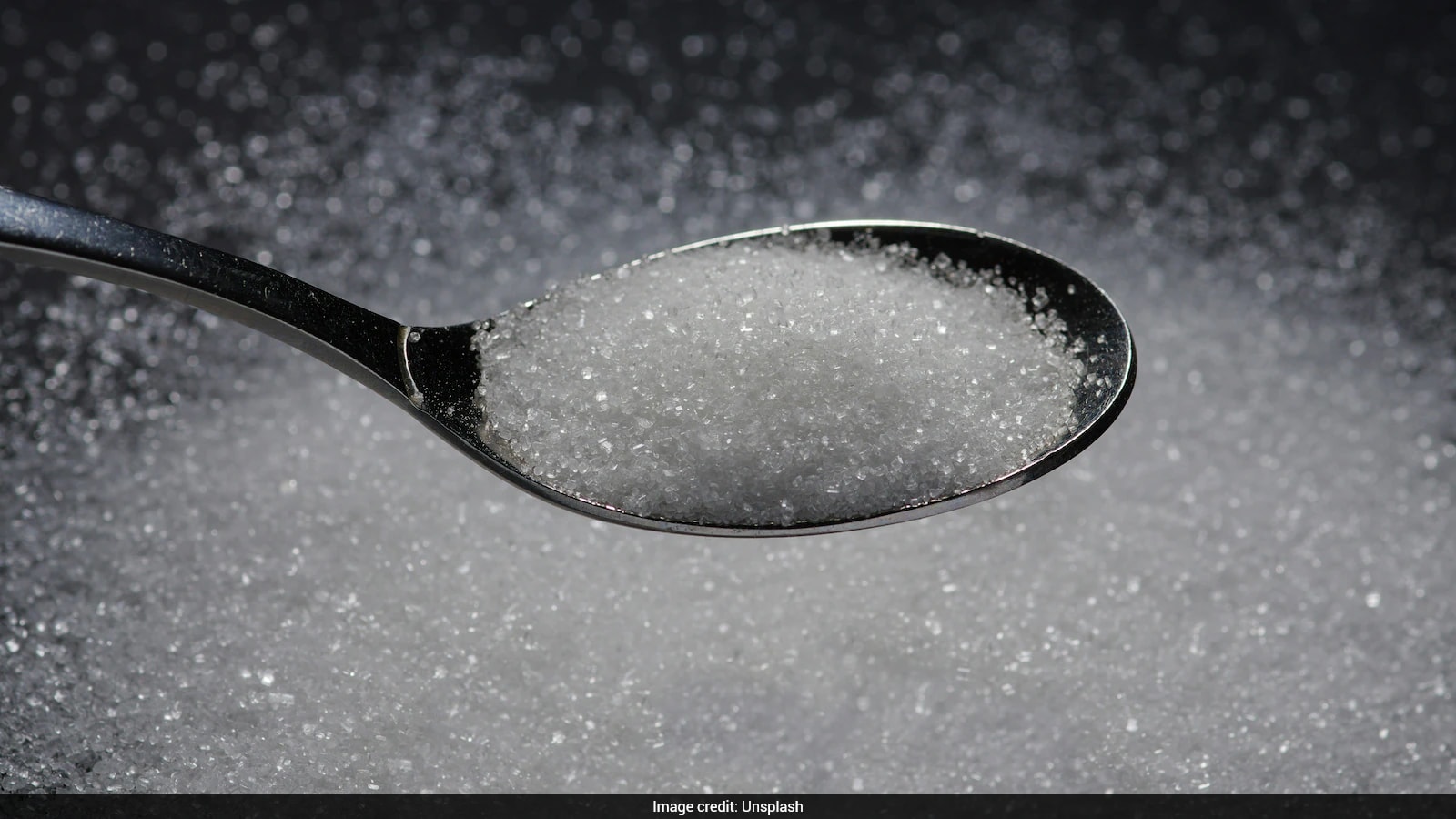
Xylitol is a sweetener used in many sugar-free products.
It tastes like sugar but has fewer calories and does not raise blood sugar as much.
A new study looked at people’s xylitol levels and their heart health.
The researchers found a link between higher xylitol levels and serious problems such as heart attacks and strokes.
They also found that xylitol may make blood platelets form clots more easily.
Blood clots can block blood flow to the heart or brain.
However, the study cannot prove that xylitol directly caused these medical problems.
The researchers said more studies are needed to understand its long-term safety.

Researchers linked xylitol levels with serious cardiovascular events, including heart attacks and strokes.
The study suggests xylitol may make blood platelets clot more easily.
Researchers analyzed 17,710 participants from two prospective observational cohorts.
Xylitol is used in sugar-free gum, mints, baked goods, and toothpaste.
Scientists emphasized that the findings show correlation, not definitive proof that xylitol causes heart attacks.
- Who
- Researchers led by Doctor Marco Witkowski at Charite University Hospital studied 17,710 participants.
- What
- The study examined whether xylitol is associated with cardiovascular events and increased platelet clotting.
- Where
- The congress was held in Germany; the study included data from Canadian and European cohorts.
- When
- The research was presented at the ESC Cardiology Congress in Germany this week.
- Why
- Researchers said the long-term cardiovascular safety of xylitol has not been widely studied as its use in consumer products grows.
Study Warning
Evidence Limitations
Meaning of the findings
Study Warning
Researchers found that higher blood xylitol levels were associated with cardiovascular events and may promote platelet clotting.
Evidence Limitations
The research was observational and shows correlation rather than definitive proof that xylitol directly causes heart attacks or strokes.
Need for further research
Study Warning
Researchers said the findings raise concerns about the cardiovascular safety of xylitol as its use increases.
Evidence Limitations
The researchers also said further studies are needed because the long-term cardiovascular effects remain insufficiently understood.
Key facts
- Sweetener studied
- Xylitol
- Participants
- 17,710 people
- Study sources
- The Canadian Longitudinal Study on Aging and EPIC-Norfolk
- Potential mechanism
- Xylitol may enhance the ability of blood platelets to form clots.
- Products containing xylitol
- Sugar-free gums, mints, baked goods, and toothpaste
- Calorie comparison
- Xylitol has about 40% fewer calories than sugar.
- Evidence limitation
- The findings show a strong correlation but do not definitively prove that xylitol causes heart attacks.
Quotes
Doctor Marco Witkowski
Presenter from Charite University Hospital in Berlin, Germany
“In previous studies, we showed that xylitol can enhance the ability of platelets to form clots. We also found that high blood levels of xylitol were linked to cardiovascular events in high-risk individuals over a 3-year period. Here we studied if xylitol increases cardiovascular events in a larger sample of the general population over much longer follow-up.”
 NDTV
NDTV
Sources
Related news

Shingrix Linked to Lower Heart Attack and Stroke Risk

Study Links Regular Stair Climbing With Lower Heart Risk

New Study Links Statins to 15% Lower Dementia Risk

Cardiologist shares five habits she never ignores for heart health

Cardiologist Says Sleep, Exercise And Habits Outweigh Supplements

Germany Blames Russia for Leipzig Drone Attack, Europe Vows Response

Germany Accuses Russia in Leipzig Drone Attack, Orders Retaliation

14th-Century Skeleton May Reveal First Confirmed Trebuchet Victim

Chinese Humanoid Robots Sprint Beyond Human World Records
