

4 days ago
Madras High Court Protects Daughter’s Share After Widow’s Remarriage
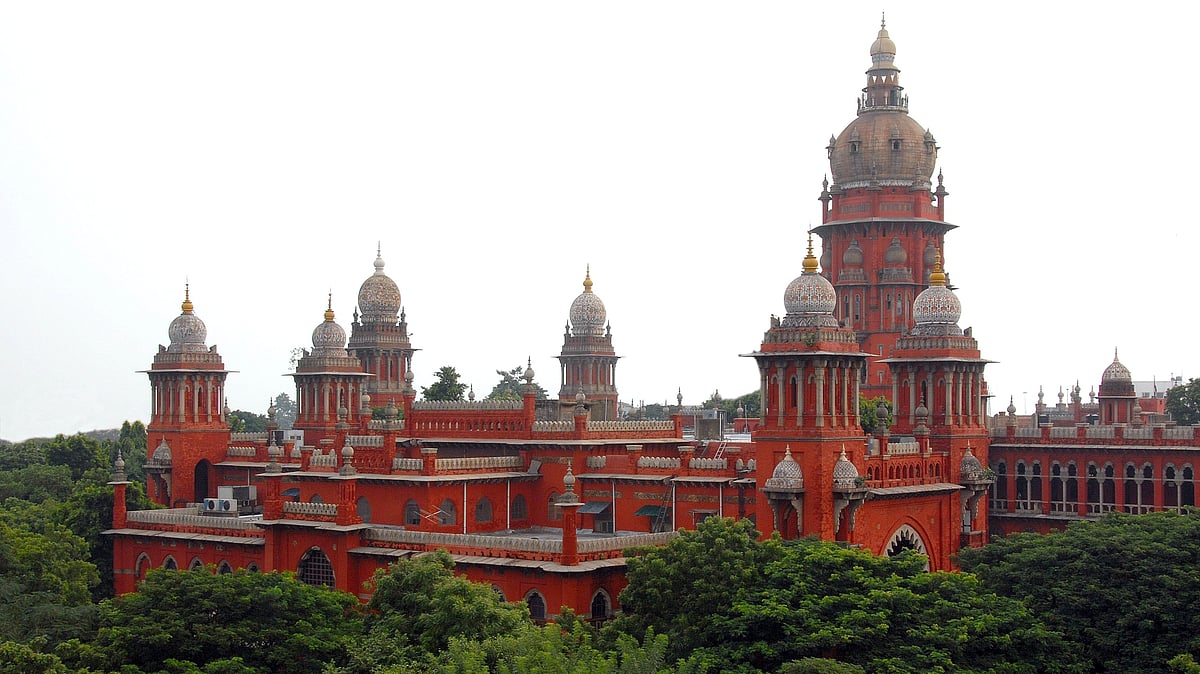
A court considered what happens to family property when a widow remarries.
The old law could stop a remarried widow from inheriting in some situations.
The court said this rule applied only to the widow herself.
It did not erase the property rights of her husband’s children.
Venkatesan’s widow remarried and did not ask for a share of his property.
Their only daughter was therefore allowed to inherit his entire share.
The daughter later dealt with parts of the property.
A relative challenged her right to do so, but the court rejected the challenge.
The court said the property did not return to the other family members simply because the widow remarried.

The Madras High Court ruled that a widow’s remarriage cannot remove her deceased husband’s daughter’s inheritance rights.
It held that the former Section 24 disqualification under the Hindu Succession Act applied only to the remarried widow.
The deceased husband’s coparcenary interest remained available to other Class I heirs, including children and parents.
Venkatesan’s only daughter inherited his entire share after his widow remarried and did not claim the estate.
Justice P. B. Balaji dismissed a relative’s revision petition challenging the daughter’s inheritance and property transactions.
- Who
- The Madras High Court, Justice P. B. Balaji, Venkatesan’s widow and daughter, and a relative who challenged the inheritance.
- What
- The court held that the widow’s remarriage did not deprive Venkatesan’s daughter of his share in joint family property.
- Where
- The Madras High Court.
- When
- The order was passed on August 25; the year is not specified in the article.
- Why
- The court interpreted the former Section 24 of the Hindu Succession Act as disqualifying only the remarried widow, not other Class I heirs.
Relative’s Challenge
High Court’s Ruling
Effect of the Widow’s Remarriage
Relative’s Challenge
The relative argued that the widow’s remarriage caused her inheritance rights to be forfeited and that Venkatesan’s share should revert to the other coparceners.
High Court’s Ruling
The court held that the disqualification applied only to the widow and did not extinguish Venkatesan’s coparcenary interest or his daughter’s independent inheritance rights.
Daughter’s Property Rights
Relative’s Challenge
The relative disputed the daughter’s right to inherit and deal with the property after the widow’s remarriage.
High Court’s Ruling
The court held that the daughter, as the only Class I legal heir, inherited Venkatesan’s entire coparcenary interest and could create third-party interests in the property.
Key facts
- Court
- Madras High Court
- Judge
- Justice P. B. Balaji
- Relevant law
- Section 24 of the Hindu Succession Act, 1956, as it existed before its repeal in 2005
- Deceased coparcener
- Venkatesan
- Beneficiary
- Venkatesan’s only daughter, a Class I legal heir
- Widow’s position
- She remarried after Venkatesan’s death and did not claim a share in his estate
- Outcome
- The revision petition was dismissed, and the daughter’s inheritance was upheld
Quotes
Justice PB Balaji
Madras High Court judge who delivered the ruling
“The present case being the only the class 1 legal heirs, the 5th respondent, daughter of Venkatesan has inherited his entire coparcenary interest on his demise and as already pointed out she has already dealt with the property and third-party interest has flown.”
 freepressjournal.in
“The widow, as already discussed is not claiming any entitlement in the present case. The embargo is only on the widow and not on other legal heirs to succeed to the estate of the pre-deceased son.”
freepressjournal.in
Sources
Related news

High Court: widow's adopted child can inherit deceased husband's property
Haryana Clarifies Stamp Duty Exemption for Daughters’ Children
Patna High Court Reconsiders Family Pension Claim of Second Wife
Telangana High Court Restores Wife’s ₹20,000 Interim Maintenance

Madras High Court Grants Divorce After 26-Year Separation
