1 week ago
Telangana High Court Restores Wife’s ₹20,000 Interim Maintenance
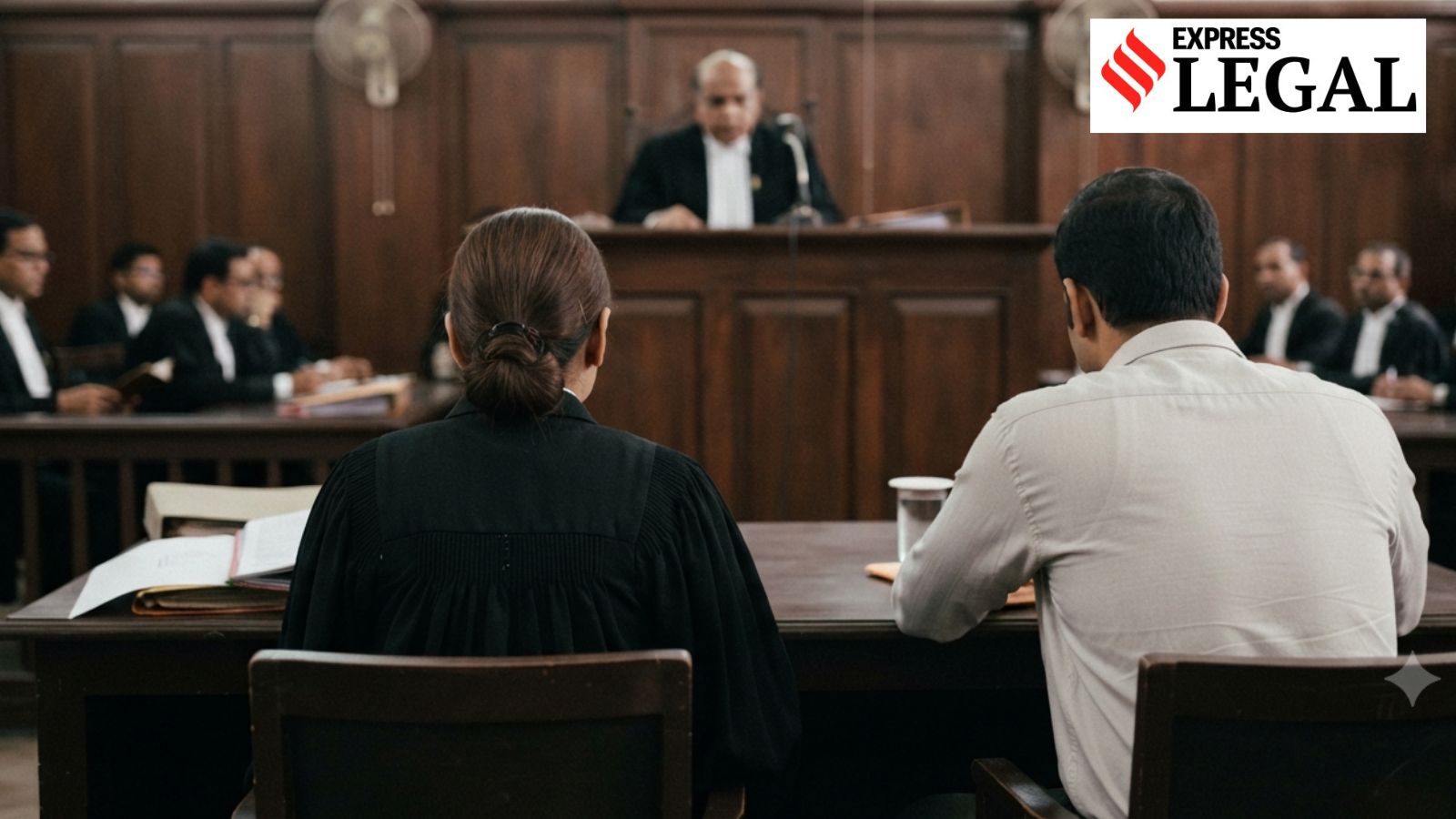
A court had to decide whether a wife should receive money while her marriage case continues.
The wife is a lawyer who works independently, rather than receiving a regular salary.
She said her legal income changes depending on the cases she gets and the costs of running her practice.
The High Court said being allowed to practise law does not prove that someone earns enough money.
Judges must examine the income a person actually receives.
The Court said an earlier decision had not properly examined the wife’s income or the husband’s financial situation.
It also said that decision had gone beyond the limits of a reviewing court.
The High Court cancelled the earlier decision and restored the Family Court’s original maintenance order.
That order provides ₹20,000 a month for the wife and ₹15,000 each for their two daughters until the matrimonial case is decided.

The Telangana High Court restored the wife’s ₹20,000 monthly interim maintenance awarded in 2013.
The Court said Bar enrolment and independent legal practice do not prove sufficient actual income.
It held that maintenance decisions must assess income actually available, not merely earning capacity.
The matrimonial dispute has been pending before the I Additional Family Court, Hyderabad, since 2010.
The husband must disclose payment details and assets, and pay any determined arrears under the restored order.
- Who
- The Telangana High Court, the wife, her husband and their two daughters are involved.
- What
- The High Court reviewed and set aside its October 2024 decision, restoring the Family Court’s 2013 interim maintenance order.
- Where
- The case concerns the I Additional Family Court, Hyderabad, and the Telangana High Court.
- When
- The matrimonial dispute has been pending since 2010; the common review order was dated July 24, 2026.
- Why
- The Court found that the earlier decision inferred sufficient income from the wife’s professional status without assessing her actual income or the husband’s means.
Wife’s position
Husband’s challenge
Whether legal practice proves sufficient income
Wife’s position
The wife argued that she had never been employed and that her independent legal receipts were irregular, variable and not shown by evidence to be sufficient for her support.
Husband’s challenge
The husband challenged the Family Court’s maintenance order; the October 2024 High Court decision removed the wife’s maintenance while retaining payments for the daughters.
How maintenance should be assessed
Wife’s position
The wife sought restoration under Section 24, arguing that her professional status should not replace an examination of her actual income.
Husband’s challenge
The earlier decision treated the wife as earning based on her professional position, but the reviewing Court found no specific evidence-based finding establishing her actual income or its sufficiency.
Scope of revisional review
Wife’s position
The wife’s successful review argued that the earlier order had reassessed her earning capacity without applying the required legal framework.
Husband’s challenge
The husband’s revision had challenged the Family Court’s order, but the High Court held that a revisional court cannot reappreciate material merely because another view is possible.
Key facts
- Wife’s monthly maintenance
- ₹20,000
- Each daughter’s monthly maintenance
- ₹15,000
- Matrimonial dispute pending since
- 2010
- Family Court order
- June 27, 2013
- Earlier High Court order
- October 15, 2024
- Legal provision
- Section 24 of the Hindu Marriage Act, 1955
- Payment and disclosure directions
- The husband must file maintenance calculations and an affidavit disclosing assets and liabilities within four weeks; determined arrears must be paid within eight weeks.
Quotes

Telangana High Court
The High Court ruling delivered by Justice Vakiti Ramakrishna Reddy
“The receipts of an advocate in independent practice are none of these: they are irregular, they vary from year to year, they depend on the briefs that come, and they are subject to the expenses of running a practice. Enrolment at the Bar establishes a qualification and a right to appear. It establishes nothing about income, and still less about income sufficient for the applicant’s support.”
 livemint.com
 indianexpress.com
“The petitioner is not, and has not been shown to be, in employment. She is a member of the Bar in independent professional practice. The difference between employment and independent practice is not merely one of name. A person in employment draws a salary which is fixed, regular and capable of proof by a single document.”
indianexpress.com
Sources

Related news
Uttarakhand High Court hikes wife's maintenance, loans no excuse

Delhi HC cuts wife's maintenance from ₹30,000 to ₹25,000
Madhya Pradesh High Court Revives Wife’s Interim Maintenance Claim
Uttarakhand High Court Raises Maintenance, Rejects Voluntary Savings Argument

Wife Can’t Be a Beggar: Himachal Court Upholds Divorcee Maintenance

Allahabad High Court upholds Rs 20,000 monthly maintenance to wife

Supreme Court Questions IPS Deputation for CAPF Leadership Positions

Supreme Court Quashes 20-Year Conviction, Reaffirms Juvenile Legal Protections
Two Years After RG Kar Doctor's Rape-Murder, Case Remains Unresolved

ED widens Chhattisgarh probes with two arrests and searches

Delhi High Court Orders Madhya Pradesh to Pay Advocate Dues