1 day ago
Vivek Ramaswamy Pitches Tax Cuts and Medicaid Fraud Crackdown
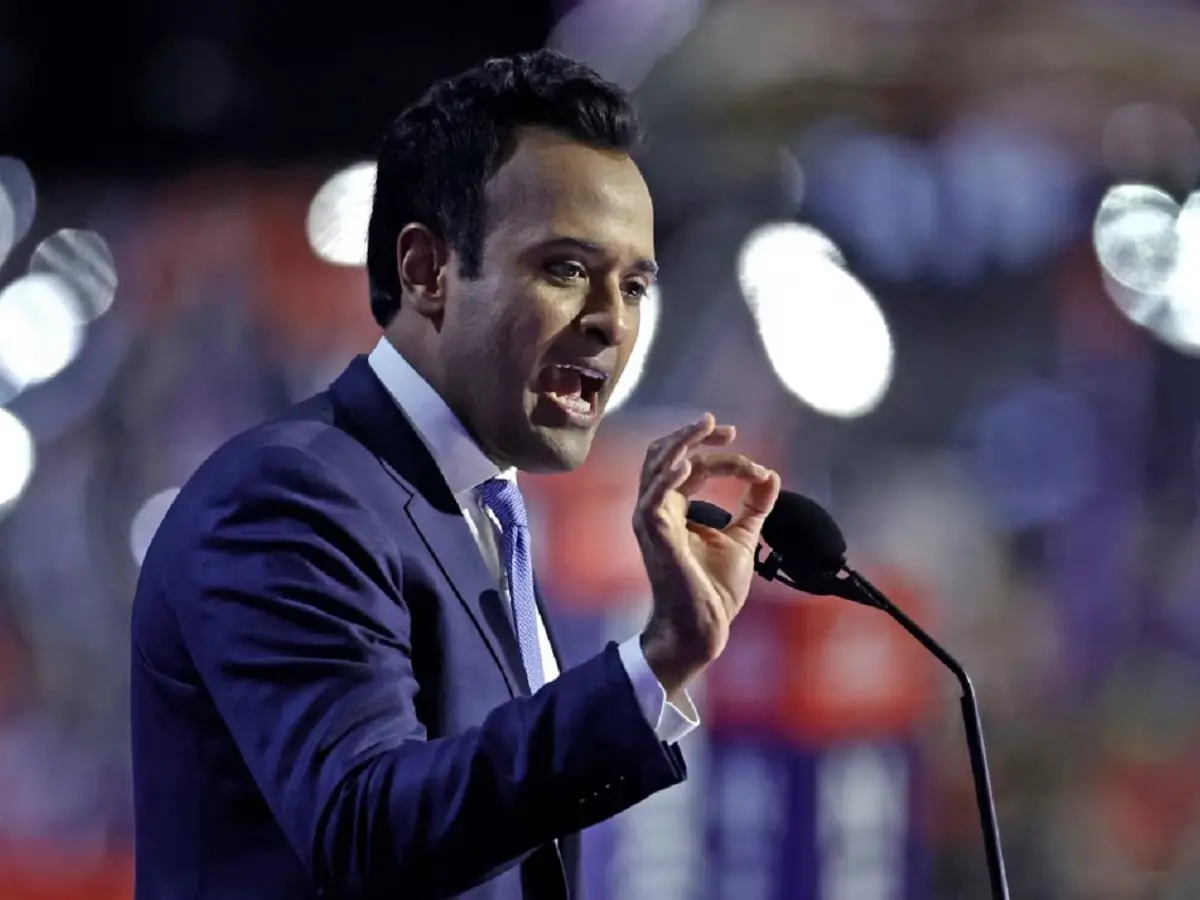
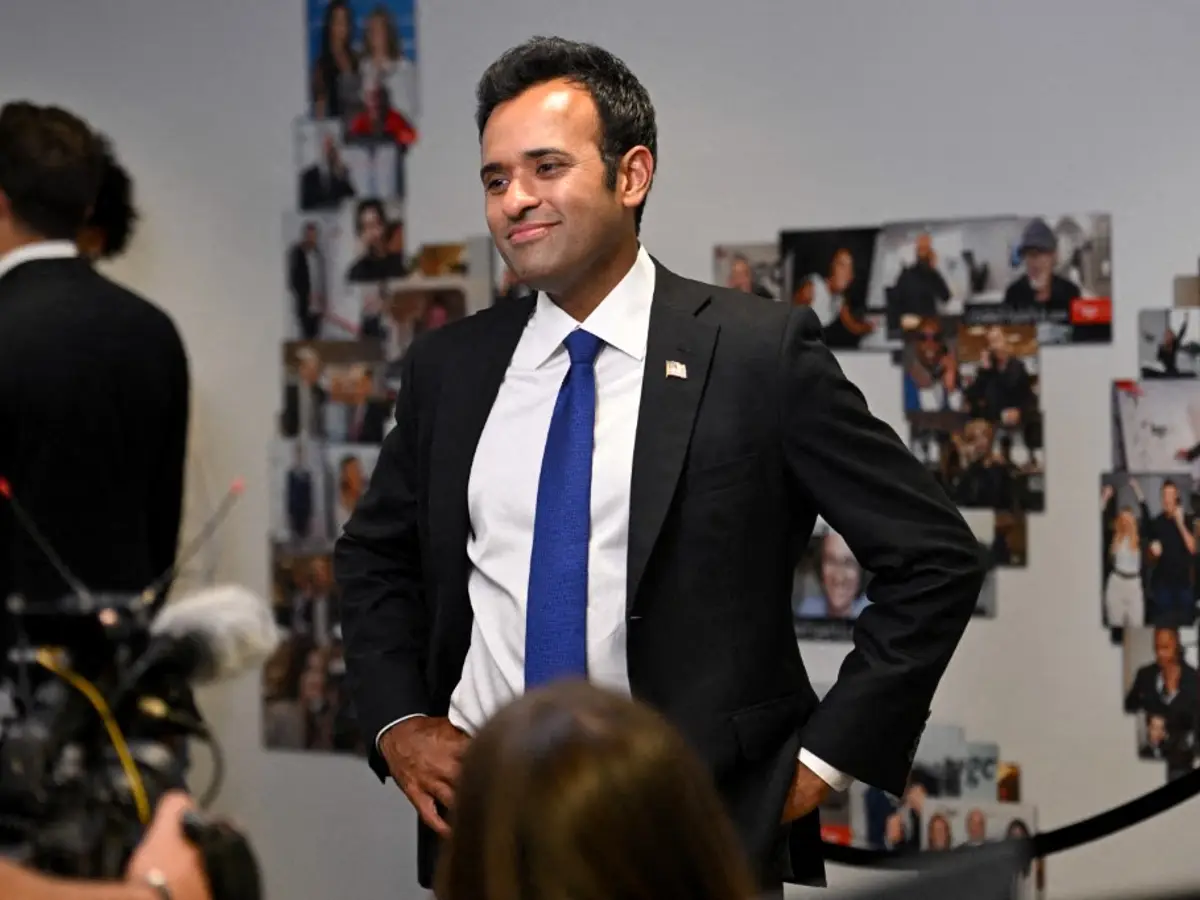
Vivek Ramaswamy is running to become Ohio’s governor.
He wants to get rid of the state income tax over time and reduce property taxes.
He says lower taxes and less government spending could help make up for the money the state would lose.
Researchers say most of the benefit from ending the capital-gains tax would go to very wealthy Ohioans.
Property taxes help pay for schools, police, fire services, and other local needs.
Experts worry that cutting those taxes could leave local governments with less money.
Ramaswamy also wants Ohio to look harder for fraud in Medicaid, a health coverage program used by more than 3 million residents.
He says stopping fraud can help taxpayers and people who legitimately use the program.

Ohio Republican gubernatorial nominee Vivek Ramaswamy is campaigning on tax cuts and government reform against Democrat Amy Acton.
He proposes eliminating the state capital-gains tax in his first two-year budget and phasing out the broader income tax over eight to 10 years.
Researchers estimate Ohioans earning more than $1 million would receive 55.6% of the capital-gains tax cut’s benefits; those earning under $100,000 would receive 7.3%.
Ramaswamy proposes rolling property taxes back to about pre-pandemic levels and limiting future increases, while analysts warn local services could lose revenue.
He also promises stronger Medicaid fraud enforcement; more than 3 million Ohioans are covered, and the program cost $34.2 billion in fiscal year 2024.
- Who
- Ohio Republican gubernatorial nominee Vivek Ramaswamy and Democratic nominee Amy Acton.
- What
- Ramaswamy is campaigning on phasing out the state income tax, reducing property taxes, and aggressively pursuing Medicaid fraud.
- Where
- Ohio.
- When
- Ohio voters are scheduled to choose their next governor on Nov. 3; the year is not specified.
- Why
- Ramaswamy says tax cuts, reduced bureaucracy and spending, and stronger fraud enforcement can encourage economic growth and reduce improper spending.
Ramaswamy’s case
Concerns raised
Income-tax elimination
Ramaswamy’s case
Ramaswamy argues a zero-income-tax Ohio would attract businesses, investment, and workers, while growth and spending reductions could offset lost revenue.
Concerns raised
The proposal would reduce state revenue, and researchers estimate most of the capital-gains tax benefit would go to residents earning over $1 million.
Property-tax cuts
Ramaswamy’s case
Ramaswamy proposes rolling property taxes back to around pre-pandemic levels and limiting future growth as homeowners face rising bills.
Concerns raised
Property taxes support public education, police, fire services, and other local operations; analysts warn that rollbacks could cause significant revenue losses.
Medicaid fraud enforcement
Ramaswamy’s case
Ramaswamy says stronger investigations and simpler administration can identify improper spending and protect legitimate recipients and taxpayers.
Concerns raised
The articles report his proposal and rationale but do not provide a distinct opposing position on Medicaid enforcement.
Key facts
- Income-tax phase-out
- Ramaswamy proposes eliminating the broader state income tax over eight to 10 years.
- Capital-gains tax
- He proposes eliminating the state tax on capital gains in his first two-year budget.
- Capital-gains tax benefits
- Researchers estimate 55.6% would go to Ohioans earning over $1 million annually and 7.3% to those earning under $100,000.
- Property-tax plan
- Roll taxes back to approximately pre-pandemic levels, then limit their future growth.
- Medicaid enrollment
- More than 3 million Ohioans receive Medicaid coverage.
- Medicaid cost
- $34.2 billion in fiscal year 2024.
Sources
Related news
Ramaswamy’s $2.3 Billion Fortune Shapes Ohio Governor’s Race
Ramaswamy Could Join America’s Wealthiest Elected Officials in Ohio
Vivek Ramaswamy Faces GOP Criticism Over $690,000 Private Flights

Greek prime minister rules out snap elections, unveils tax cuts
Poll Sweeteners Cross Borders, Reshaping Modern Electoral Politics
Trump's Profane Ohio Rally Targets Democrats Ahead of Midterms

Armed Individual Lunges at Ohio Governor Candidate at Fair
Indian-American congressional candidates post mixed results in US midterm primaries