

2 weeks ago
Article Draws Contested Parallels Between Jantar Mantar and Tiananmen

The article compares two student protest movements.
One happened in China in 1989 at Tiananmen Square.
The other happened at Jantar Mantar in India.
Students in both cases were described as asking for political and economic changes.
The article says people were worried about jobs, prices, corruption, and government accountability.
It says China used the army against protesters, causing many deaths and arrests.
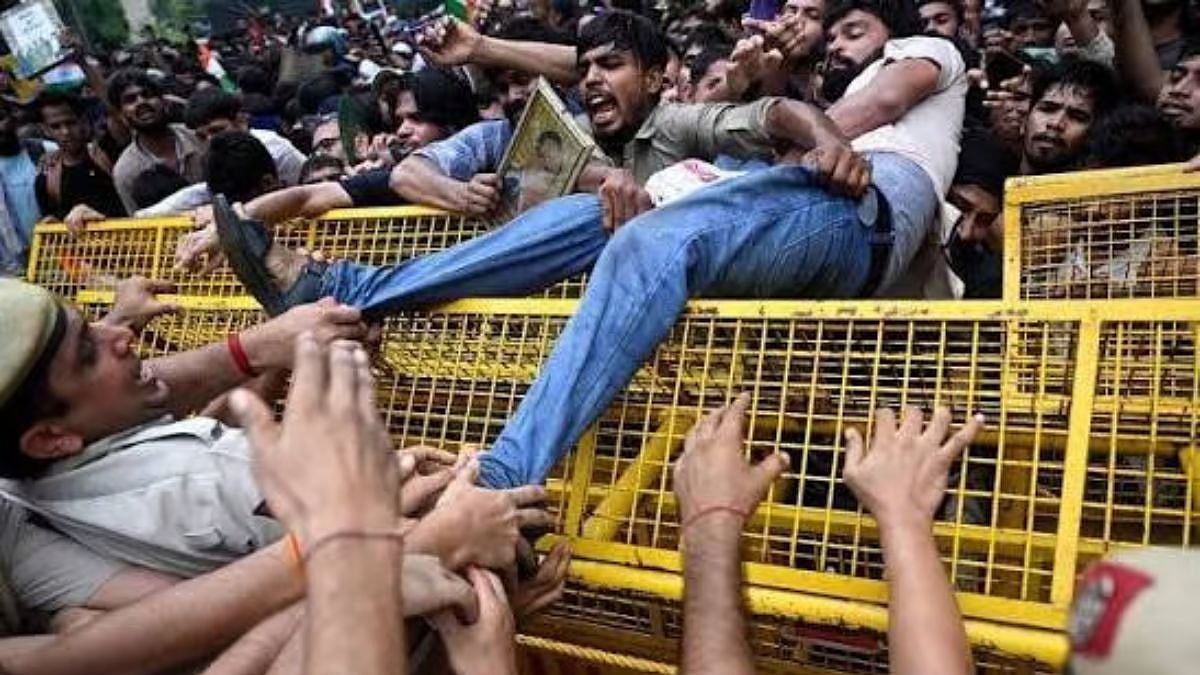
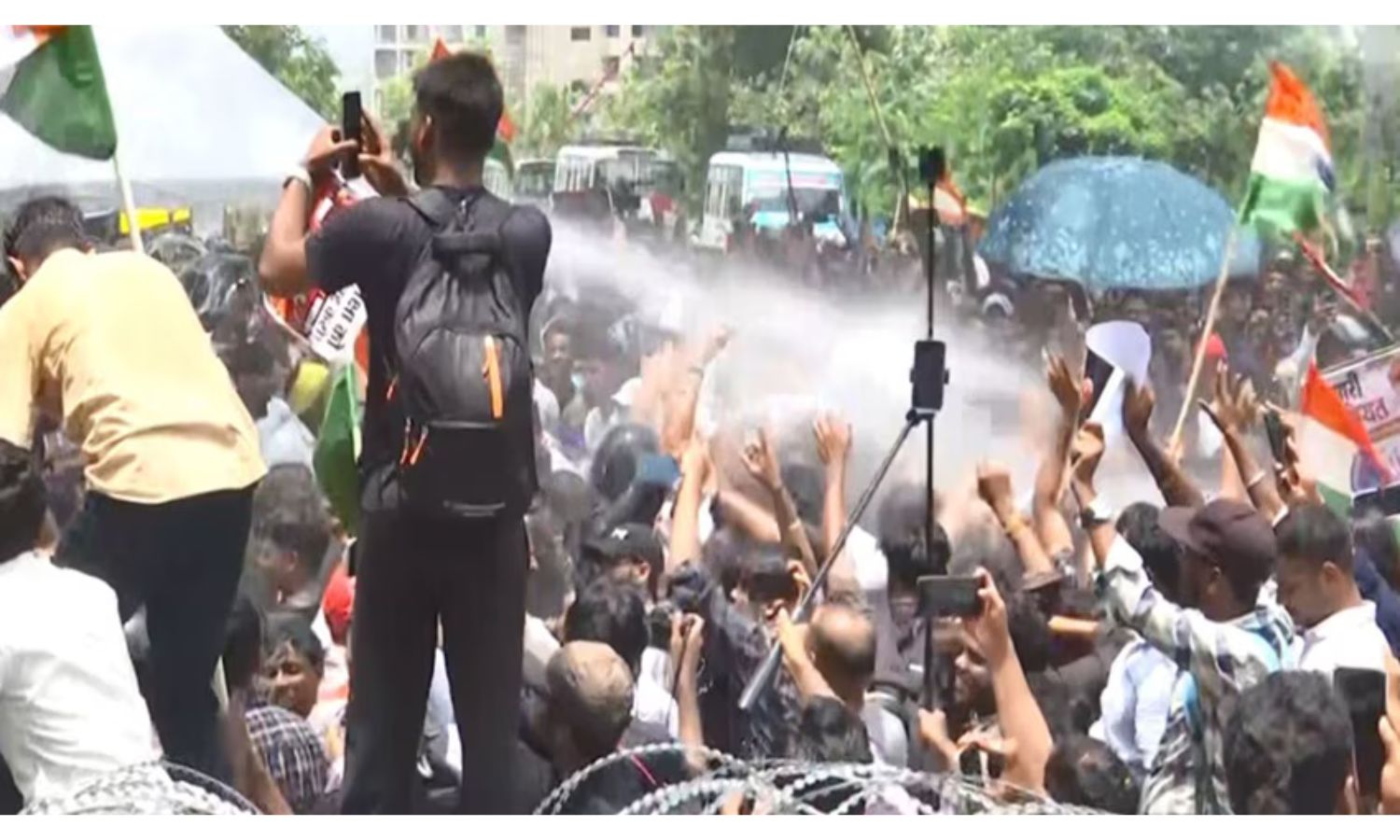
It says Indian police and paramilitary forces also acted against protesters, injuring some people.
The article argues that governments on both the political left and right can treat student protests harshly.

The article compares India’s Jantar Mantar protests with China’s 1989 Tiananmen Square movement.
It says both movements involved students demanding democratic reforms amid concerns about unemployment, inflation, corruption, and accountability.
According to the article, Chinese authorities used troops and force at Tiananmen, while Indian authorities used police and paramilitary action at Jantar Mantar.
The article reports that Jantar Mantar protesters were injured by pellet firing and that an AK-47 was used against a protester in Bihar, with no reported deaths so far.
It argues that both political left and right can respond ruthlessly to student-led dissent, while noting that the situations are not identical.
- Who
- Student protesters in China and India, along with the Chinese and Indian governments, are central to the article.
- What
- The article compares the 1989 Tiananmen Square movement with protests at Jantar Mantar and examines government responses to student dissent.
- Where
- The events discussed took place at Tiananmen Square in Beijing, Jantar Mantar in India, and other cities in China and India.
- When
- The Tiananmen protests occurred in 1989; the article refers to the Jantar Mantar protests as the “Twentieth July Incident,” or “20/7.”
- Why
- The article says protesters sought democratic reforms and raised concerns about examination leaks, unemployment, inflation, corruption, accountability, and threats to democracy.
Protesters and Supporters
Governments and Ruling-Party Supporters
Purpose of the protests
Protesters and Supporters
The article presents the protesters as seeking democratic reforms and action on examination leaks, unemployment, inflation, corruption, and government unaccountability.
Governments and Ruling-Party Supporters
The article says authorities and ruling-party figures characterized the protests as potentially anarchic or as a threat requiring control.
How authorities should respond
Protesters and Supporters
The article suggests negotiations and recognition of the protesters’ concerns would have been preferable to police, paramilitary, or military action.
Governments and Ruling-Party Supporters
The article says Chinese and Indian authorities chose force or security measures, arguing or implying that the protests could lead to disorder.
Treatment of protesters
Protesters and Supporters
The article criticizes arrests, FIRs, allegations against protesters, and what it describes as a possible witch-hunt or politically motivated targeting.
Governments and Ruling-Party Supporters
The Indian government, according to the article, defended retaining FIRs by claiming that 2,873 protesters included murderers, rapists, drug addicts, and terrorists; the RSS also called the Cockroach Janta Party anti-national.
Key facts
- Historical movement
- The Tiananmen Square protests took place in Beijing in 1989 after the death of former Chinese Communist Party leader Hu Yaobang.
- Indian protests
- The Jantar Mantar protests were launched by the Cockroach Janta Party and supported by AISA, according to the article.
- Reported injuries
- The article says several Jantar Mantar protesters were injured by pellet firing, some reportedly seriously.
- Reported weapon use
- The article says an AK-47 was used against a protester in Bihar.
- Chinese government response
- China declared martial law in Beijing, deployed troops, and opened fire as the protests escalated.
- Indian government response
- The article says Indian authorities used police and paramilitary action rather than negotiations.
- Protesters’ demands
- The article links the Jantar Mantar protests to examination paper leaks and broader demands concerning jobs, prices, corruption, accountability, and democracy.
Quotes

Prime Minister
The head of the Indian government speaking on Instagram
“"I am forgiving my misguided children"”
 freepressjournal.in
Sources
Related news
Student Protests Reflect Shared Struggle Beyond Ranchi Versus Jantar Mantar
Youth Protests Force Exam Cancellations and Political Concessions

CJP's Dipke condemns police action against students in Ranchi

Rahul Gandhi, Kiren Rijiju Clash Over NEET Protest Police Action

Supreme Court Urges Review as Government Faces Protest Cases

Abhijeet Dipke condemns Jharkhand police crackdown on student protesters
Lokesh Calls for NDA Victory in Upcoming Local Elections
Jagga Reddy touts Telangana welfare schemes after 1,000 days
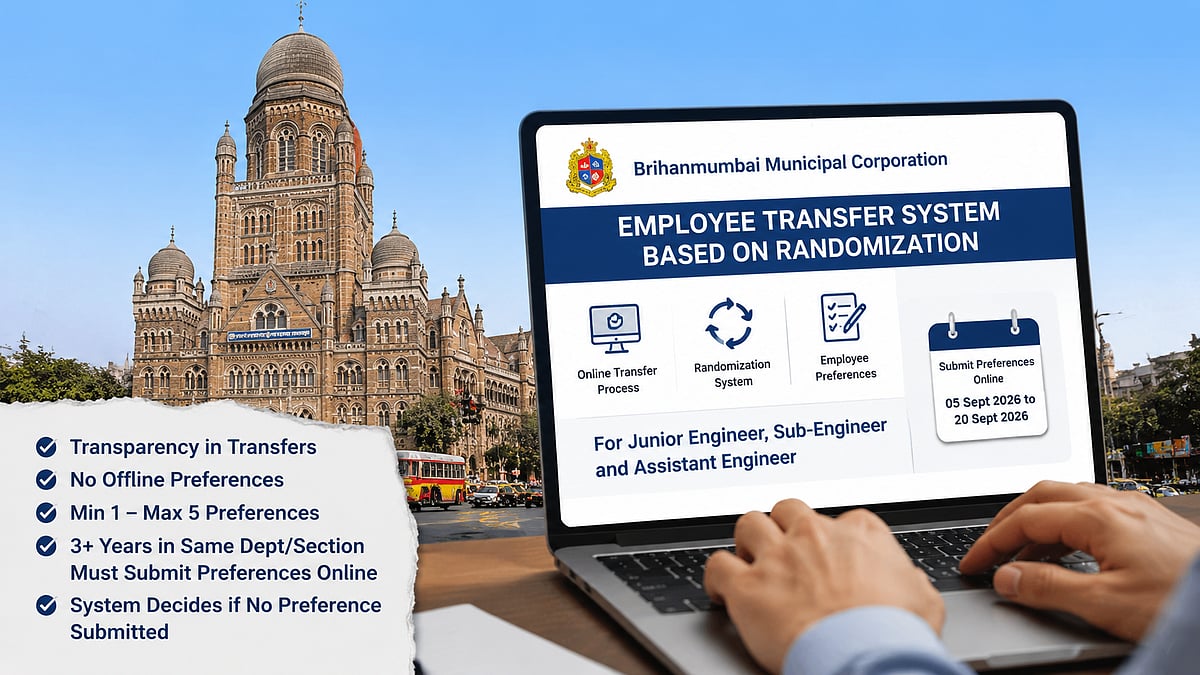
BMC Introduces Randomized Online Engineer Transfers Amid Political Interference Allegations
Madhya Pradesh CM Hints at Renaming Orchha’s Jahangir Mahal
Lokesh Urges Alliance Leaders to Secure Huge Local Poll Victory
