2 hrs ago
SEBI Clears Way for National Stock Exchange’s ₹30,000-Crore IPO

The National Stock Exchange of India wants to sell shares to the public.
India’s market regulator, SEBI, has allowed the exchange to move forward with its IPO process.
The proposed issue could be worth about ₹30,000 crore.
That would make it larger than previous big IPOs by Hyundai Motor India and Life Insurance Corporation of India.
The grey market price suggests some investors are interested, but grey market prices are unofficial.
The IPO will sell existing shares owned by institutional investors.
NSE will not issue new shares in this offering.
The money raised will go to those selling shareholders.
NSE had faced delays because of a past controversy involving access to its trading servers.

The National Stock Exchange’s proposed IPO has received final observations from SEBI.
The issue is estimated at ₹30,000 crore, potentially making it India’s largest IPO.
The IPO’s grey market premium was reported at ₹200 per share as of Friday.
The offering will be an offer for sale of up to 149 million existing shares, representing 6% of paid-up capital.
Selling shareholders, rather than NSE itself, will receive the IPO proceeds.
- Who
- The National Stock Exchange of India, SEBI, and NSE’s existing institutional shareholders.
- What
- SEBI has cleared the way for NSE’s proposed ₹30,000-crore IPO.
- Where
- India.
- When
- SEBI’s final observations were received on September 4; the grey market premium was reported as of Friday.
- Why
- The IPO is intended to allow existing institutional shareholders to sell up to 149 million NSE shares.
Key facts
- Estimated issue size
- ₹30,000 crore
- Reported grey market premium
- ₹200 per share as of Friday
- Shares offered
- Up to 149 million existing equity shares
- Share of paid-up capital
- 6%
- Issue structure
- Entirely an offer for sale; no fresh shares will be issued
- Regulatory approval
- SEBI’s final observations were received on September 4
- Earlier settlement
- NSE reached a ₹1,300-crore settlement with SEBI in January 2026
Sources
Related news

NSE Clears SEBI Hurdle for Potentially Record ₹30,000-Crore IPO

NSE Wins SEBI Approval for Potential ₹30,000 Crore IPO

SEBI Clears NSE IPO, Advancing Long-Awaited Stock Exchange Listing

NSE IPO Targets $55 Billion Valuation, September Listing Likely

NSE Wins SEBI Approval, Targets India’s Biggest-Ever IPO Listing
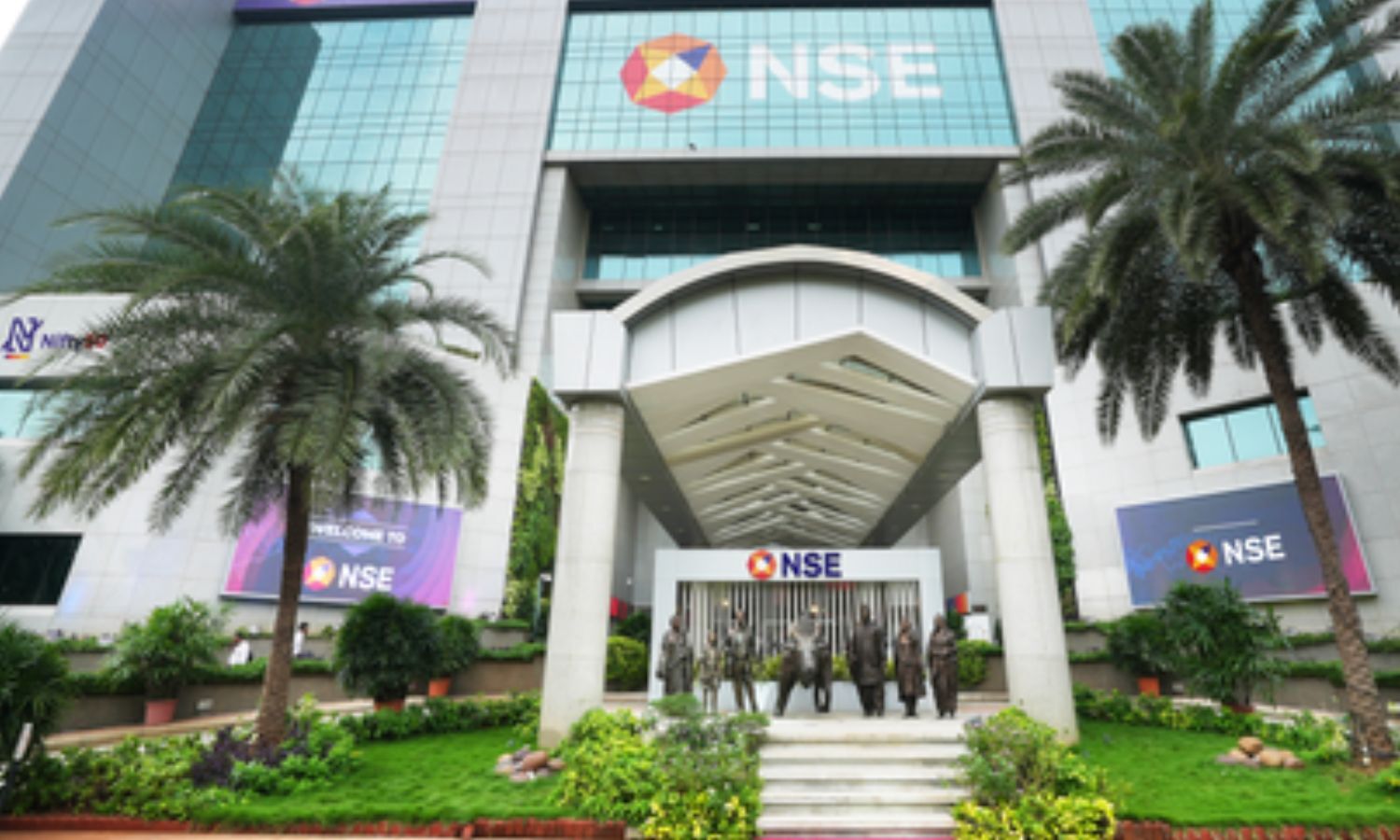
SEBI Issues Observation Letter for Rs 30,000-Crore NSE IPO
NSE Wins Final Approval After Decade-Long Wait for IPO

AI Boom Drives Chipflation and Consumer Electronics Price Rises
UltraTech Entry Triggers Cable-Wire Stock Selloff as UltraVolt Launches