1 hr ago
Mumbai Committee Rejects ₹8.25-Crore Road-Washing Plan Amid Water Crisis
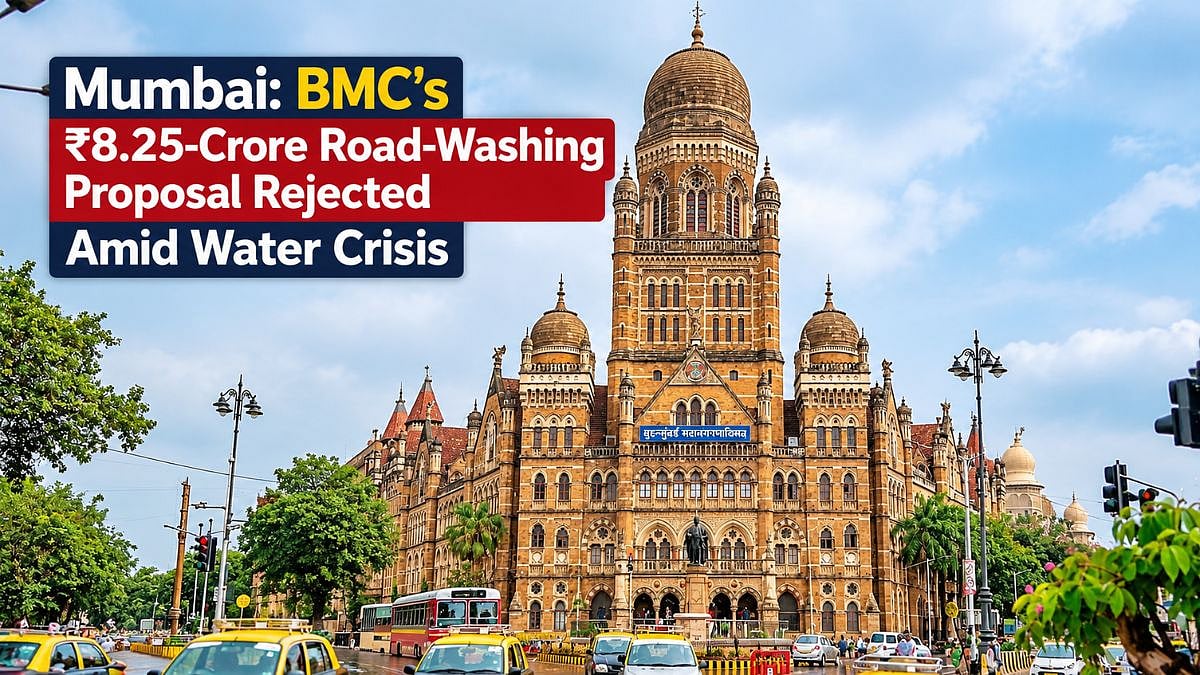
Mumbai’s civic body wanted to spray water on many roads to reduce dusty air.
The plan would have cost ₹8.25 crore.
But city representatives rejected it because water is scarce.
They asked officials to find other ways to control dust.
Some suggested using hydrants or treated wastewater.
Others said developers should control dust at construction sites.
The civic body already has dust-suction vehicles, sprinklers, and misting equipment.
Mumbai’s lakes had less water than their combined capacity on October 9.
The committee did not approve road washing.

Mumbai’s Standing Committee unanimously rejected the BMC’s ₹8.25-crore proposal to wash roads to reduce dust.
The plan covered 377 roads spanning 677 kilometres, with daily washing proposed for 150 non-monsoon days.
Corporators cited water scarcity and drought conditions and asked civic officials to find alternatives to road washing.
Suggestions included restoring hydrants, using treated sewage water, and holding developers responsible for dust at construction sites.
Mumbai’s seven lakes held 13,64,045 million litres on October 9, while the city’s daily water supply deficit was 500 million litres.
- Who
- Mumbai’s BMC and its Standing Committee; committee members rejected the proposal.
- What
- A proposal to wash 377 roads daily for 150 days to suppress dust was unanimously rejected.
- Where
- Mumbai, Maharashtra.
- When
- The committee rejected it on Friday, October 9, 2026.
- Why
- Corporators said road washing would be insensitive amid water scarcity and drought conditions, and directed the civic body to find other dust-control measures.
Dust-control urgency
Water conservation concerns
Whether to wash roads
Dust-control urgency
The BMC proposed washing roads to reduce dust from construction, redevelopment, traffic, and industrial activity; a civic official said road washing was among measures taken in compliance with Bombay High Court directions.
Water conservation concerns
Corporators across party lines argued that using water for road cleaning amid scarcity and drought would be insensitive; the Standing Committee rejected the proposal unanimously.
How to control dust
Dust-control urgency
Congress group leader Ashraf Azmi proposed restoring and using city hydrants, while MNS group leader Yashwant Killedar asked about using treated water from sewage treatment plants.
Water conservation concerns
Standing Committee chairperson Prabhakar Shinde called for developers to be responsible for controlling dust at construction sites, and the committee directed civic officials to explore alternatives to washing.
Key facts
- Proposed cost
- ₹8.25 crore
- Roads covered
- 377 roads spanning 677 kilometres
- Proposed schedule
- Daily for 150 days, excluding the monsoon
- Water held in seven lakes
- 13,64,045 million litres as of October 9, 2026
- Combined lake capacity
- 14,47,363 million litres
- Daily city water supply
- 4,100 million litres, with a reported deficit of 500 million litres per day
- Existing dust-control equipment
- Vehicle-mounted dust-suction systems, sprinklers, and fogging and misting systems
Sources
Related news
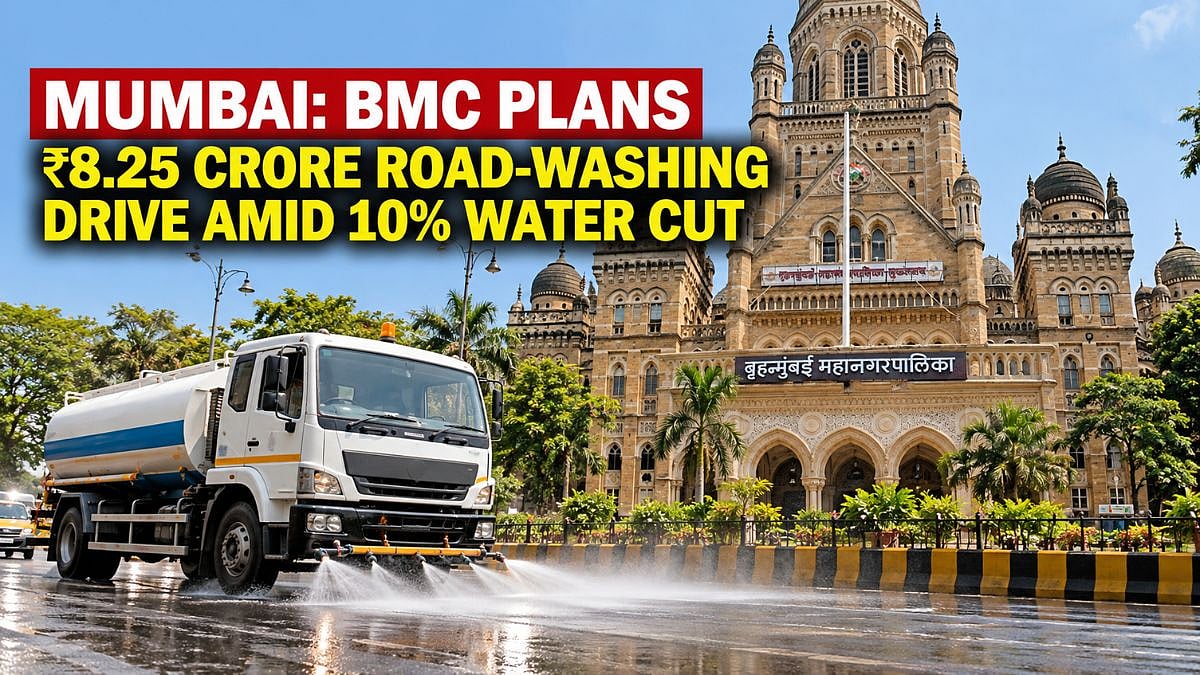
BMC Road-Washing Plan Draws Questions Amid Water Shortage
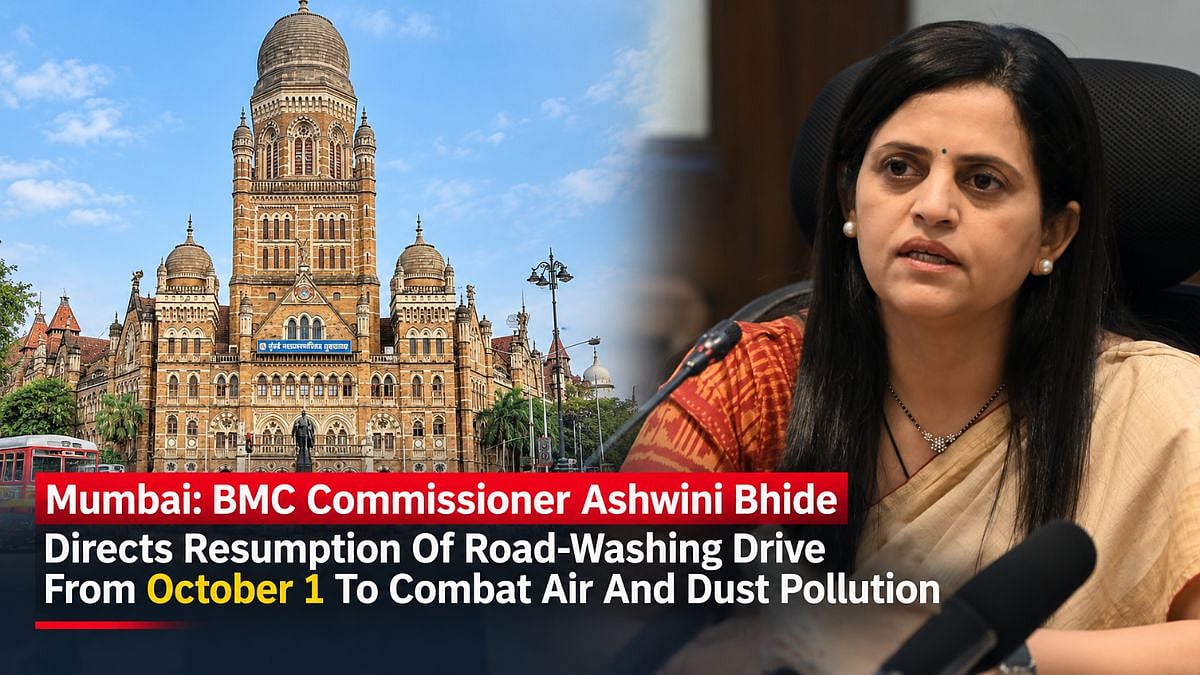
Mumbai Civic Body Resumes Road Washing to Combat Air Pollution
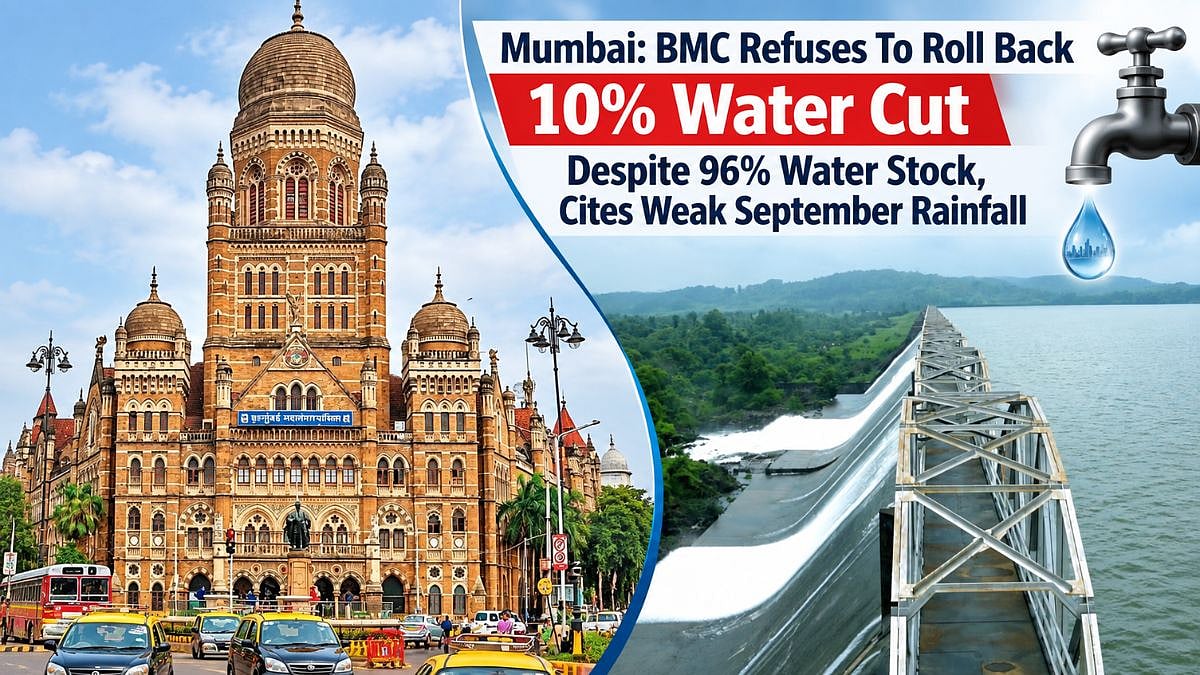
BMC Keeps Mumbai Water Cut Despite Lakes Being 96% Full
Maharashtra Plans Water Cuts as Mayor Urges Conservation
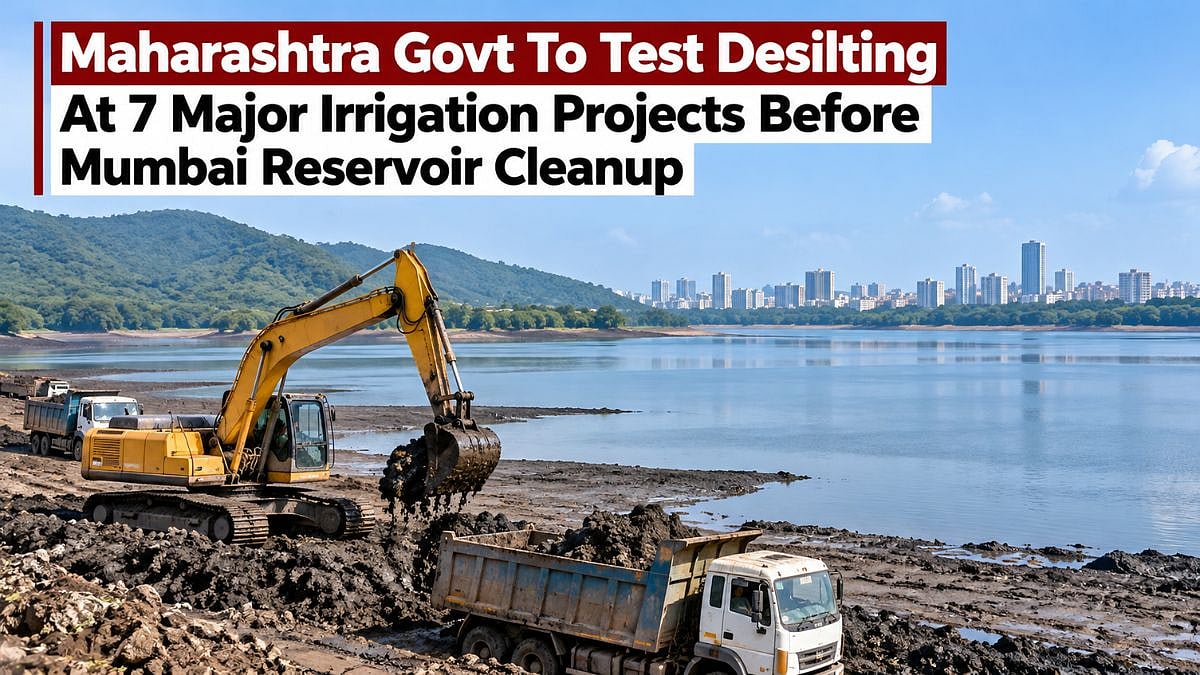
Maharashtra to Test Desilting Before Mumbai Reservoir Cleanup
Maharashtra Orders Minimum 10% Water Cuts From October 16
Maharashtra Approves ₹12.68 Crore Fleet Purchase Amid Drought Concerns
Rohit Pawar Urges Protesters to Join Pune MPSC Agitation
Maharashtra Approves 98-Year PPP Lease For MSRTC Surplus Land
BJP Boycotts Vasai-Virar Kabaddi Tournament Inauguration Over Late Invitations