9 hrs ago
Meloni’s Government Sets Italy’s Longest Postwar Administration Record

Giorgia Meloni’s government is about to become Italy’s longest-lasting government since World War II.
It will have been in power for 1,413 days.
This is unusual because Italy has had nearly 70 governments in about 80 years.
Meloni’s supporters say her government has kept the country more stable and managed money carefully.
They also say Italy has become more influential in Europe.
Critics say the government has not done enough to improve people’s wages, health care or everyday lives.
Important promises about justice, the prime minister’s powers and regional autonomy remain unfinished.
Many voters are worried about living costs, security, immigration and public services.
The next national election is expected in 2027, but low turnout and divisions among opposition parties could shape the result.

Giorgia Meloni’s government will complete 1,413 days in office on Friday, surpassing Silvio Berlusconi’s previous postwar record.
Meloni’s Brothers of Italy continues to lead opinion polls ahead of Italy’s 2027 national election.
Critics say the coalition’s stability has not produced major improvements in living standards, business competitiveness or public services.
Supporters point to tax cuts, higher tax revenues, fiscal discipline and Italy’s stronger international influence.
The government faces voter dissatisfaction, low turnout, coalition challenges and possible competition from Roberto Vannacci’s Futuro Nazionale party.
- Who
- Giorgia Meloni’s coalition government, including Brothers of Italy, the League and Forza Italia.
- What
- The government is set to become Italy’s longest-serving postwar administration after completing 1,413 days in office.
- Where
- Italy, with political developments discussed in Rome and other parts of the country.
- When
- The milestone is expected on Friday; national elections are scheduled for 2027.
- Why
- The milestone reflects unusual political continuity, while the government’s record is being debated ahead of the next election.
Supporters and Government Allies
Critics and Opposition
Political stability
Supporters and Government Allies
Supporters describe the government’s record longevity as a point of pride and evidence of unusual political continuity in Italy.
Critics and Opposition
Critics argue that stability was not used effectively to deliver significant improvements for citizens or businesses.
Economic and domestic record
Supporters and Government Allies
Government allies cite tax cuts, higher tax revenues, fiscal discipline and the decline in unemployment.
Critics and Opposition
Opposition figures and analysts point to stagnant real wages, weak expected growth, problems in public health and continuing cost-of-living concerns.
International influence
Supporters and Government Allies
Supporters say Italy has become more central in Europe, particularly on migration and energy policy.
Critics and Opposition
Critics focus on unresolved domestic problems and unfinished commitments, including justice reform, stronger prime-ministerial powers and regional autonomy.
Key facts
- Time in office
- 1,413 days upon reaching the milestone
- Previous record
- Held by Silvio Berlusconi during one of his four terms as prime minister
- Next national election
- 2027
- Expected economic growth
- 0.6 percent in 2026
- Unemployment
- Declined from above 7 percent to around 5 percent over four years
- Election turnout
- About 64 percent in 2022 and below 50 percent in the 2024 European elections
- Potential challenger
- Roberto Vannacci’s Futuro Nazionale party has polled at around 7 percent
Quotes

Marco Osnato
Prominent lawmaker from Giorgia Meloni’s Brothers of Italy party
“This stability was not capitalised upon. It did not lead to any significant improvement in people's living standards or business competitiveness.”
 firstpost.com
“It takes time, but things are getting better.”
firstpost.com
Sources
Related news

Meloni’s Record Italian Government Faces an Uncertain Political Future
Italy’s Revolving-Door Governments Hide More Stability Than Expected
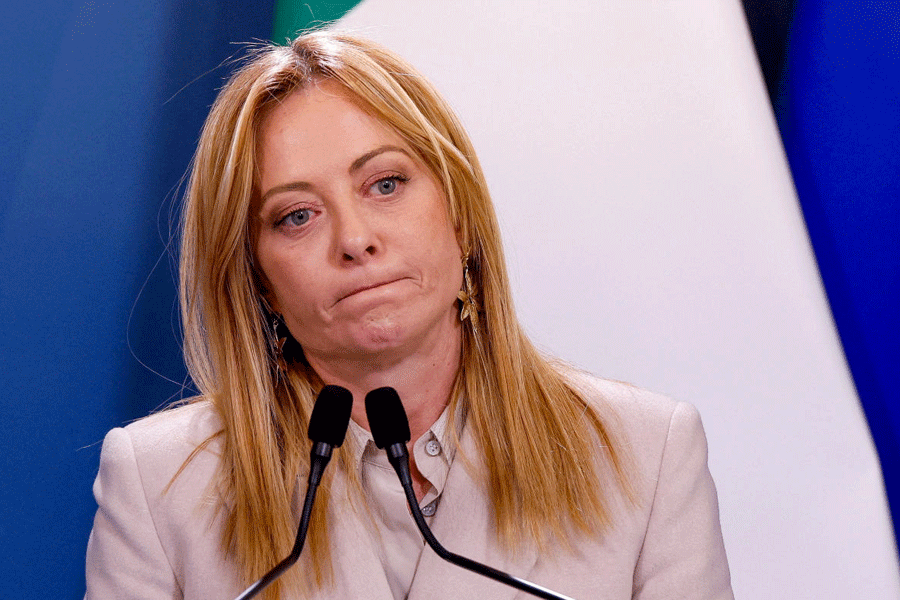
Italy's Meloni losing young voters ahead of 2027 election
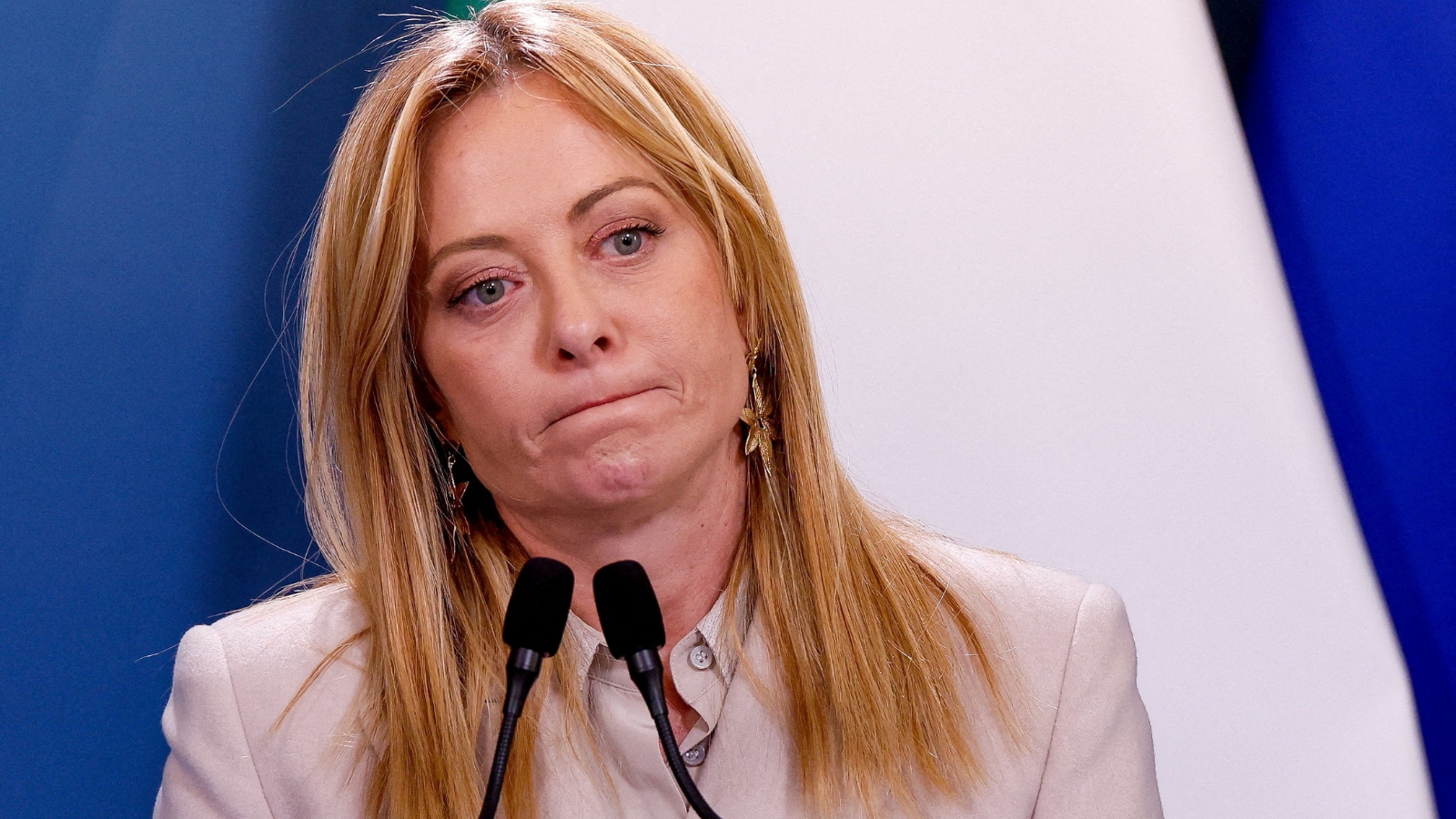
Why young Italians are turning against Meloni ahead of 2027
Italy’s new far-right party overtakes Forza Italia in polls

Indian-American Voters Shift From Trump Toward Democrats Ahead Of Midterms

South Korea Names Three Officials in Major Cabinet Reshuffle

Trump-Aligned Companies Prepare for Possible Democratic House Takeover