

2 days ago
Bhagwat Says Bharat Sheltered Aggressors, Embraced Religious Diversity
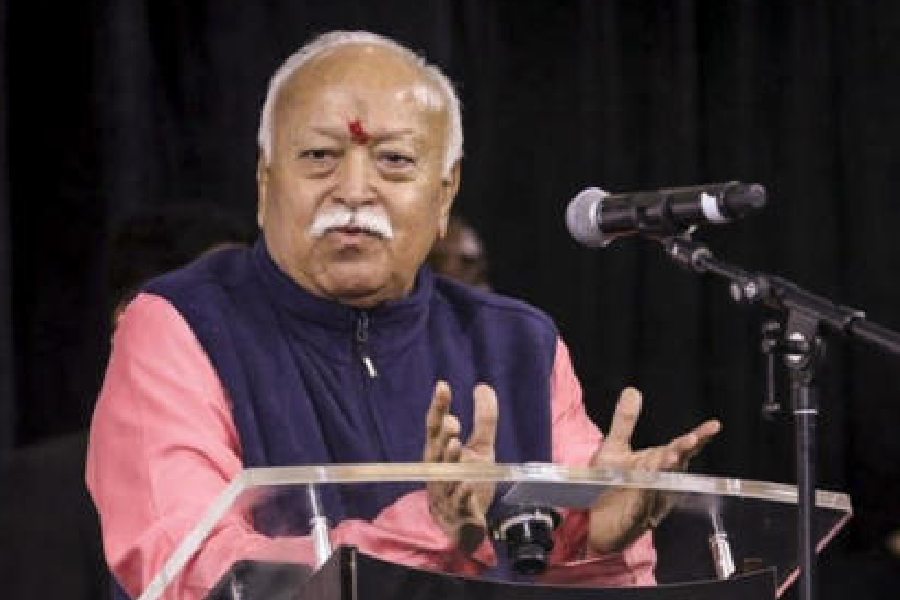
Mohan Bhagwat leads the Rashtriya Swayamsevak Sangh, or RSS.
He spoke at an event in Toronto, Canada.
He said India has given shelter to people who were treated badly elsewhere.
He also said some people who once came as attackers now live in India as citizens.
Bhagwat mentioned Muslims, Christians, Jews and Parsis.
He said Hindus should respect people with different religions and customs.
He believes India’s many communities can be united even when they are different.
He also said India became a “Vishwaguru,” or teacher of the world, by helping and serving others.
His visit and the RSS event were criticised by Zohran Mamdani and some community and civil-rights groups.

RSS chief Mohan Bhagwat said Bharat has given asylum to persecuted people, including outsiders who once arrived as “aggressors.”
He said Muslims, Christians, Jews and Parsis live as Bharatiya citizens while retaining their distinct traditions.
Speaking in Toronto, Bhagwat argued that Hindus respect all religions and that diversity itself expresses unity.
He said Bharat became “Vishwaguru” through service, knowledge and its civilisational character rather than by becoming a superpower.
His remarks followed criticism of the RSS outreach from Zohran Mamdani and other groups; Minister Kiren Rijiju separately warned people accused of disrespecting India’s flag.
- Who
- RSS chief Mohan Bhagwat addressed the gathering; critics included New York lawmaker Zohran Mamdani and some interfaith, civil-rights and community organisations.
- What
- Bhagwat said Bharat sheltered persecuted people, including former aggressors, and that Hindu traditions accept religious diversity as a form of unity.
- Where
- The “Hindu Vishwa Bandhu – Embrace the World in Friendship” event in Toronto, Canada, organised by Canadian Hindus for Outreach, Relations and Dialogue.
- When
- Sunday; the articles do not provide a specific calendar date. The remarks followed a speech in New York on Saturday.
- Why
- Bhagwat was presenting what he described as Bharat’s traditions of asylum, service, religious acceptance and unity in diversity, during a centenary-year global outreach tour.
Critics and Opponents
Bhagwat and RSS Officials
RSS ideology and inclusion
Critics and Opponents
Zohran Mamdani called RSS ideology exclusionary, while protests were reported outside Bhagwat’s New York programme. Opposition leaders questioned whether the principles described by Bhagwat were being applied in India.
Bhagwat and RSS Officials
Bhagwat said Hindus respect and accept all religions, and presented Bharat’s religious diversity and asylum tradition as evidence of an inclusive civilisational outlook.
Purpose of the global tour
Critics and Opponents
Critics viewed the outreach as politically controversial, with some observers saying criticism aimed partly at the RSS’s political arm, the Bharatiya Janata Party.
Bhagwat and RSS Officials
Sangh officials said the three-nation tour was scheduled well in advance as part of centenary-year activities and was intended to preserve culture and traditions, not address day-to-day politics.
India’s historical role
Critics and Opponents
The articles report that Bhagwat’s claims about Bharat’s historical service, knowledge-sharing and refuge were made as part of his ideological presentation, rather than independently assessing those claims.
Bhagwat and RSS Officials
Bhagwat said Bharat helped people in distress, spread knowledge rather than conquer territories, and became “Vishwaguru” through service instead of becoming a “Mahashakti” or superpower.
Key facts
- Speaker
- Mohan Bhagwat, chief of the Rashtriya Swayamsevak Sangh
- Location
- Toronto, Canada
- Event
- “Hindu Vishwa Bandhu – Embrace the World in Friendship”
- Organiser
- Canadian Hindus for Outreach, Relations and Dialogue (CHORD)
- Communities mentioned
- Muslims, Christians, Jews and Parsis
- Tour
- A three-nation visit covering the United States, the United Kingdom and Canada
- Historical example
- Bhagwat cited Polish refugees during the Second World War as an example of Bharat offering refuge
- Political response
- Zohran Mamdani and other groups criticised the RSS outreach; Sangh officials said the tour was planned for the centenary year and was unrelated to day-to-day politics
Quotes

Mohan Bhagwat
Chief of the Rashtriya Swayamsevak Sangh (RSS)
“Many came to Bharat from outside as aggressors, but they still thrive there, with all their specialties intact. They are now Bharatiya citizens. Muslims are there, Christians are there. Jews are there in small numbers because many migrated from Israel. Parsis are there. Many people come to Bharat for asylum.”
 wionews.com
 thestatesman.com
 telegraphindia.com
“During the Second World War, residents of Poland — many of them became refugees. They ran away from their country, travelled the seas and came to Bharat. Bharat was not independent then. There were Britishers. And they refused asylum.”
telegraphindia.com
Sources

Related news

Bhagwat Says India Became Vishwaguru Through Service, Not Power

Mohan Bhagwat Promotes Hindu Unity and Global Service in Toronto
Bhagwat Stresses Hindu Unity and Diversity at New York Event
Mohan Bhagwat Says Hinduism Rejects Excluding Muslims From Bharat
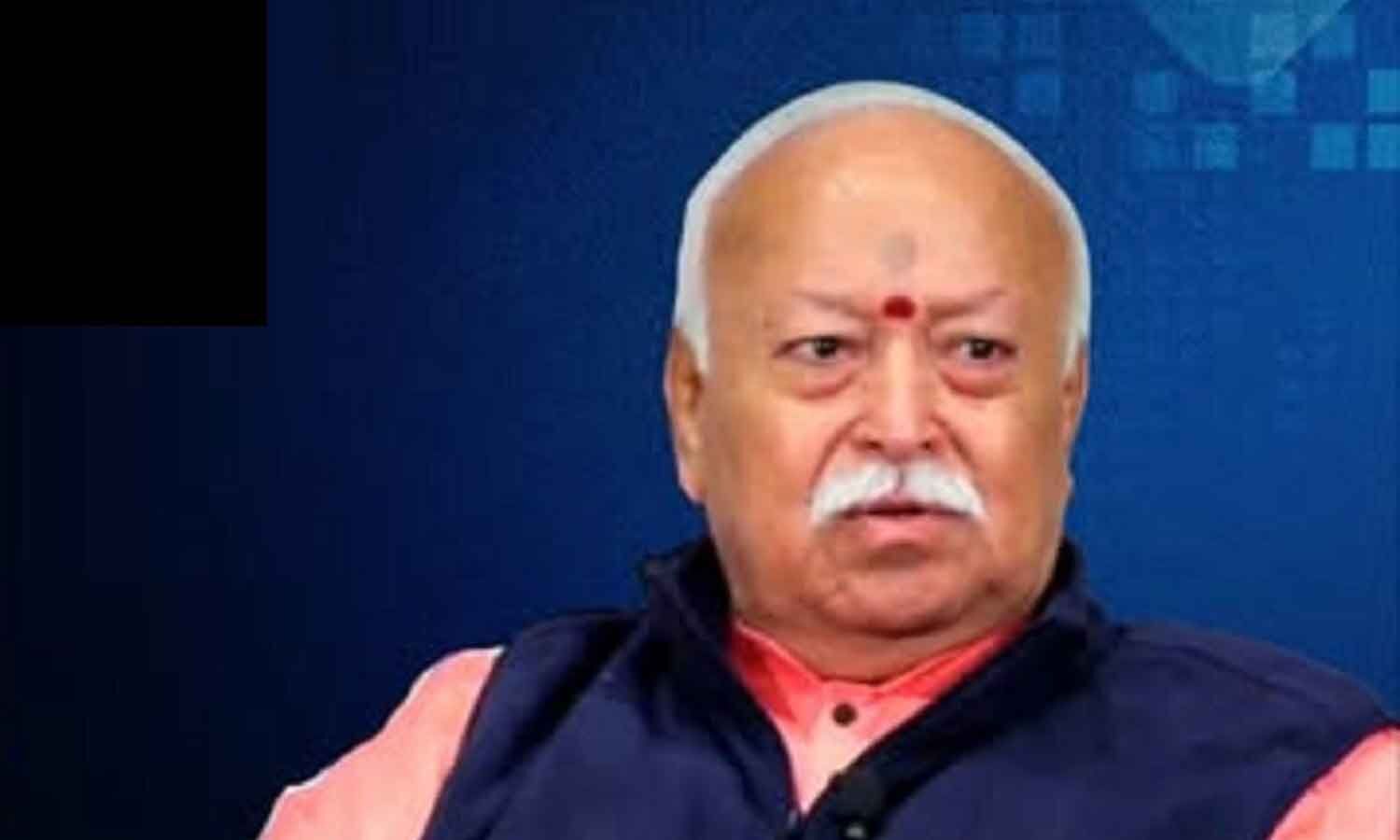
Mohan Bhagwat Defends Hindu-Muslim Inclusion During New York Dialogue
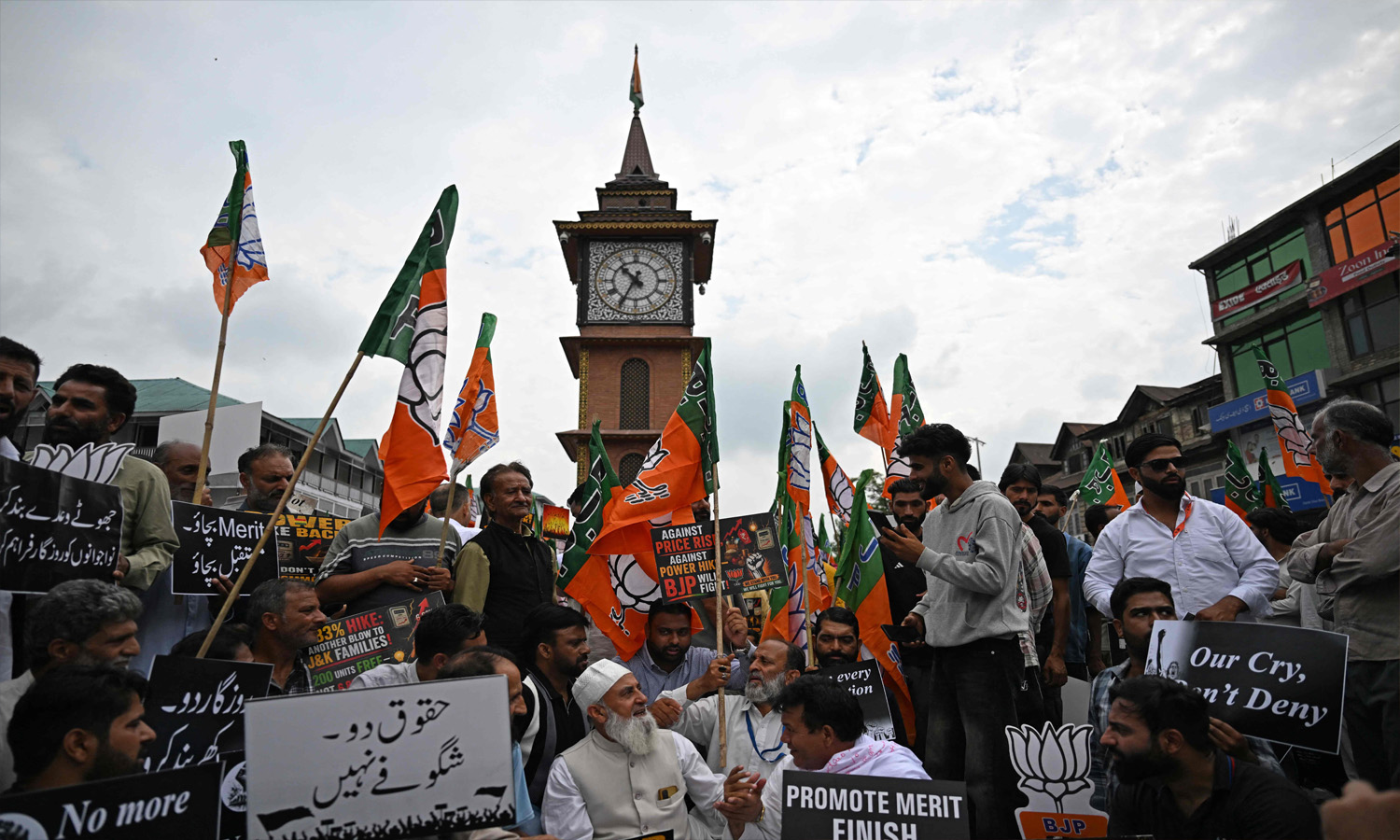
NC and BJP Protests Escalate J&K Statehood, Governance Clash
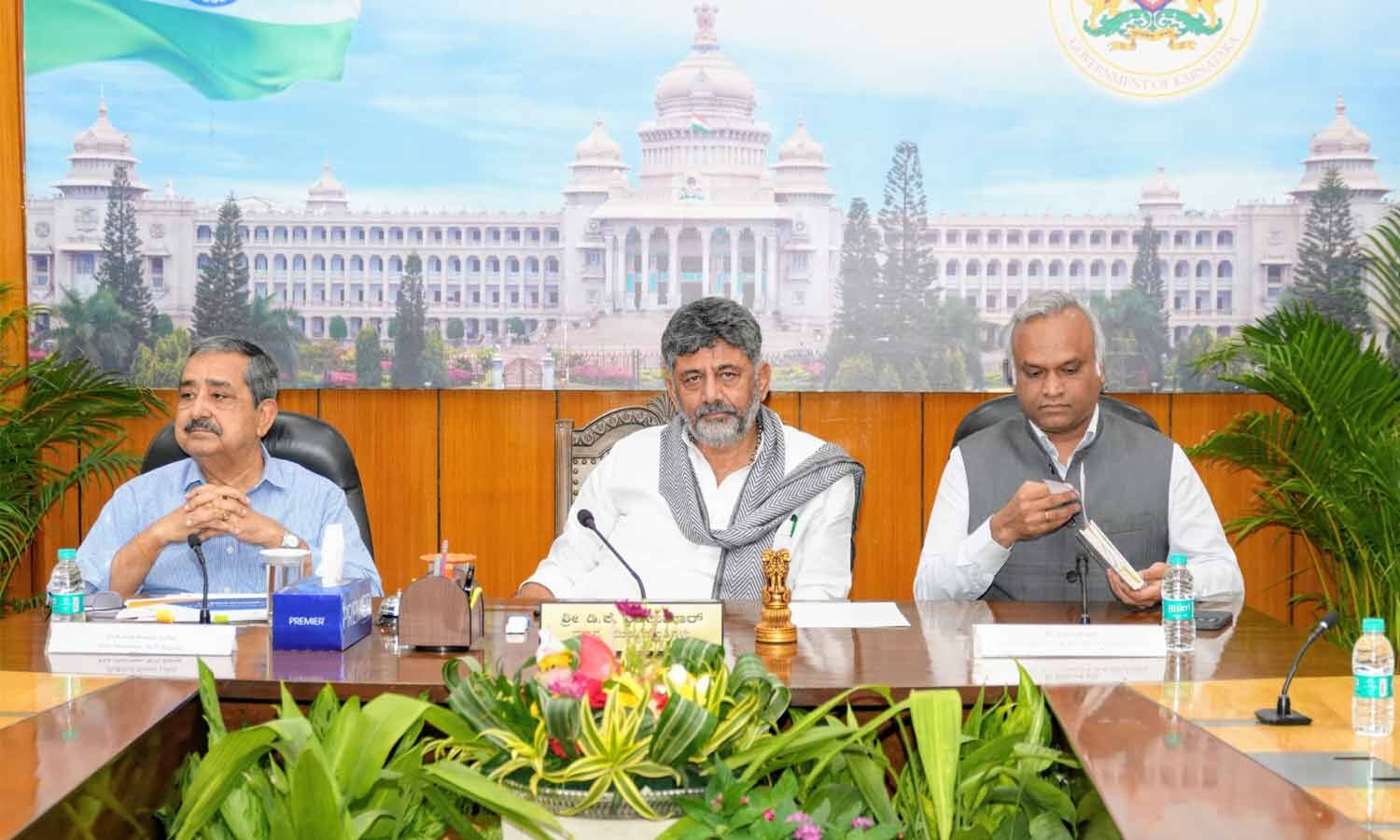
Shivakumar Calls BJP Padayatra Cover-Up for Internal Crisis
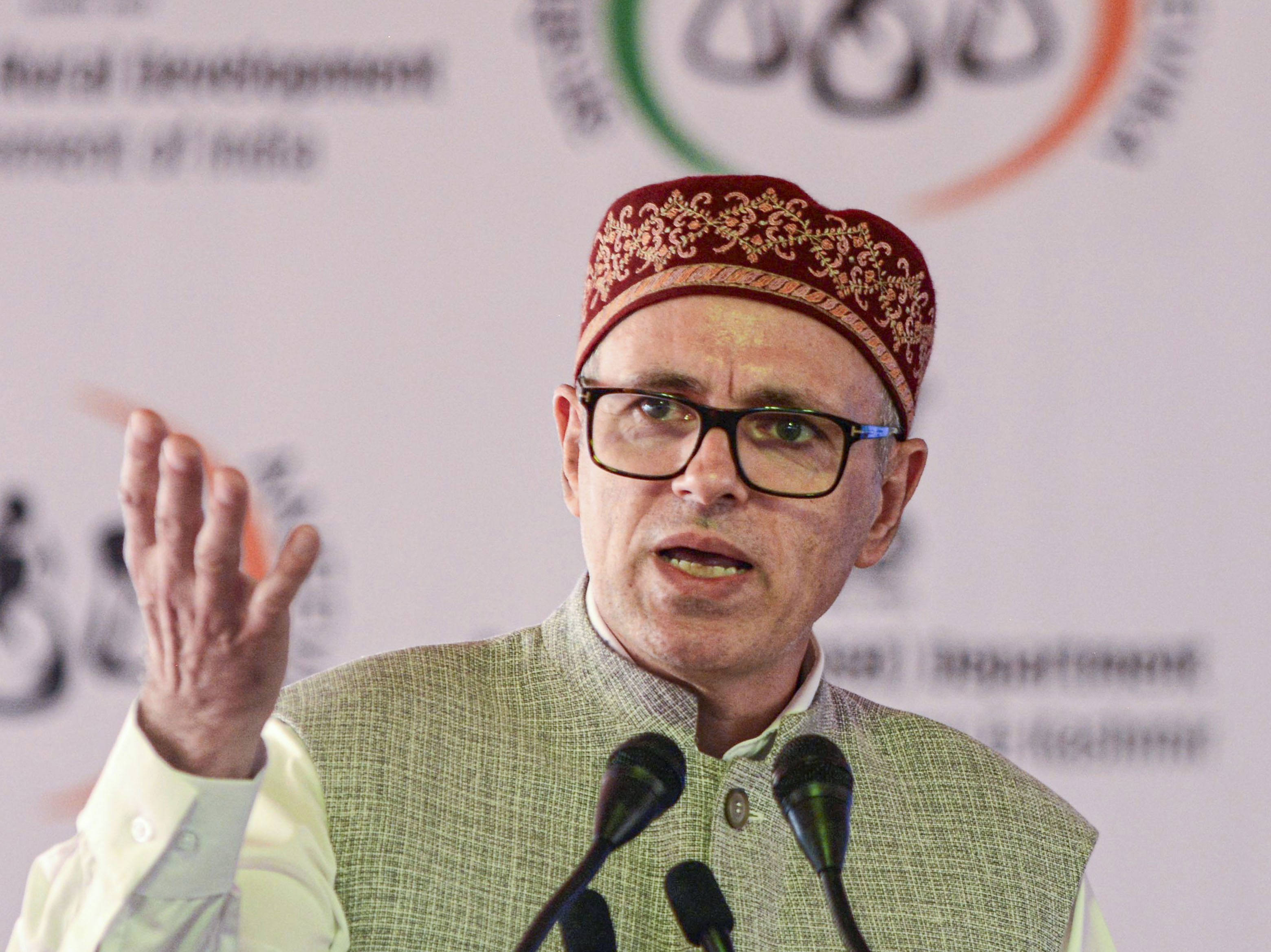
Omar Abdullah Alleges Unequal Treatment of Srinagar Political Protests
Manipur Census Deferment Welcomed as Step Toward Public Aspirations
TMC Alleges Police Misuse and Denial of Legal Notices
