

1 week ago
Antarctica Undersea Cable Could Connect Continent, But Hurdles Remain
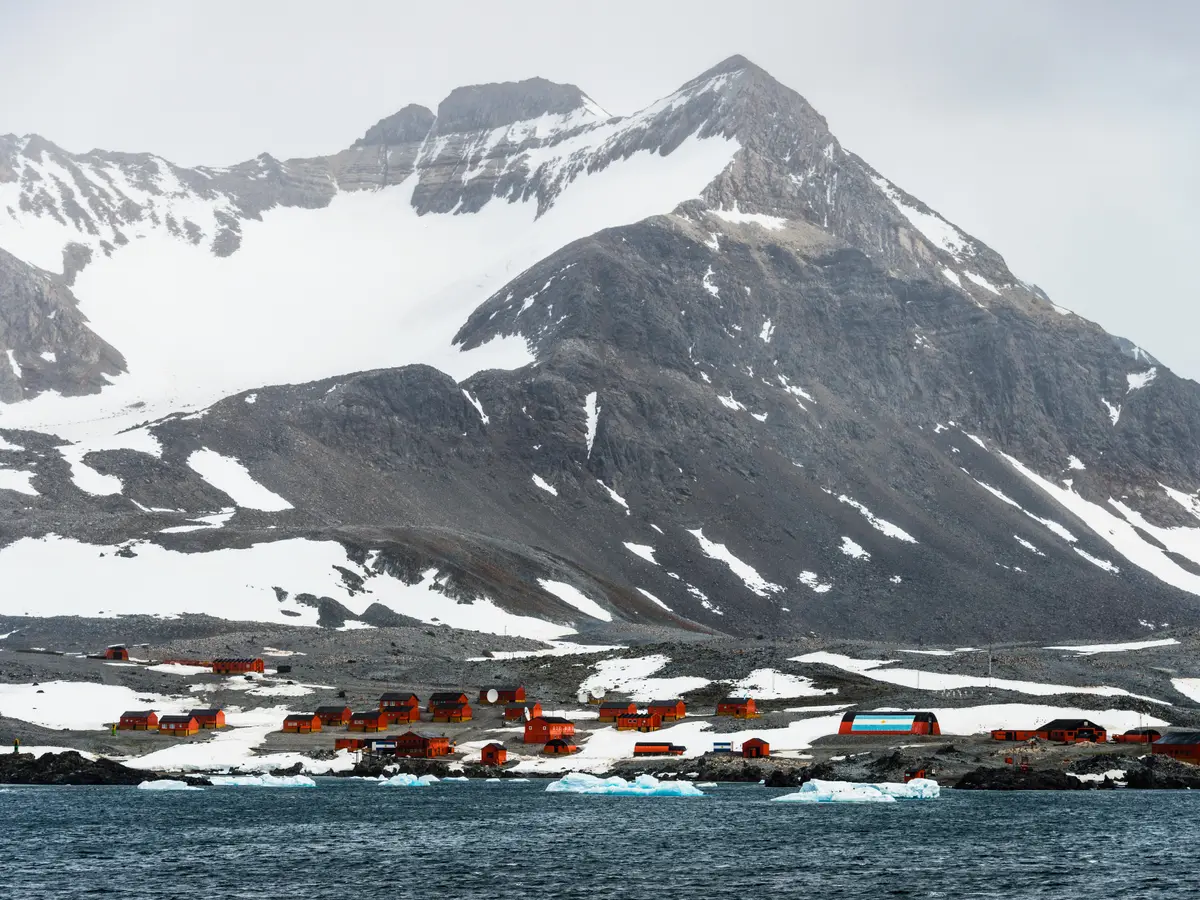
Antarctica currently sends much of its internet data through satellites and hard drives carried in suitcases.
This makes internet access limited and prioritised for scientific work.
A study by Chile’s telecommunications regulator says a fibre-optic cable under the sea could connect Antarctica to the wider internet.
The shortest proposed route would be about 1,600 kilometres long.
A larger plan would stretch about 4,100 kilometres and connect research bases from five countries.
The cable could let scientists send data in real time.
Building it would be difficult because ships can work for only a short period during Antarctic summers.
Icebergs, permissions, and funding could delay the project for nearly eight years.

A Chilean study found an undersea fibre-optic cable across the Drake Passage technically viable.
The minimum plan would create a roughly 1,600-kilometre link serving three facility groups.
An expanded 4,100-kilometre route could connect nine Antarctic landing points and bases operated by five countries.
Each landing could receive a dedicated fibre pair with capacity of 15 to 30 Tbit/s.
Permissions and funding could take nearly eight years, while installation would be limited to three austral summers.
- Who
- Chile’s telecommunications regulator, Subtel, conducted the pre-feasibility study; the proposed network could serve research bases operated by Chile, Argentina, Brazil, the United States, and the United Kingdom.
- What
- A study recommends building an instrumented undersea fibre-optic cable linking Antarctica with the global communications network.
- Where
- The proposed routes would cross the Drake Passage between southern Chile and Antarctic landing points, including areas around King George Island and the northern Antarctic Peninsula.
- When
- The installation would have to take place across three austral summers, mainly during the December-to-January window; permissions and funding could take nearly eight years.
- Why
- Antarctica currently relies on satellites and hard drives, restricting bandwidth and delaying data transmission; a fibre cable could support real-time scientific data transfer.
Key facts
- Current connectivity
- Antarctica relies on satellites and hard drives transported by ships and planes.
- Minimum route
- Approximately 1,600 kilometres, serving three facility groups around King George Island and the northern Antarctic Peninsula.
- Expanded route
- Approximately 4,100 kilometres, with nine Antarctic landing points.
- Capacity
- Each landing would receive a dedicated fibre pair rated at 15 to 30 Tbit/s.
- Estimated project cost
- The proposal is reported at Rs 5,933 crore.
- Installation window
- Work would be spread across three austral summers within the December-to-January period.
- Approval timeline
- Acquiring permissions and funding could span nearly eight years.
Sources
Related news

Australia Investigates Undersea Cable Faults Threatening Internet Security
India warns China's underwater data collection not for peaceful purposes

South Korea Plans Underwater Data Centres to Tackle AI Demand

Samanth Subramanian Finds Hidden Politics in Everyday Stories

India’s Proposed Food Warning Labels Face Health, Industry Backlash

India Proposes Red Warning Labels for Unhealthy Packaged Foods

Indian Duo Completes WRC3 Podium Hat-Trick In Paraguay

Cristiano Ronaldo Supported Messi After His First Retirement

Lionel Messi’s Argentina Career Ends After Heartbreak and Glory
