1 hr ago
Four-Minute Remote Work Coffee Break Sparks Monitoring Debate
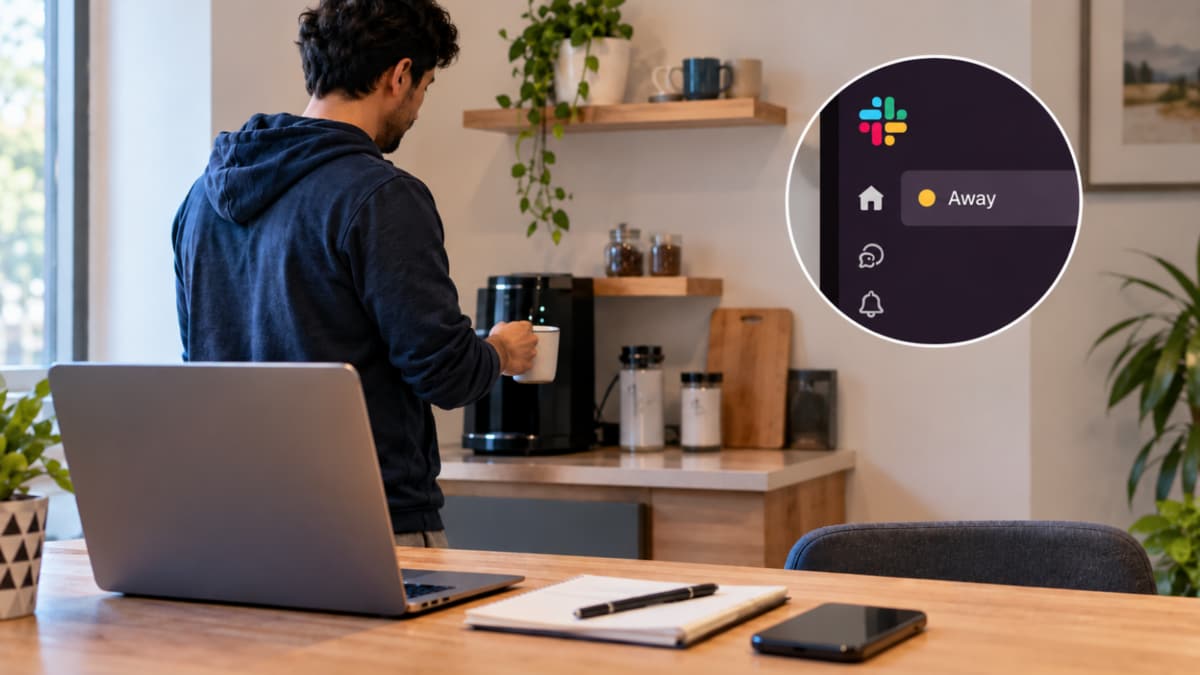
A remote worker briefly left his computer to make coffee.
His Slack status changed to “Away.”
Four minutes later, his manager sent him a message.
The manager reportedly said workers should stay active during work hours.
The manager also suggested using an out-of-office notice when stepping away.
The worker shared a screenshot of the exchange on X. Many people said short breaks are normal at regular offices too.
Others said checking small breaks might stop bigger problems later.
The story is based on a user’s post and has not been independently verified.

A remote employee said his manager contacted him four minutes after his Slack status changed to “Away.”
The employee said he had stepped away from his computer to make coffee.
The manager reportedly expected employees to remain active during working hours and use an out-of-office notification for brief absences.
Many users said short coffee and bathroom breaks are normal in offices and questioned stricter monitoring of remote workers.
Other users defended the manager’s approach as a way to prevent more serious time-related violations, though the claims were not independently verified.
- Who
- A remote employee, his manager, and social media users discussing the exchange.
- What
- A manager questioned a worker’s four-minute coffee break after the worker’s Slack status showed “Away.”
- Where
- The incident involved remote work and was discussed on X.
- When
- The employee’s status reportedly changed at 2:14 PM and the manager’s message was sent at 2:18 PM; the post was shared on October 1, 2026, and the article was published October 2, 2026.
- Why
- The exchange prompted debate over whether companies should closely monitor brief remote-work absences or treat them like normal office breaks.
Brief Breaks Are Normal
Monitoring Prevents Abuse
How short breaks should be treated
Brief Breaks Are Normal
Many users said coffee, bathroom, food, and other short breaks are normal in office settings and questioned why remote workers should face closer scrutiny.
Monitoring Prevents Abuse
Some users said managers addressing small time-related issues can help prevent more serious remote-work infractions later.
Remote-work management
Brief Breaks Are Normal
Critics viewed the manager’s response as excessive monitoring of a four-minute absence.
Monitoring Prevents Abuse
Supporters viewed maintaining an active status and using an out-of-office notice as reasonable ways to enforce working-hour expectations.
Key facts
- Break duration
- Four minutes
- Slack status
- Changed to “Away” at 2:14 PM
- Manager’s message
- Sent at 2:18 PM
- Employee’s explanation
- He stepped away to make coffee
- Manager’s expectation
- Employees should maintain an active status during working hours
- Suggested notification
- Use an out-of-office notification when stepping away during core working hours
- Verification status
- The original user-generated claims were not independently verified by News18
Quotes
Another online commenter
A user defending close monitoring of small remote-work time issues
“The ironic thing is that in an ‘in-office’ environment, workers are going to the bathroom, getting coffee, eating breakfast or lunch at their desk, having a chat session with their neighbour, etc. all day long. It’s not like some level of goofing off isn’t a pastime for the ages.”
 news18.com
“The philosophy of upper management is that it helps prevent more egregious time-related WFH infractions if they instruct middle managers to get nitpicky about the small ones. Begrudgingly, I have to admit that I think it’s a good philosophy.”
news18.com
Sources
Related news
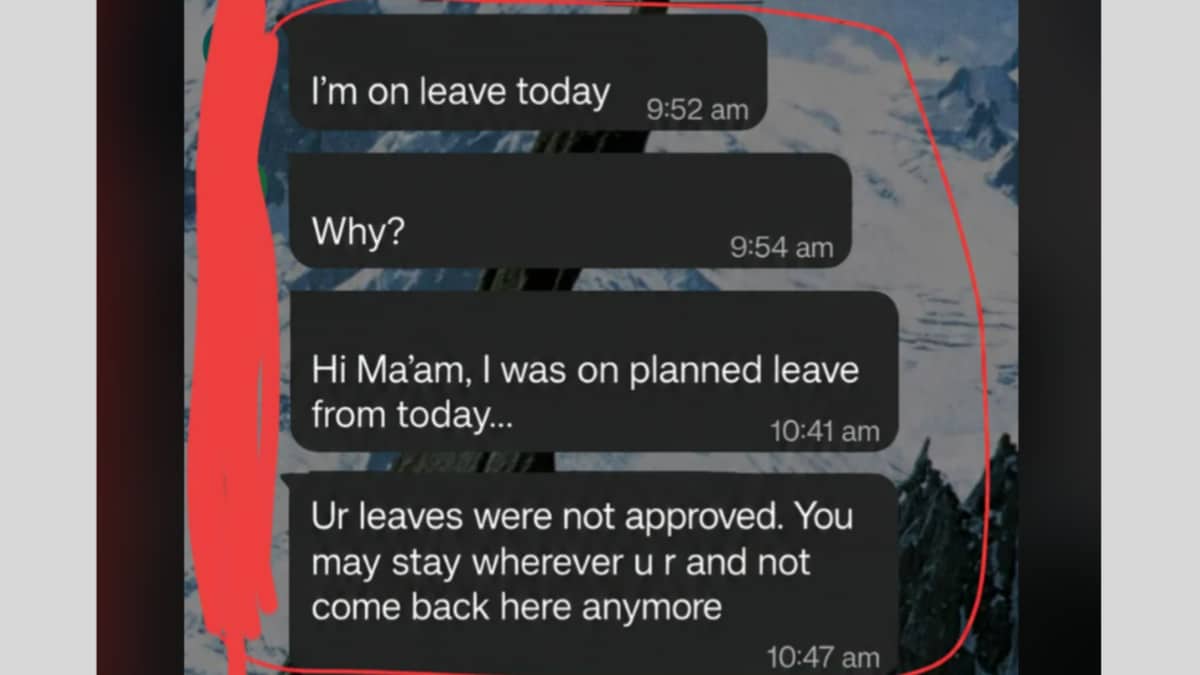
Client’s Rude Leave Reply Sparks Debate Over Workplace Culture

Employee Questions Manager’s Arrival Tracking and Strict Office Rules
Billionaire Lawyer Defends Camera Monitoring as Remote Workers Quit

Man Warns Managers To Maintain Clear Workplace Boundaries

Gen Z Employee's Owner Reply Sparks Workplace Debate

Survey Finds Employees Blurring Boundaries Between Work And Life

Drishyam: The Conclusion Earns Strong Praise From Netizens

Elon Musk Calls Instagram ‘For Girls’ Despite Mixed Audience Data

Dario Amodei’s White House Fidgeting Sparks Memes and Debate

Norway Vegetable Prices Spark Debate Over Indian Farmers