1 week ago
Shoriful Islam Makes Test Cricket History Against Australia
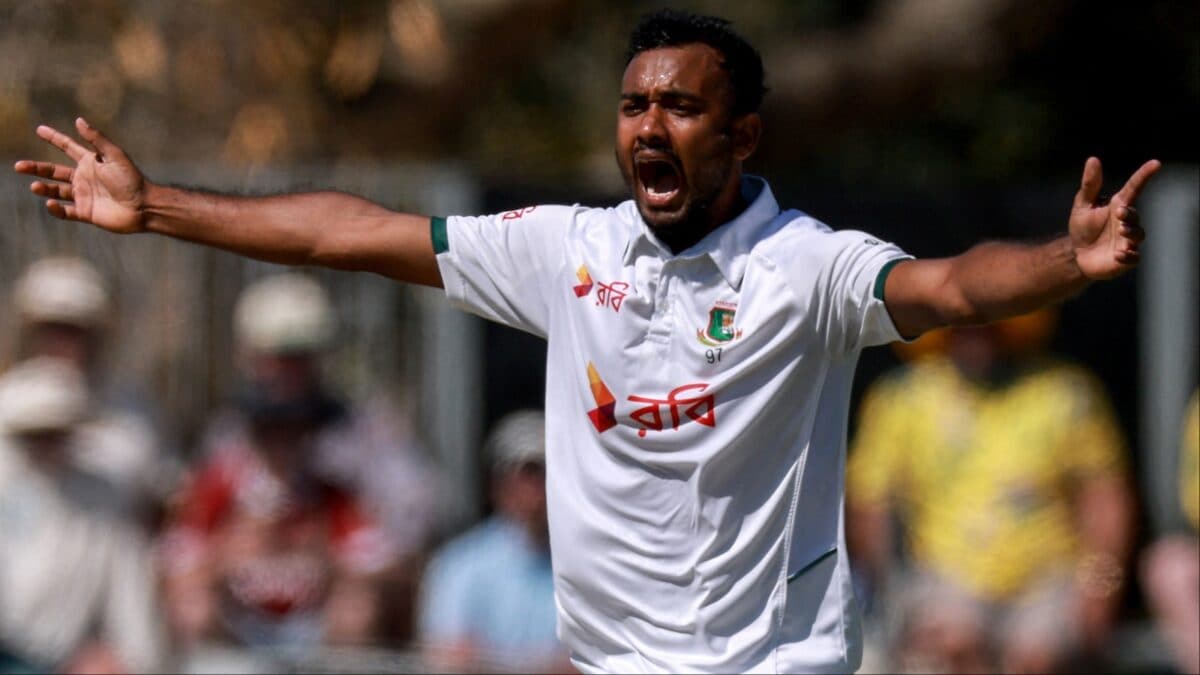
Shoriful Islam is a fast bowler who plays for Bangladesh.
In a Test match against Australia, he took seven wickets.
He gave away 48 runs while bowling 15 overs.
His bowling helped Bangladesh dismiss Australia for 210 runs.
This was a very rare achievement against Australia.
The last left-arm fast bowler to take seven wickets against Australia was England’s Dick Barlow in 1886.
That means Shoriful reached a record not seen for about 140 years.
He is also the first Bangladeshi fast bowler to take seven wickets in an international innings.

Bangladesh’s Shoriful Islam took seven wickets for 48 runs in 15 overs against Australia.
His bowling helped dismiss Australia for 210 in the first innings at Mackay.
Shoriful became the first left-arm pacer in 140 years to claim a seven-wicket Test innings against Australia.
England’s Dick Barlow was the previous left-arm fast bowler to achieve the feat, in 1886.
Shoriful also became the first Bangladeshi pacer to take seven wickets in an international innings.
- Who
- Bangladesh fast bowler Shoriful Islam and the Australian cricket team.
- What
- Shoriful took seven wickets for 48 runs in a Test innings against Australia.
- Where
- Great Barrier Reef Arena in Mackay, Australia.
- When
- The innings was recorded on August 22, 2026; the report was published August 23, 2026.
- Why
- His seven-wicket haul helped Bangladesh bowl Australia out for 210 and set a 140-year left-arm fast-bowling milestone against Australia.
Key facts
- Bowling figures
- 7 wickets for 48 runs in 15 overs
- Match
- Second Test between Bangladesh and Australia
- Venue
- Great Barrier Reef Arena, Mackay
- Australia’s first-innings score
- 210 runs
- Previous comparable performance
- Dick Barlow took 7/44 for England against Australia in Manchester in 1886
- Bangladesh milestone
- First Bangladeshi pacer to take seven wickets in an international innings
- Overall left-arm record against Australia
- Hedley Verity recorded 8/43 for England in 1934
Sources
Related news

Shoriful’s Seven Wickets Keep Bangladesh Alive in Mackay
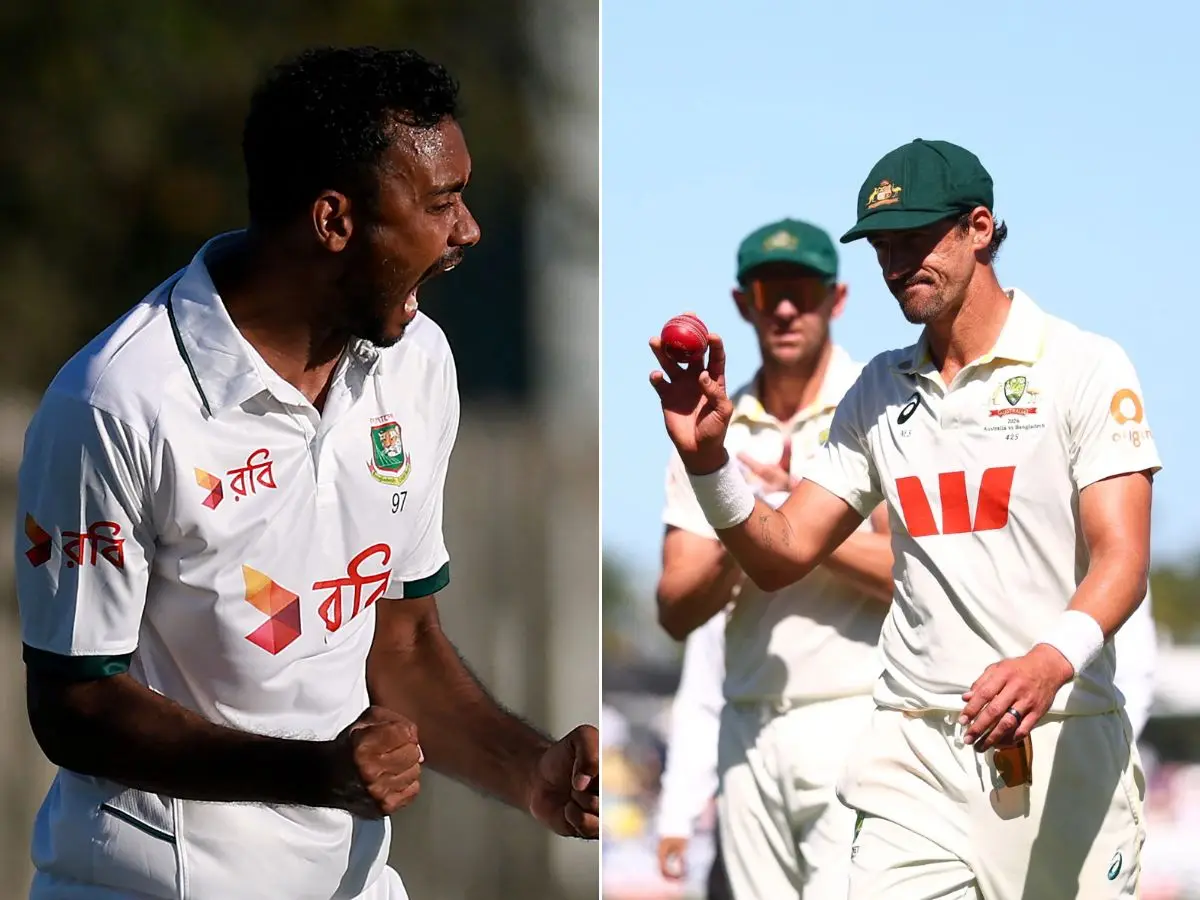
Starc, Shoriful Claim Six-Fors in 18-Wicket Mackay Test
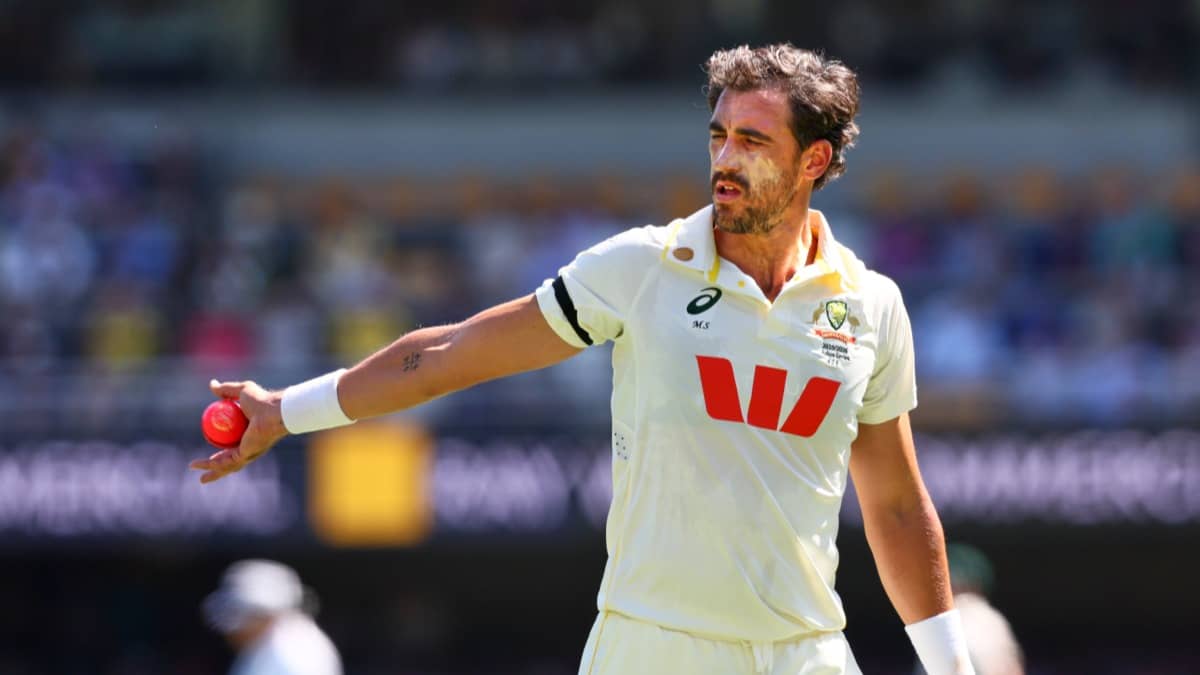
Mitchell Starc Becomes Most Successful Left-arm Bowler in Test History
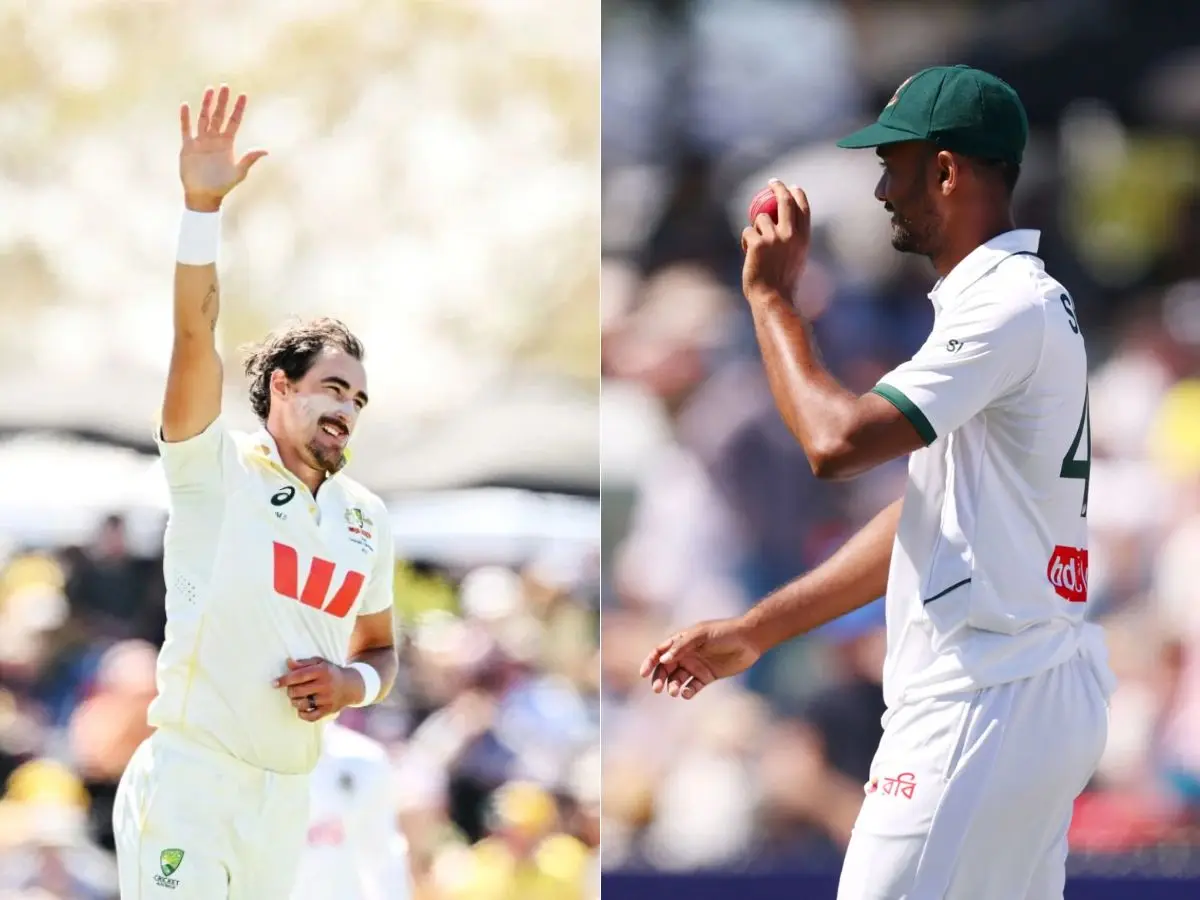
Australia Rolled for 210 as Shoriful Stars, Starc Strikes Back
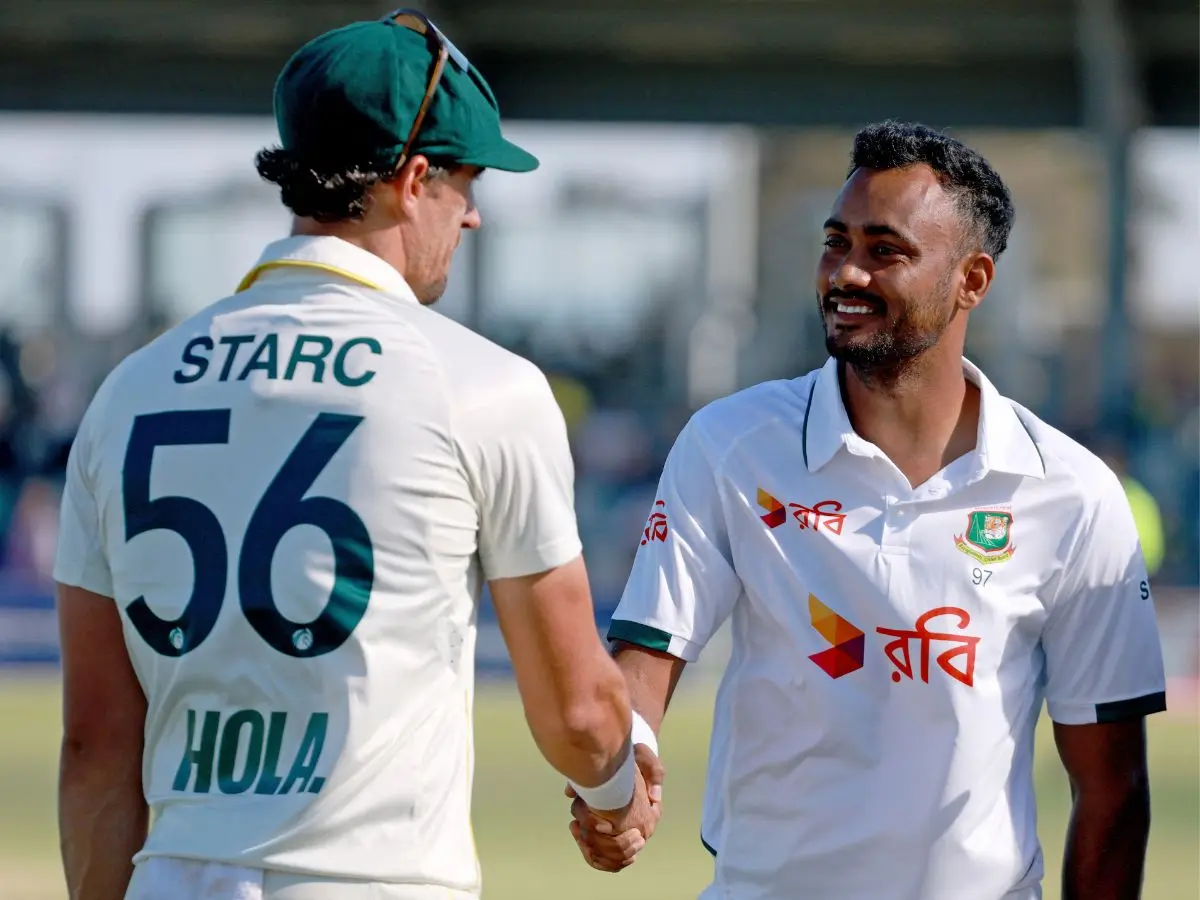
Australia Crush Bangladesh to Level Test Series in Mackay

Bangladesh bowl out Australia for record-low 198 in Darwin Test
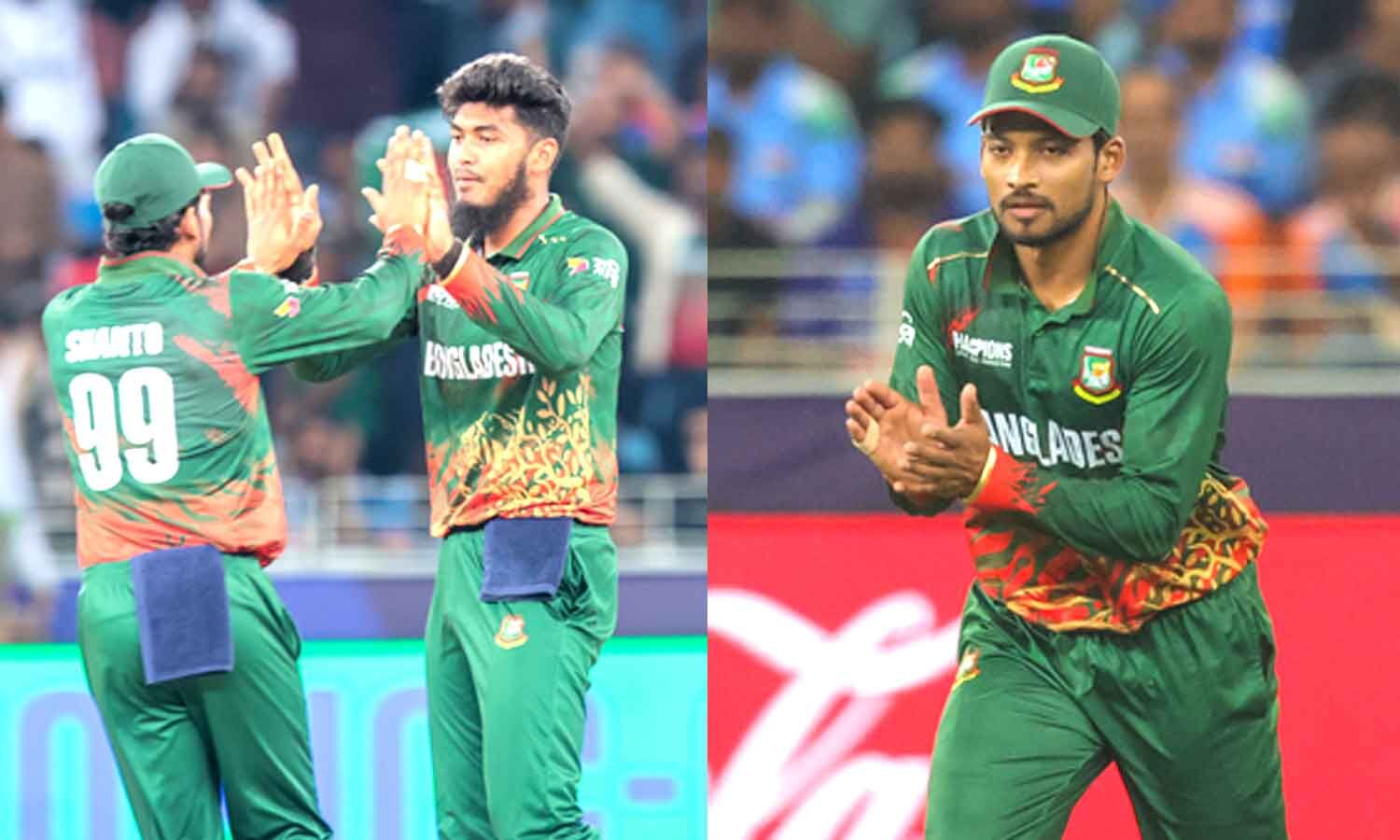
Bangladesh Recall Shanto, Mahmud for Asian Games T20 Squad
Sharma and Malik Share Halfway Lead at Golconda Masters
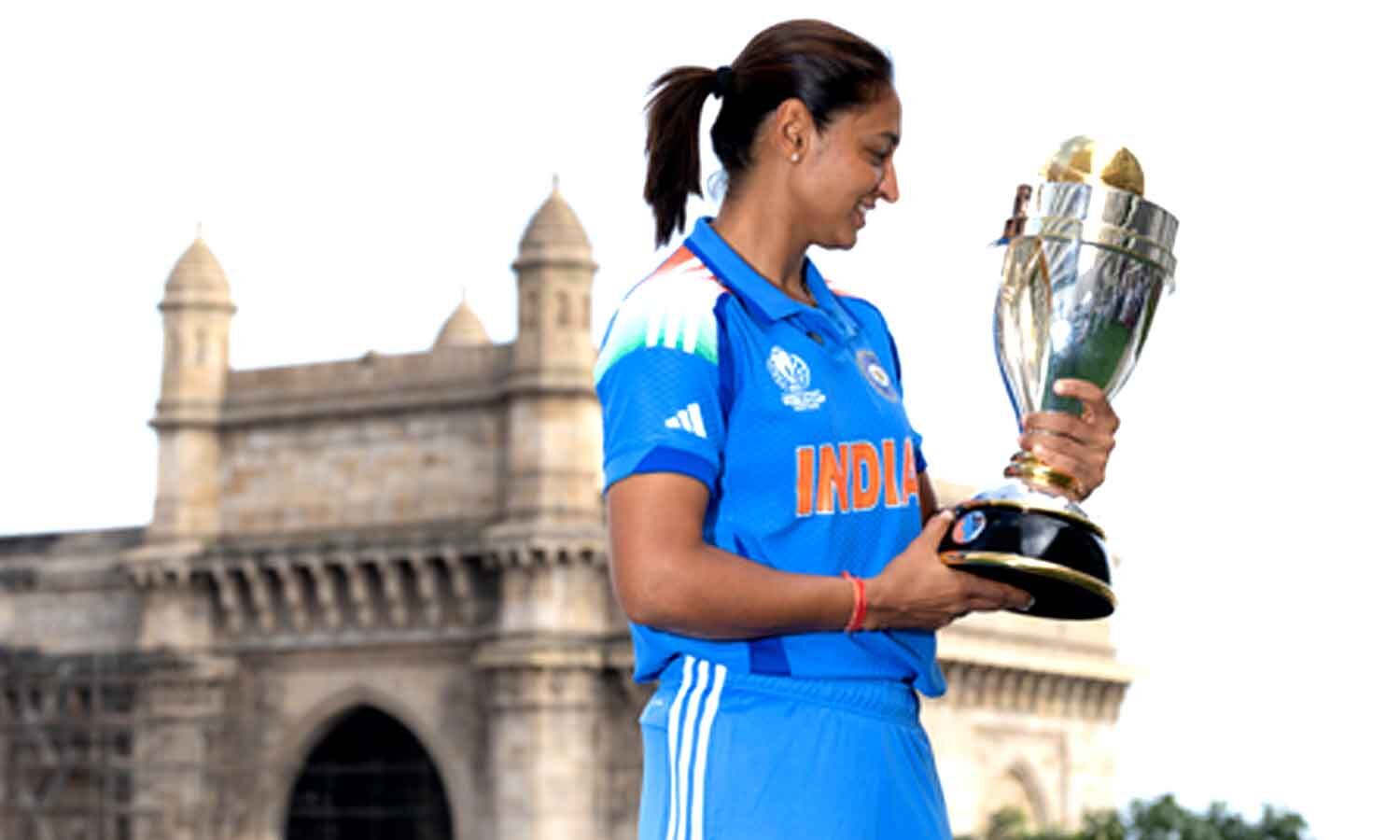
India Replaces Sri Lanka as 2027 Women’s Champions Trophy Host

Centre Assures JDU Bihar’s Interests In Farakka Treaty Decision

India’s Record Wheat Harvest Opens $1.5 Billion Export Window