

14 hrs ago
Satya Niketan’s Student-Housing Boom Raises Safety Concerns
Satya Niketan began as a residential colony with small plots of land.
Over time, it became popular because it is close to Delhi University colleges.
Many students need rooms because the university has far fewer hostel places than students.
As a result, houses were changed into paying guest accommodations and private hostels.
Shops, eateries, coaching centres and printing businesses also grew there.
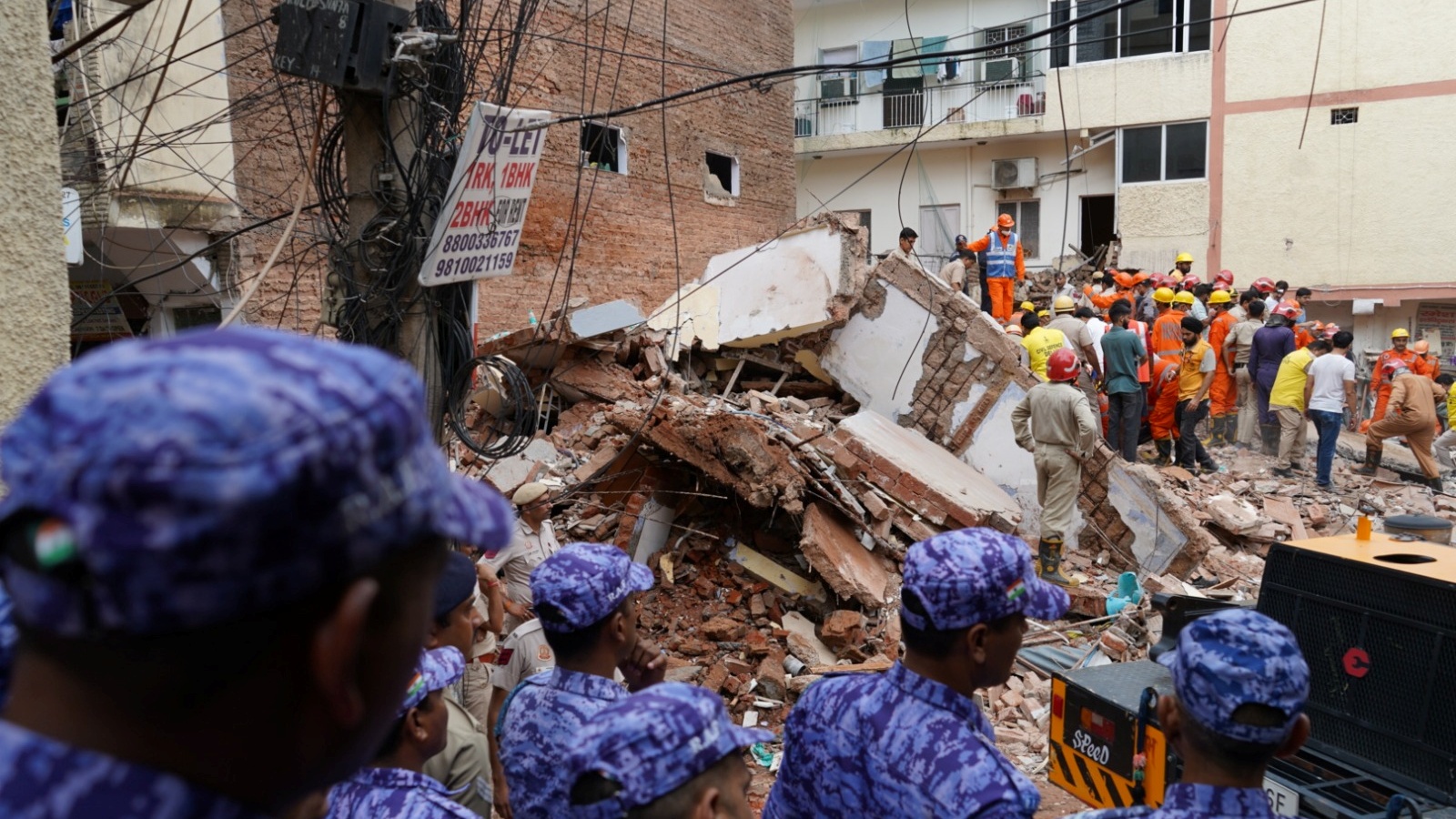
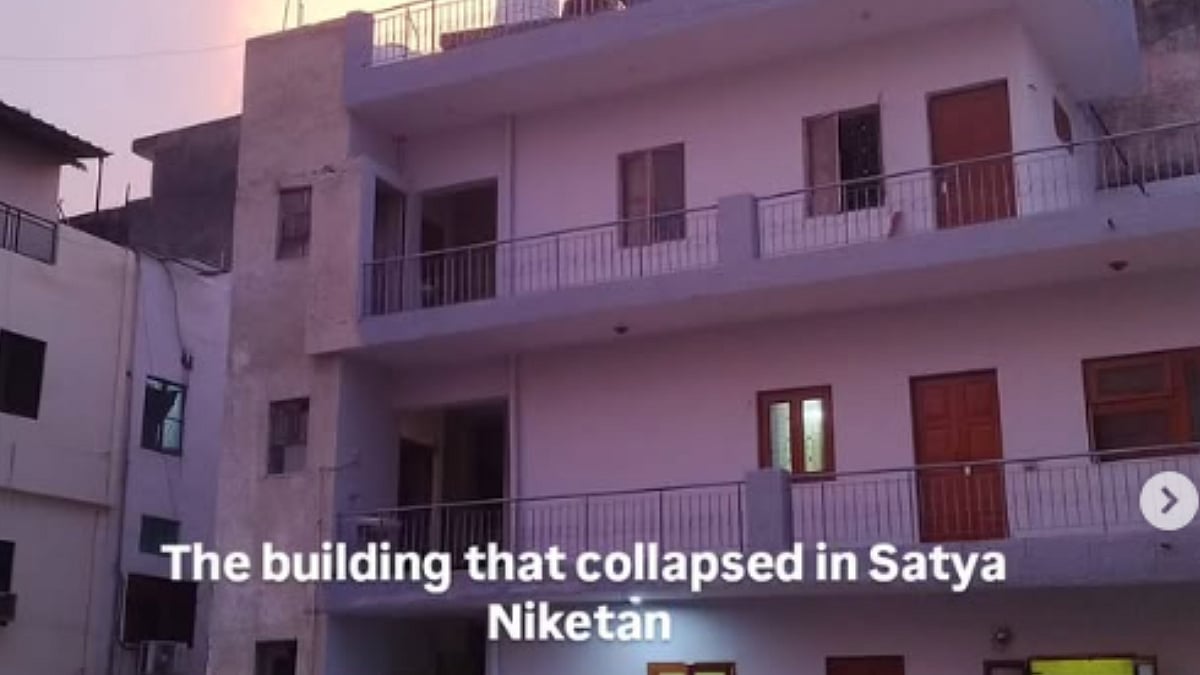
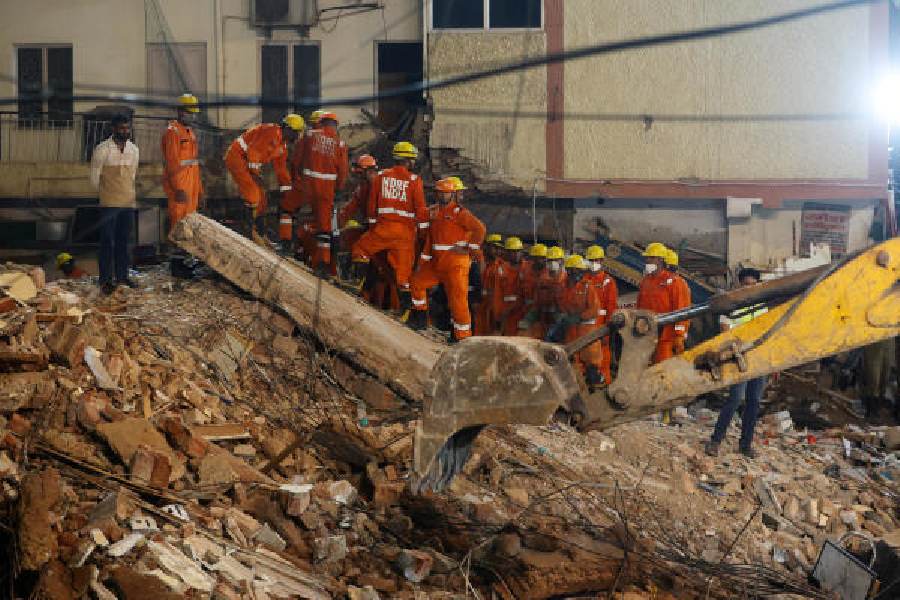
On Sunday, a five-storey building being used as a hostel collapsed, killing at least five people.
Experts say some buildings may hold many more people than they were designed for.
They also say construction changes and weak checks can make buildings unsafe.
They want clearer rules and stronger inspections for student housing.

Satya Niketan developed as a DDA resettlement colony in 1968 on small residential plots.
Its location beside Delhi University’s South Campus helped transform the area into a student-housing hub.
Limited university hostel capacity has pushed students toward private hostels and paying guest accommodation nearby.
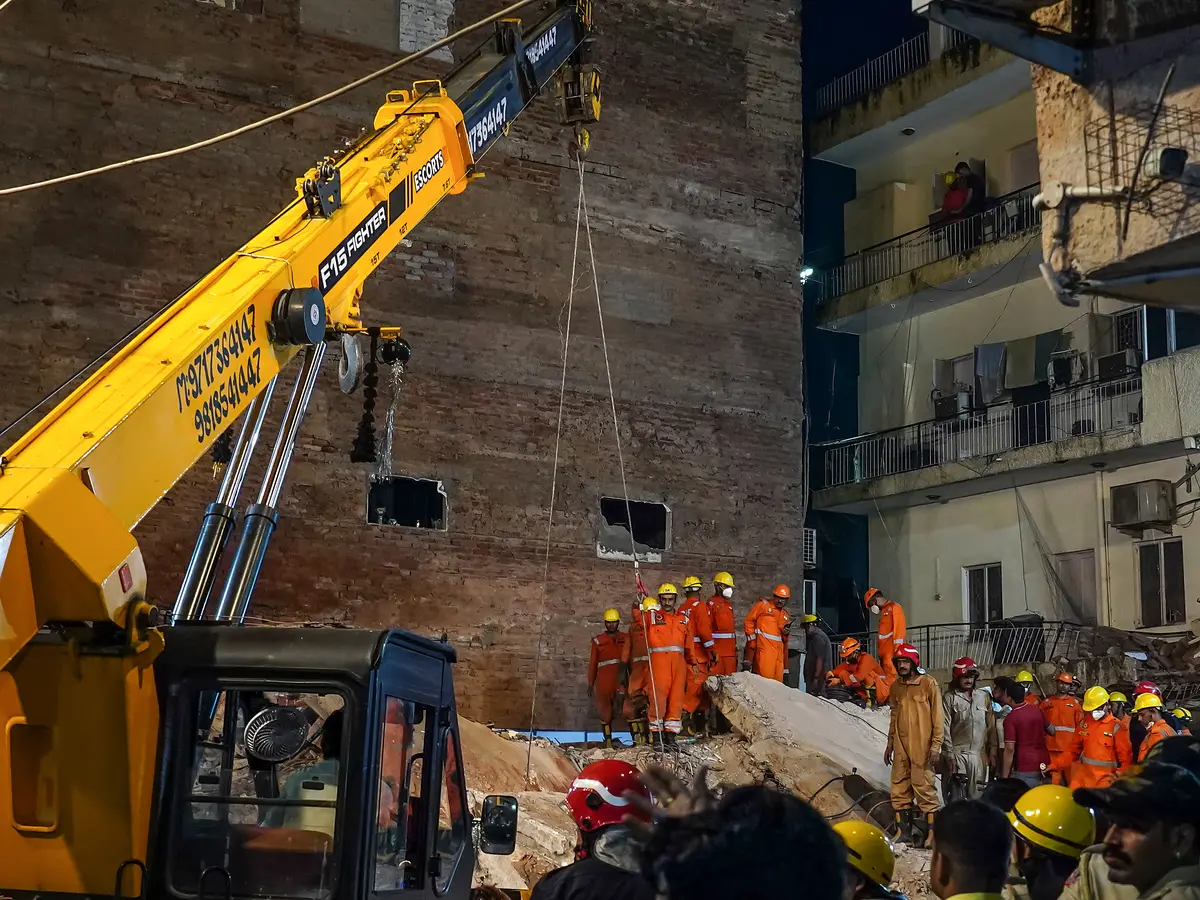
A five-storey building converted into a hostel collapsed on Sunday, killing at least five people and injuring several others.
Experts say unregulated conversions, overcrowding, structural modifications and weak enforcement have increased safety risks.
- Who
- Students, property owners, private hostel operators, Delhi University and local planning authorities are involved; at least five people died in the building collapse.
- What
- Satya Niketan has grown from a residential resettlement colony into a student-housing and commercial hub, while experts have warned about overcrowding, illegal modifications and safety risks.
- Where
- Satya Niketan, Delhi, beside Delhi University’s South Campus and near the Ring Road, San Martin Marg and Nanakpura.
- When
- The area was developed in 1968; Delhi University established South Campus in 1973, and the building collapse occurred on Sunday.
- Why
- Its proximity to colleges, high rental demand and limited university hostel accommodation encouraged residential properties to be converted into student housing and businesses.
Demand and Urban Adaptation
Safety and Regulation
Why the area changed
Demand and Urban Adaptation
Satya Niketan’s location beside Delhi University colleges and the shortage of university hostel rooms created strong demand for nearby private accommodation.
Safety and Regulation
Experts say rising land values and rental demand have encouraged owners to modify buildings and use residential properties for commercial lodging.
Private student housing
Demand and Urban Adaptation
Private hostels and paying guest facilities provide students with accommodation close to campus, alongside shops and services tailored to their needs.
Safety and Regulation
Experts argue that student housing cannot operate as an unregulated market and needs enforceable standards for occupancy, ventilation, electricity, water, fire safety and licensing.
Building modifications
Demand and Urban Adaptation
Redevelopment and adaptation have allowed small residential plots to serve a much larger student population.
Safety and Regulation
Architects warn that overcrowding and work such as basement excavation beneath existing buildings can compromise foundations, utilities and structural stability.
Key facts
- Original development
- The Delhi Development Authority developed Satya Niketan in 1968 under the Jhuggi Jhopri Removal scheme.
- Plot size
- Residential plots were laid out at up to around 40 square metres.
- University students
- Delhi University’s 2024-25 annual report records more than 2.45 lakh regular students.
- University hostels
- The university’s financial estimates list 18 university-run hostels.
- Collapse
- A five-storey building converted into a hostel collapsed on Sunday, killing at least five people and injuring several others.
- Reported occupancy
- One expert said buildings designed for about 18 occupants may house 40 to 60 tenants.
- Regulatory concerns
- Experts cited possible missing completion certificates, fire clearances and trade licenses, as well as overcrowding and structural modifications.
Quotes
Suptendu Biswas
Architect and urban designer.
“If basement excavation or any similar structural modification was being carried out beneath an existing building, it would be a very sophisticated engineering exercise. When you retrospectively excavate beneath a building that is already standing, you are interfering with the system that is carrying the load.”
 indianexpress.com
“PG accommodation cannot function as an entirely unregulated market. Whether a PG is licensed or unlicensed, there has to be transparency about what is permitted and what basic standards have to be met.”
indianexpress.com
Sources
Related news
Satya Niketan PG Collapse Renews Questions Over Student Housing Safety
Satya Niketan Students Face Costly, Crowded PG Living Conditions

Satya Niketan Collapse Puts Student Housing Safety On Poll Agenda
Satya Niketan Hostel Collapse Prompts Rescue and Student Aid
Manoj Jha Seeks Urgent Action After Satya Niketan Collapse
Five Dead After South Delhi PG Building Collapse
September 8 Assembly Headlines Span India, World, Sports and Education

Rahul Gandhi Slams Modi Over Fatal Delhi Building Collapse

CJP Seeks Compensation, Audit After Satya Niketan Building Collapse

Delhi Gold Prices Fall ₹650 Amid Weak Global Cues