1 week ago
US Pauses New Iran Strikes, Intensifies Sanctions and Hormuz Pressure
The United States is reportedly pausing plans for new large attacks on Iran for now.
Instead, it wants to pressure Iran by restricting its money and trade.
Other countries and companies that do business with Iran could also face penalties.
The United States is also using naval operations to help ships travel through the Strait of Hormuz.
This waterway is important for energy shipments.
The United States says it could still respond with military force if Iran attacks first.
Some American diplomats are returning to nearby posts after being evacuated.
Officials hope continued pressure might eventually encourage Iran to negotiate.

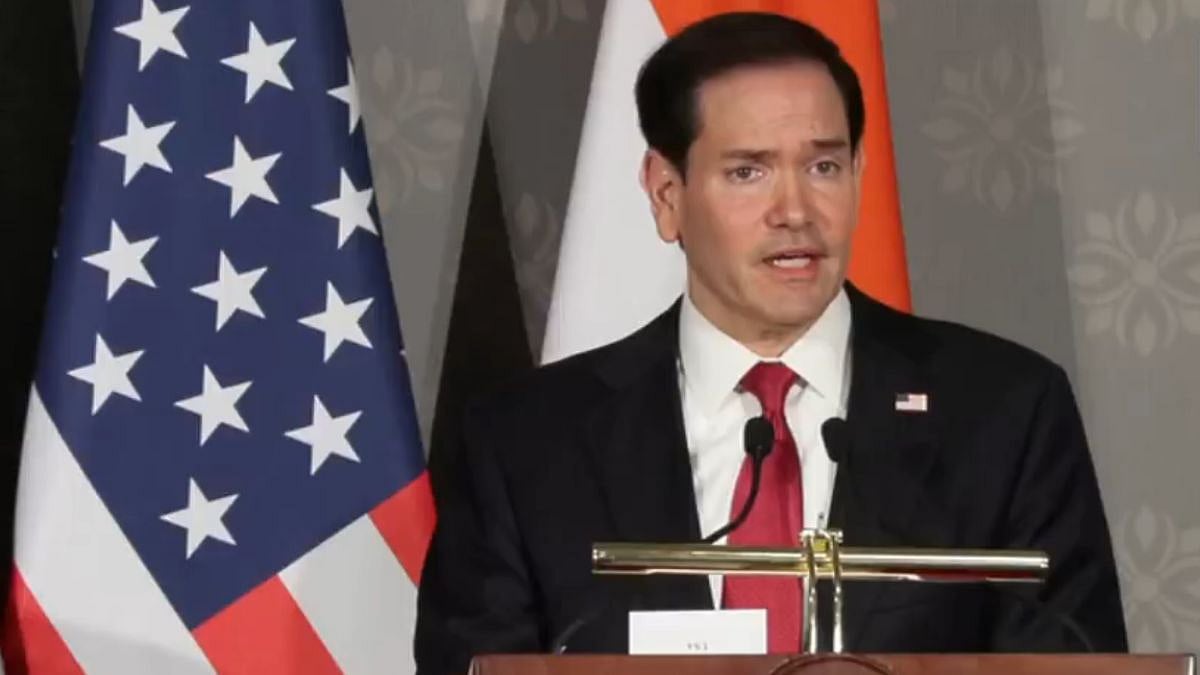
Secretary of State Marco Rubio reportedly told allied foreign ministers that the United States will not launch new strikes on Iran for the time being.
Washington is shifting toward sanctions described by the administration as economic “asphyxiation,” including possible secondary penalties on foreign businesses and financial institutions.
US naval mine-clearing operations reportedly helped restore commercial tanker traffic through the southern lanes of the Strait of Hormuz.
The United States has not ruled out military action if Iran attacks first, while the lower-intensity strategy could continue until after the US midterm elections.
Some US personnel evacuated from regional embassies are being authorized to return as Washington seeks to restore its diplomatic presence in West Asia.
- Who
- The United States, Secretary of State Marco Rubio, Treasury Secretary Scott Bessent, Iran, allied governments, and businesses involved in trade with Iran.
- What
- The United States is reportedly pausing new strikes on Iran while increasing sanctions and maritime pressure.
- Where
- The strategy concerns Iran, the Strait of Hormuz, and US diplomatic posts in West Asia.
- When
- The pause is reportedly in effect for the time being; one US official said the approach could continue until after the US midterm elections.
- Why
- Washington is seeking to pressure Iran economically, protect commercial shipping, and potentially encourage negotiations without immediately expanding military operations.
Key facts
- Reported military policy
- New large-scale US strikes on Iran are reportedly on hold for the time being.
- Economic pressure
- The administration has described its sanctions campaign as economic “asphyxiation” of Iran's regime.
- Secondary sanctions
- Foreign governments, companies, and financial institutions continuing to do business with Iran could face penalties.
- Hormuz operations
- US naval mine-clearing operations reportedly helped restore commercial tanker traffic through southern Strait of Hormuz lanes.
- Military exception
- The United States reportedly remains prepared to respond militarily if Iran attacks first.
- Possible duration
- One US official said the lower-intensity pressure strategy could continue until after the midterm elections.
- Diplomatic presence
- Some personnel evacuated from regional embassies are being authorized to return.
Sources
Related news

Trump Shifts Iran Strategy Amid Strait Of Hormuz Deadlock
Trump Bets on Economic Pressure, 'Low-Keying It' Against Iran

Rubio Tells Allies No New Iran Strikes for Now

Rubio Informs Allies US Plans No New Strikes on Iran
Trump says US 'low-keying' standoff with Iran, like chess

US Promises New 'Never-Seen-Before' Economic Measures Against Iran

Iran Seizes Fuel-Smuggling Vessel in Gulf, Arrests 11 Crew
Trump Floats Renaming Strait of Hormuz as “Trump Strait”

Chevron Plans $7 Billion Venezuela Expansion Amid U.S. Oil Push
Saudi Tanker Hit in Hormuz, Killing Two Filipino Sailors

U.S.-Iran Exchange Escalates Across Middle East, Markets Slide