4 days ago
Gidugu Venkata Ramamurthy and the Rise of Spoken Telugu
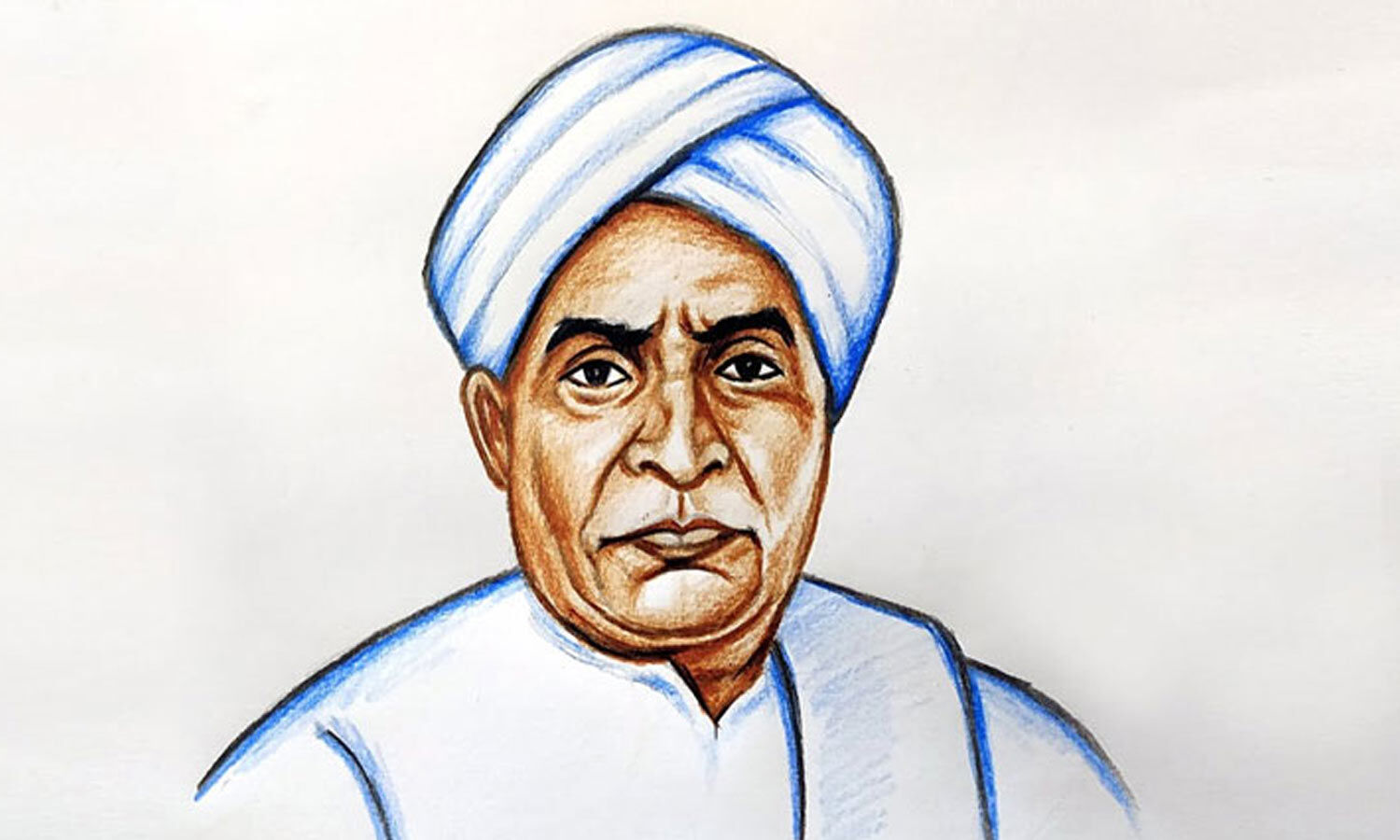
Gidugu Venkata Ramamurthy was an important reformer of the Telugu language.
He wanted people to use the Telugu they spoke in everyday life.
At that time, formal writing often used an older style called Granthika.
He showed that spoken Telugu could be used in schools, books, and public life.
He also learned the Savara language and helped Savara children study their mother tongue.
He wrote books about both Savara and Telugu.
He researched old inscriptions at temples near Mukhalingam.
Telugu Language Day is celebrated on his birthday to remember his work.

Gidugu Venkata Ramamurthy was born on 29 August 1863 near Mukhalingam.
He helped shift Telugu from the formal Granthika style toward the spoken language used in daily life.
He studied the Savara language, established schools, and published Savara books, including a grammar and dictionary.
After retiring from teaching in 1911, he focused on reforming Telugu language and literature.
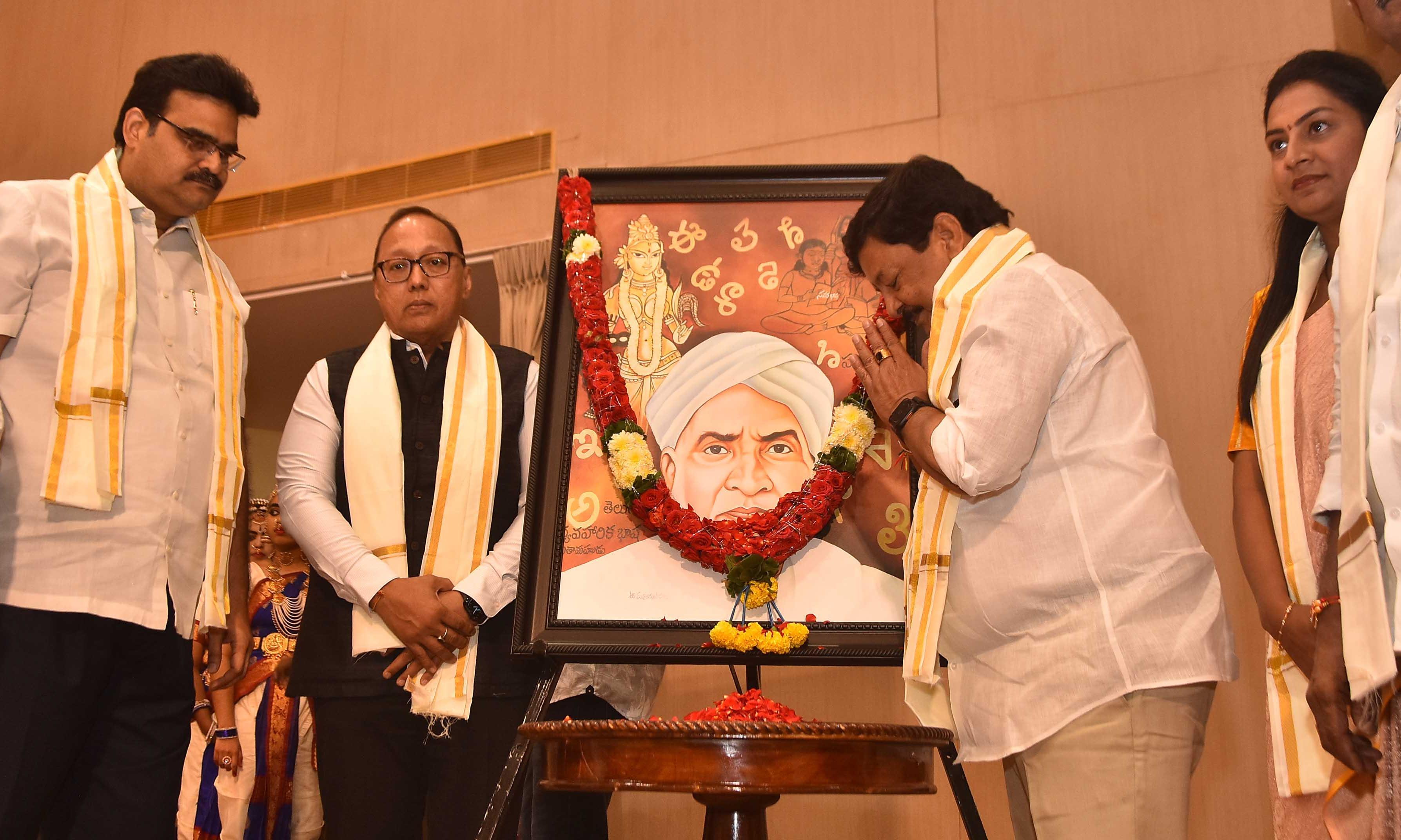
His birth anniversary is observed annually on 29 August as Telugu Language Day.
- Who
- Gidugu Venkata Ramamurthy, a Telugu language and social reformer.
- What
- He promoted spoken Telugu, studied the Savara language, researched inscriptions, and wrote works on language and literature.
- Where
- He was born in Parvatalapeta village near Mukhalingam and worked primarily in the Telugu-speaking region and nearby areas.
- When
- He was born on 29 August 1863; Telugu Language Day is observed every year on 29 August.
- Why
- He sought to make Telugu more accessible by replacing reliance on the older Granthika style with spoken Telugu in education, literature, and social work.
Key facts
- Birth
- 29 August 1863, Parvatalapeta village near Mukhalingam
- Education
- He earned a B.A. degree by 1896 and secured second rank in his state.
- Teaching career
- He retired in 1911 after 35 years of service.
- Savara scholarship
- He published a Savara grammar in England in 1931 and a Savara-English dictionary in 1936.
- Government honor
- The Madras government conferred the title Rao Bahadur on him in 1913.
- Notable works
- His works included Savara Kathalu, Vyasavali, Gadya Chintamani, and Vyasa Sangrahamu.
- Commemoration
- His birth anniversary is celebrated as Telugu Language Day.
Sources
Related news
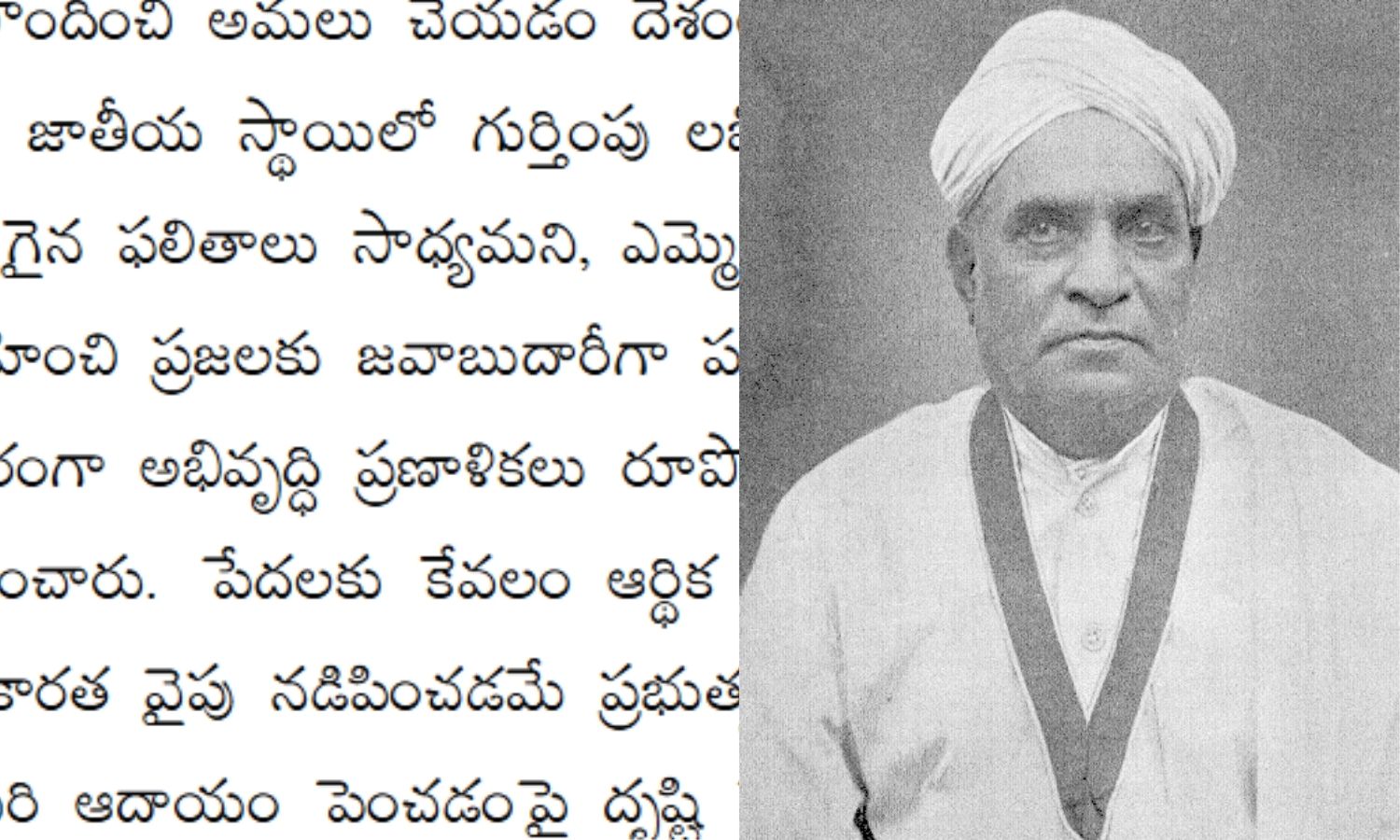
Telugu Language Day Honors Gidugu’s Push for Simple Telugu

Chandrababu Naidu Greets Telugu People on Language Day
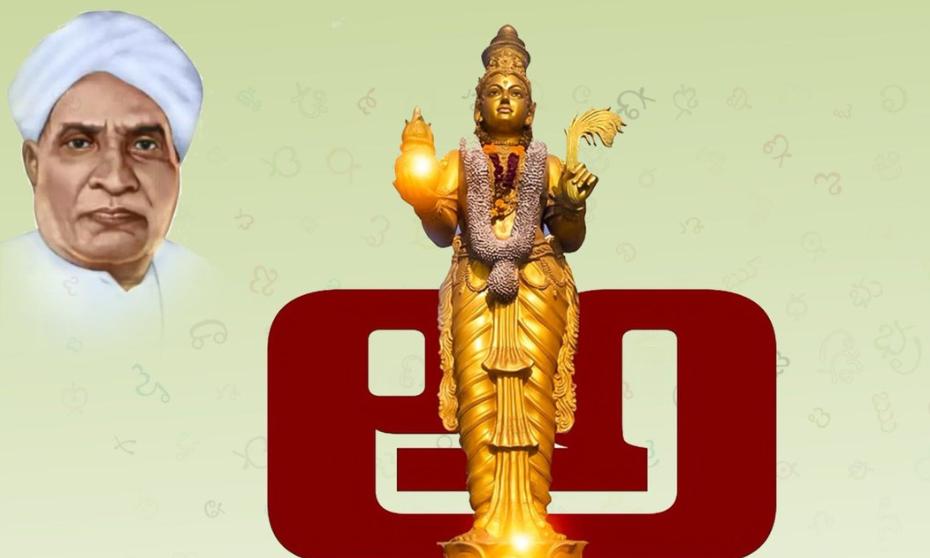
Andhra Pradesh Governor Abdul Nazeer Hails Telugu Language Day

Telugu Bhasha Dinotsavam Celebrated Across Visakhapatnam With Enthusiasm
Andhra Pradesh Plans Nandi Theatre Festival, Telugu Promotion