

9 months ago
COP30: Climate Diplomacy Survives Amid Fossil Fuel Tensions
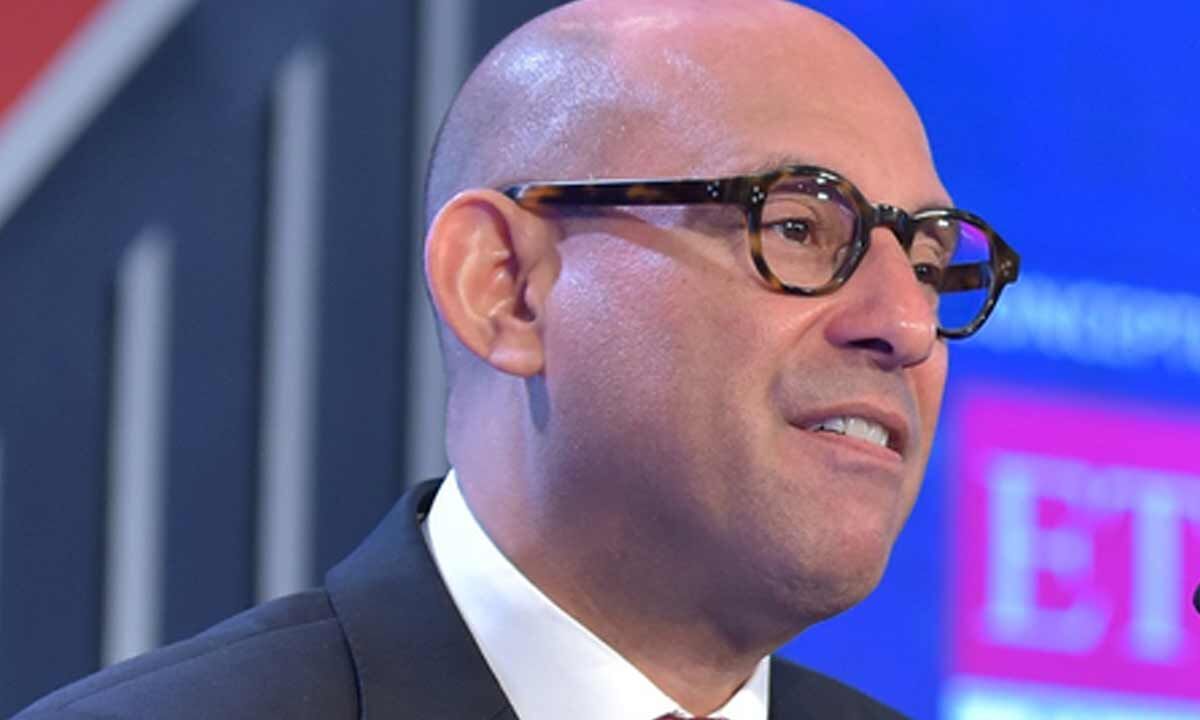
At the UN's 30th climate conference (COP30) in Brazil, world leaders and Indigenous representatives came together to discuss and agree on climate action.
Despite political challenges, they showed unity in supporting climate cooperation.
The conference focused on transitioning away from fossil fuels and implementing existing climate commitments.
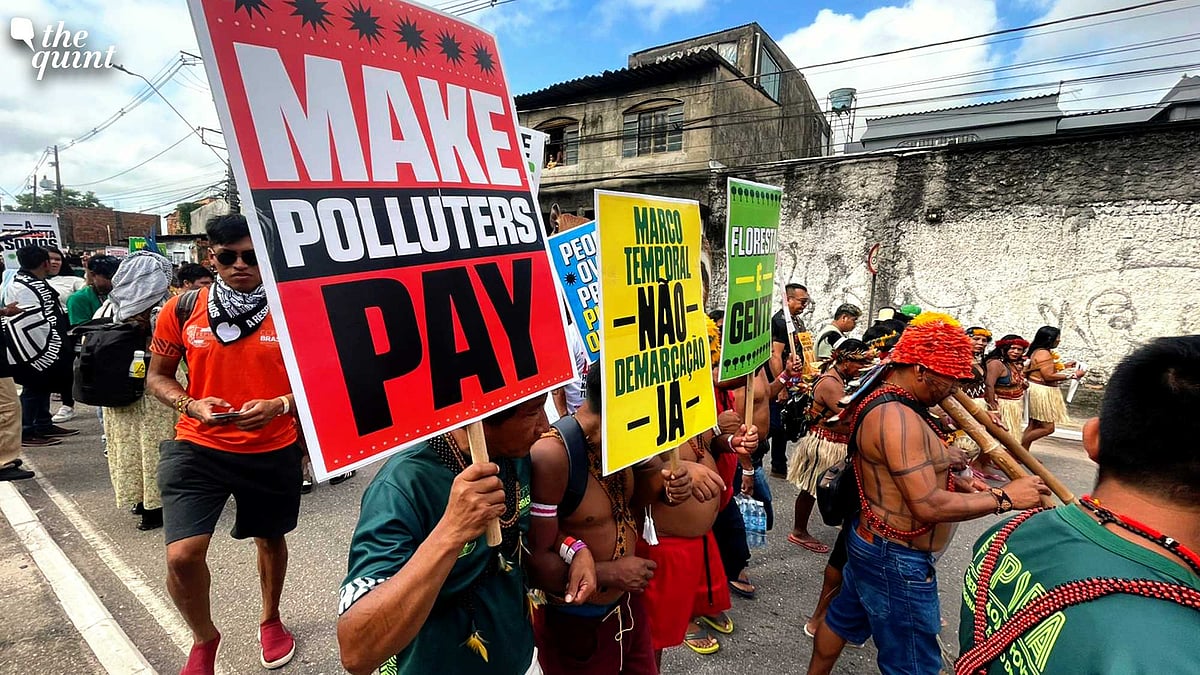
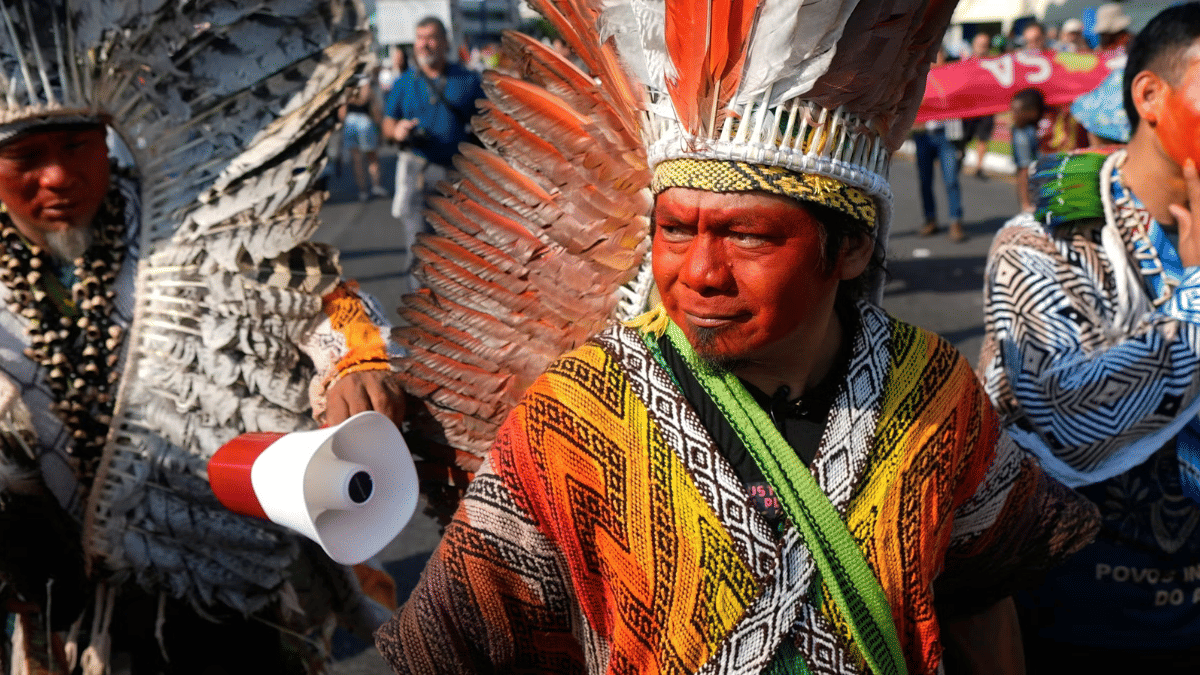
Indigenous peoples, who have been historically marginalized, played a significant role this year, pushing for recognition of their land rights and fair financing.
They emphasized their unique knowledge and leadership as vital for effective climate solutions.
The conference ended with commitments to protect Indigenous lands and improve climate finance mechanisms, although the final deal was less ambitious than some had hoped.

COP30 negotiations focused on transitioning away from fossil fuels, with the EU, UK, and other nations insisting on a deal that advances the commitment made at COP28 in Dubai.
Brazil's President Lula da Silva and Environment Minister Marina Silva pushed for road maps to reverse deforestation and overcome dependence on fossil fuels, gaining momentum among ambitious countries and Indigenous representatives.
The final agreement acknowledged the Dubai fossil fuels commitment but lacked a concrete plan for transition, with a separate initiative to consider road maps for shifting away from fossil fuels and combatting deforestation over the next year.
Indigenous peoples' unique knowledge and leadership were recognized as crucial for effective climate solutions, with over 3,000 Indigenous representatives pushing for climate justice centered on land rights and fair financing.
The conference ended with commitments to protect 160 million hectares of Indigenous and community lands by 2030 and to triple finance for climate adaptation by 2035, although the final deal was less ambitious than some had hoped.
- Who
- UN Climate Change Executive Secretary Simon Stiell, over 3,000 Indigenous representatives, world leaders, and diplomats from various countries
- What
- Attended and negotiated climate action at COP30, with a focus on fossil fuel transition and climate finance
- Where
- Belem, Brazil
- When
- COP30 took place in Belem, Brazil, with the final document approved on November 19, 2023
- Why
- To discuss and agree on global climate efforts and cooperation, particularly focusing on transitioning away from fossil fuels and implementing climate commitments
Key facts
- COP30 Duration
- About two weeks
- Indigenous Delegates
- Over 3,000
- Land Pledge
- 160 million hectares of Indigenous and community lands by 2030
- Funding Pledged
- A$7.6 billion for the Tropical Forests Forever Fund
- Funding Renewal
- A$2.7 billion for the Forest Tenure Funders Group
Timeline
Prince William engaged Welsh communities, setting stage for Indigenous support.
He endorsed Indigenous roles in nature protection and climate action in 2025.
Indigenous leaders demanded action, uniting at Amazon summit.
Brazil promised 10 new territories, boosting Indigenous resolve at COP30.
World leaders and Indigenous reps united, committing to protect lands and improve climate finance.
Quotes

Ed Miliband
UK's energy secretary
“There was a will to make sure this agreement didn't fall. Nobody in that room really wanted to be the people who brought the thing down. Instead, there was actually a will to keep the show on the road.”
 NDTV
NDTV
Simon Stiell
UN climate change executive secretary
“We knew this COP would take place in stormy political waters. COP30 showed that climate cooperation is alive and kicking.”
NDTV

Luiz Inacio Lula da Silva
President of Brazil
“The climate regime is not immune to the rationale of the zero-sum game that has prevailed in the international order. We must chart pathways and secure the financial resources and technical support needed to reduce the high dependence on these fuels.”
NDTV
Vicente Imhof
Franciscan friar
“We keep hearing proposals, but what matters are concrete actions. Being overly diplomatic just to avoid confronting those in power hasn't worked since the time of Jesus Christ.”
NDTV

Marina Silva
Brazil's environment minister
“We must chart pathways and secure the financial resources and technical support needed to reduce the high dependence on these fuels.”
NDTV

Rachel Kyte
UK's special representative for climate
“This is one of those things that gathers energy.”
NDTV

Tina Stege
Envoy from the Marshall Islands
“The transition away from fossil fuels is key to keeping the door open to 1.5C. So let's get behind the idea of a fossil fuels road map, work together and make a plan.”
NDTV

André Corrêa do Lago
COP30 President
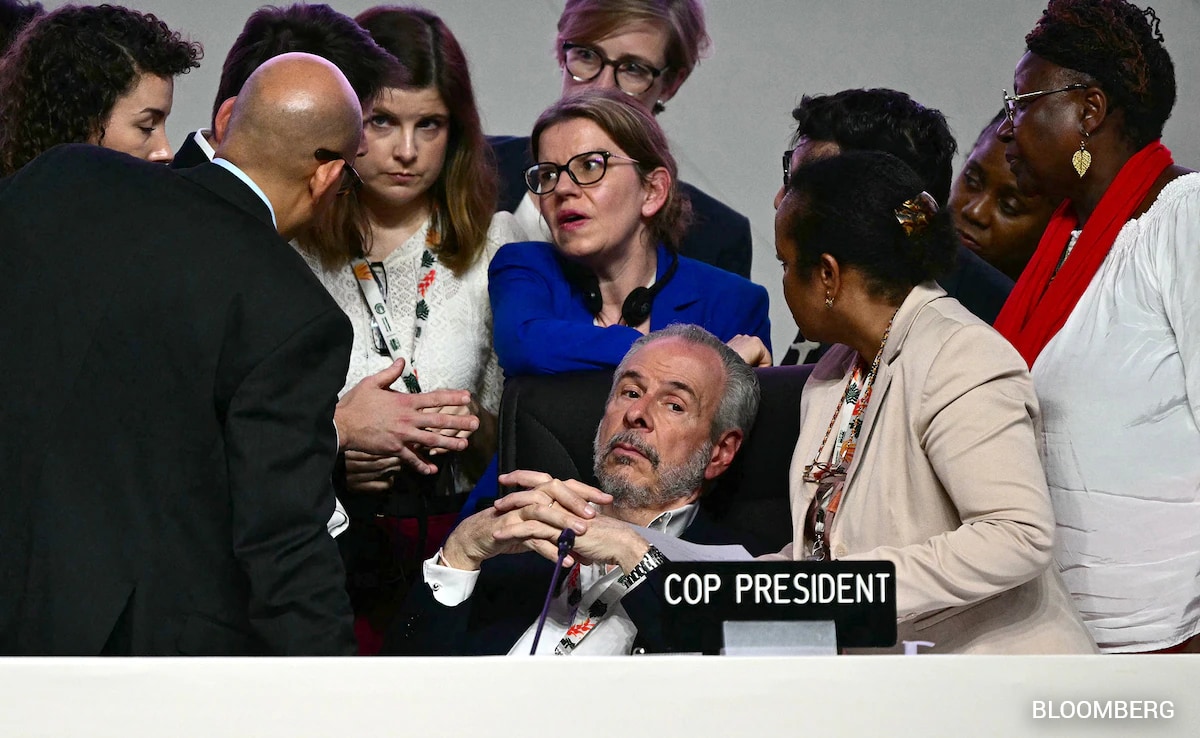
“I know some of you had higher ambitions. I will try not to disappoint you.”
NDTV
Rachel Cleetus
Senior policy director with the Union of Concerned Scientists
“There is no way to achieve global climate goals without collective action. How can a small island state force the EU to do anything? Multilateralism is the only way to give voice to those with less geopolitical power.”
NDTV
Sources
COP30: A Decade After Paris, Climate Diplomacy Is About Saving Itself
Explained: 4 Key Takeaways from COP30's Stalled 'Implementation' Agenda

India calls for equity, climate finance and justice at CoP30
Global climate cooperation holds firm despite turbulent geopolitics: UN climate chief
‘Our land is not for sale.’ Indigenous peoples finally have a voice at COP30
Related news

COP30: Climate Talks Fall Short on Action

Brazil's Belem Pioneers Bioeconomy to Protect Amazon Rainforest
Brazil's Planned Railway to Amazon Sparks Indigenous Protests at COP30
COP30: Brazil's Lula Optimistic Despite Early Deal Setback; India's Role in Adaptation & Finance
