

9 months ago
Brazil's Planned Railway to Amazon Sparks Indigenous Protests at COP30
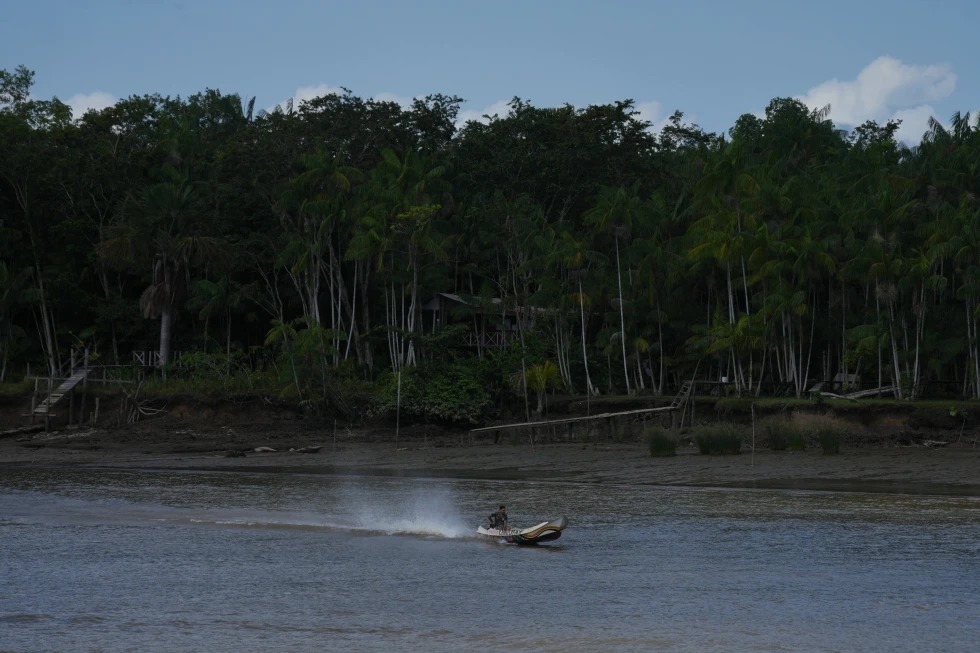
Indigenous people in Brazil are upset about a planned railway that would cut through the Amazon rainforest.
Some people think it will help farmers and reduce pollution, but others say it will hurt the environment and native communities.
The project's future is still being decided in court.

Indigenous protesters at COP30 criticize Brazil's planned Ferrograo railway through the Amazon
Supporters argue the railway will boost agribusiness and reduce emissions
Critics warn of deforestation, land grabbing, and environmental damage
The project's licensing process is ongoing, with a Supreme Court hearing paused
- Who
- Indigenous protesters, Brazilian farmers, President Luiz Inacio Lula da Silva's government
- What
- Protesting and debating a planned railway through the Amazon
- Where
- Belem, Brazil
- When
- During COP30 climate talks in Brazil
- Why
- To transport grain more efficiently (supporters), to protect the environment and native communities (critics)
Supporters of the Railway
Critics of the Railway
Efficiency and Emissions
Supporters of the Railway
The railway will reduce logistics costs and CO2 emissions by 40%
Critics of the Railway
The project's environmental impact assessment is insufficient to protect the rainforest and its residents
Land Use and Deforestation
Supporters of the Railway
The railway will reduce road traffic and associated emissions
Critics of the Railway
The railway will drive deforestation and land grabbing, impacting Indigenous lands and communities
Key facts
- Railway Name
- Ferrograo
- Length
- 933 kilometers (580 miles)
- Start Point
- Sinop, Mato Grosso
- End Point
- Miritituba, near the Amazon River
- Potential CO2 Emission Reduction
- Up to 40%
- Current Status
- Licensing process ongoing, Supreme Court hearing paused
Quotes
Elisangela Pereira Lopes, technical advisor with the CNA
Elisangela Pereira Lopes is a technical advisor with the CNA, Brazil's main farmer's organization.
“The railway was 'essential to guarantee the competitiveness of Brazilian agribusiness'.”
 NDTV
NDTV
“Mato Grosso 'needs a more efficient logistics route to keep pace with the sector's growth'.”
NDTV
Mariel Nakane, Socio-Environmental Institute (ISA)
Mariel Nakane is an activist with the Socio-Environmental Institute, an organization focused on environmental and social issues in Brazil.
“The railway will impact Indigenous lands and drive deforestation and land grabbing.”
NDTV
“Riverside communities are being expelled... they can no longer fish in some regions because now it's just ports and this barge traffic.”
NDTV
Alessandra Korap, Indigenous leader of the Munduruku people
Alessandra Korap is an Indigenous leader representing the Munduruku people, who live in the Amazon rainforest.
“We will not allow it because it is our home, our river, our forest.”
NDTV
“The river is the mother of the fish.”
NDTV
Sources
Related news

COP30: Climate Talks Fall Short on Action
COP30: Climate Diplomacy Survives Amid Fossil Fuel Tensions

Brazil's Belem Pioneers Bioeconomy to Protect Amazon Rainforest
COP30: Brazil's Lula Optimistic Despite Early Deal Setback; India's Role in Adaptation & Finance
