4 days ago
Mary Beard Finds Wonder—and Unease—in the Classical Past
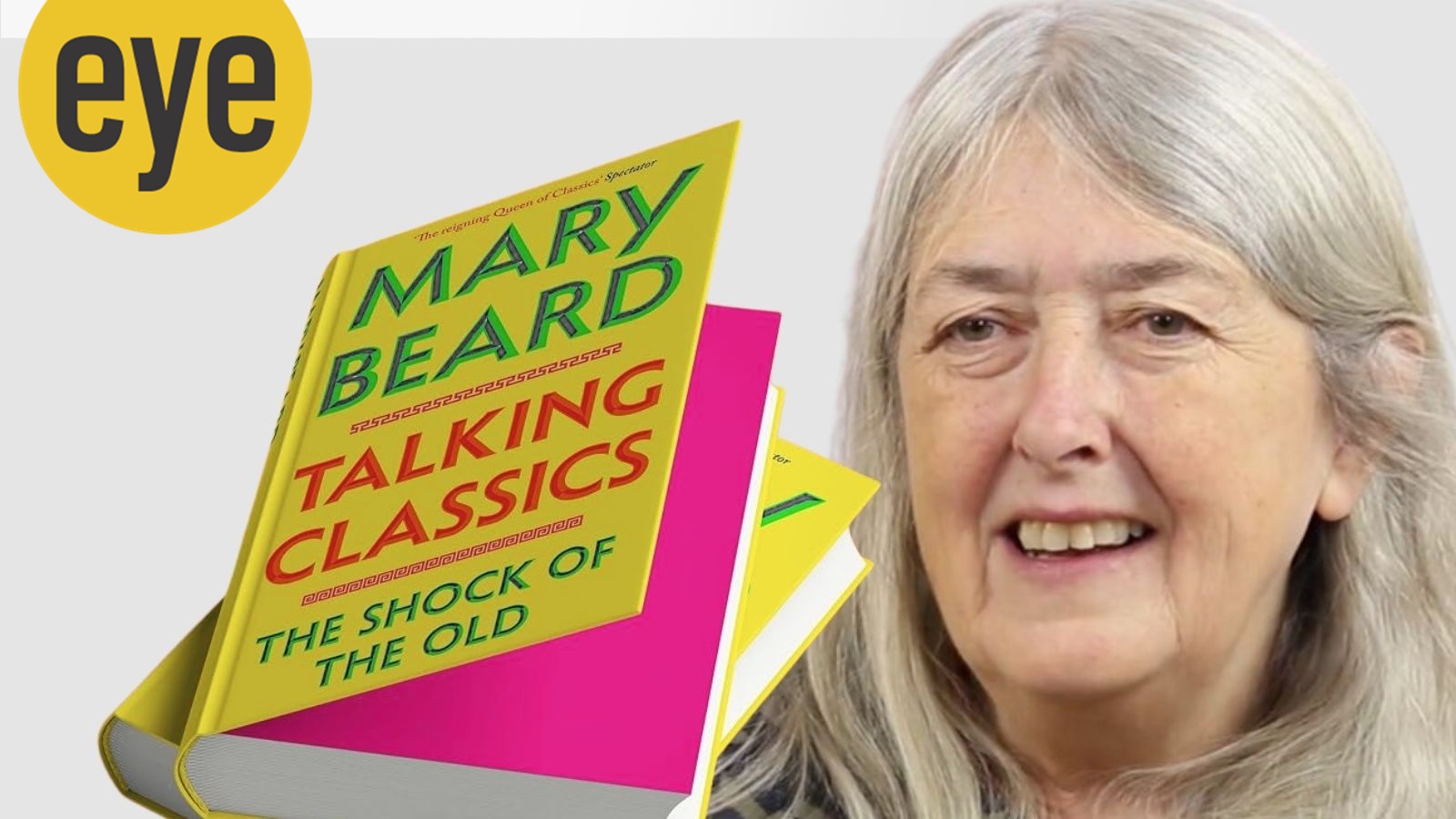
Mary Beard is a historian who studies ancient Greece and Rome.
Her interest began when she saw a very old piece of Egyptian bread at the British Museum.
The bread made her feel wonder because it connected her to an ordinary person who lived thousands of years ago.
In her book, she explains that the past can seem familiar and strange at the same time.
She does not say that ancient people had all the answers.
She also does not think we should ignore ancient history because some groups have misused it.
Instead, she believes everyone should be allowed to study and debate the past.
The book shows why old history can still surprise people today.

Mary Beard’s book explores how ancient history can still surprise modern readers.
A childhood encounter with 4,000-year-old Egyptian bread helped inspire her fascination with ordinary lives in the past.
Talking Classics: The Shock of the Old is based on lectures delivered at the Universities of Chicago and Edinburgh.
Beard rejects both idealizing antiquity and treating the classical world as completely alien.
She argues that everyone should be able to examine, question and contest the classical past.
- Who
- Mary Beard, a leading classicist, and the people whose ancient lives she studies.
- What
- A review of Talking Classics: The Shock of the Old, a book about the surprise and complexity of studying antiquity.
- Where
- The lectures were delivered at the University of Chicago and the University of Edinburgh; Beard’s childhood encounter occurred at the British Museum.
- When
- The book is based on lectures delivered at the Universities of Chicago and Edinburgh; the reviewer says they read it last week.
- Why
- Beard aims to defend the study of classics while challenging idealized, exclusive or politically misused interpretations of the ancient past.
Critical and Inclusive Reading
Traditional Civilizational Reading
How antiquity should be understood
Critical and Inclusive Reading
Beard presents the classical past as complex, unsettled and open to questioning by everyone.
Traditional Civilizational Reading
Some interpretations treat ancient Greek and Roman culture as a source of timeless wisdom and the foundation of Western civilisation.
What deserves attention
Critical and Inclusive Reading
Beard emphasizes ordinary people, everyday objects and overlooked fragments rather than only famous texts, statues and heroic figures.
Traditional Civilizational Reading
A more traditional approach places greater emphasis on celebrated texts, monuments and heroic figures from antiquity.
Political use of classics
Critical and Inclusive Reading
Beard warns that antiquity has been appropriated by fascists, nationalists and defenders of a narrowly defined Western civilisation.
Traditional Civilizational Reading
Defenders of civilisational unity may invoke Greek and Roman culture as a shared cultural inheritance, a use Beard says can flatten social complexities.
Key facts
- Book
- Talking Classics: The Shock of the Old
- Author
- Mary Beard
- Starting point
- Beard’s childhood encounter with a 4,000-year-old piece of Egyptian bread
- Core idea
- The ancient past is both familiar and strange, and can continue to surprise us.
- Source material
- Lectures delivered at the University of Chicago and the University of Edinburgh
- Historical focus
- Ordinary objects and fragments that reveal how people in antiquity lived
- Contemporary issue
- The use and misuse of Greek and Roman culture in arguments about identity and Western civilisation
Quotes

Mary Beard
Classicist and author of Talking Classics: The Shock of the Old
“Wondering what the past is, how to describe it, treading the tightrope between the idea that inhabitants of the past were just like us and the idea that they were incomprehensibly alien pushes to the very frontiers of understanding.”
 indianexpress.com
“Thauma requires brain work as well as wide eyes.”
indianexpress.com
Sources
Related news

Oscar Wilde Classic Shows Old Literature Need Not Feel Difficult
Anthropic destroying books to make AI data: an existential challenge

Is Writing in Books Ruining Them? Readers Have Long Fought

Noticing Ordinary Moments Can Transform How We Experience Life

A Lifelong Dream Comes Full Circle in Athens

Poems Revisit Icons, History, Love, Grief, and Exclusion
Bayeux Tapestry Loan to England Sparks Controversy
Pivovarov's Documentary Explores Colonial Legacy
Louvre Hikes Fees for Non-Europeans
Hawai‘i: a kingdom crossing oceans exhibition opens