

9 months ago
Schools' Role in Rising Child Suicides

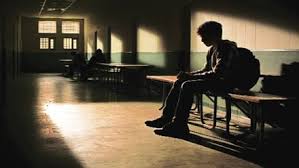
Recently, there have been many sad cases of young children taking their own lives.
Some people think schools might be part of the problem.
Schools sometimes use very strict and hurtful ways to discipline children, like calling them names or punishing them physically.
This can make children feel very bad about themselves, especially if they already have a hard time, like having a disability or not doing well in school.
Parents are also sometimes involved in this cycle of blame and punishment.
To make things better, some people suggest that schools should focus more on keeping children safe and happy.
They also suggest training teachers to be kinder and having older students help younger ones.
A group called Children First is working on this with an initiative called 'Schools That Care'.

Recent child suicides involve children as young as nine years old, linked to harsh school discipline.
Schools use labeling and physical punishment, targeting vulnerable children with disabilities or from low-income families.
Parents are often recruited into the cycle of blame and punishment, exacerbating the issue.
The National Education Policy (NEP) focuses on access, equity, quality, affordability, and accountability in education.
Proposed solutions include upholding child dignity, teacher accountability, and peer mentoring programs.
- Who
- Children, especially those with disabilities or from low-income families, and their parents and teachers
- What
- Rising child suicides linked to harsh school discipline and systemic injustices
- Where
- Schools in India
- When
- Recent incidents involving children as young as nine years old
- Why
- Harsh discipline methods, labeling, and systemic injustices contribute to child suicides
Key facts
- Recent Child Suicides
- Involving children as young as nine years old
- School Discipline Methods
- Includes labeling, physical punishment, and public humiliation
- Vulnerable Children
- Those with disabilities, low grades, or from low-income families
- Parental Involvement
- Parents are often recruited into the cycle of blame and punishment
- National Education Policy (NEP)
- Pillars include access, equity, quality, affordability, and accountability
- Proposed Solutions
- Includes upholding child dignity, teacher accountability, and peer mentoring
- Schools That Care
- An initiative by Children First for building communities of care
Quotes
The 16-year-old student
A 16-year-old student from St. Columba's School in New Delhi who took his own life.
“My last wish is that action is taken against them; I don't want any other child to do what I did.”
 deccanchronicle.com

Akash Banerjee
Host of the satirical show The Desh Bhakt.
“High time we understand and speak to students — in a safe space — without judgment — to understand what's making them crack… before it’s too late”
deccanchronicle.com
Dr Anant Bhan
Principal investigator, Sangath (a public health research organisation focused on mental health).
“Children might be struggling with a lot of issues — academics, body image, bullying, relationships, etc — and in the absence of being able to speak and seek help where needed, might unfortunately have serious mental health repercussions or try to harm themselves. The pressure of expectations and guilt around this is also a significant factor, both for young students, and how they perceive what their families (and the society around them) sees as measures of ‘success’.”
deccanchronicle.com
Sources
Related news

Lodha Urges Schools to Prioritize Welfare, Skills and Drug Prevention

NCERT Prepares Classes 10-12 Textbooks For Responsible AI Use
Ramesh Seeks Funds for 13 JNVs and Two AIIMS
Andhra Pradesh Government Schools Told to Prioritize Practical Skills

West Bengal, UNICEF Begin Workshop on Inclusive Education
