1 hr ago
New Bengali Film Revisits Tagore’s Refusal to Back Sarat Chandra

Pather Dabi is a book by Sarat Chandra Chattopadhyay about people resisting British rule in India.
It was published in 1926 and banned by the British government the following year.
Chattopadhyay hoped Rabindranath Tagore would speak out against the ban, but Tagore did not publicly support him.
Tagore wrote that authors should be prepared for the consequences of expressing views that make readers oppose British rule.
A new film by Srijit Mukherji tells the story of this disagreement.
The film is scheduled to come out on 15 October 2026.
Its makers and interviewees also ask whether artists should stand by one another when authorities target their work.
They say the story continues to raise questions about free speech.

Sarat Chandra Chattopadhyay’s novel Pather Dabi was published on 31 August 1926 and banned by the British on 4 January 1927.
The British government banned the novel under Section 124A, saying it preached sedition through its portrayal of revolutionaries opposing colonial rule.
Chattopadhyay sought Rabindranath Tagore’s support against the ban, but Tagore declined to publicly protest it.
Srijit Mukherji’s film Emperor versus Sarat Chandra revisits the dispute and is scheduled for release on 15 October 2026.
The film’s director and interviewees raise questions about free expression and whether artists should support colleagues facing pressure.
- Who
- Sarat Chandra Chattopadhyay, Rabindranath Tagore, and filmmaker Srijit Mukherji.
- What
- A new film revisits the ban of Pather Dabi and Tagore’s refusal to publicly support Chattopadhyay.
- Where
- The events discussed concern Bengal under British rule; the film is a Bengali production.
- When
- Pather Dabi was published on 31 August 1926 and banned on 4 January 1927; the film is scheduled for release on 15 October 2026.
- Why
- The British government said the novel preached sedition; the film revisits the dispute and questions artists’ responsibilities and freedom of expression.
Public support for artists
Readiness to face consequences
Tagore’s response to the ban
Public support for artists
Filmmaker Srijit Mukherji said Tagore, given his public influence and past protest against British rule, could have written against the ban.
Readiness to face consequences
Tagore wrote that the novel could create an unpleasant attitude toward English rule, and that an author expressing such views must be ready to face the consequences.
Artists supporting colleagues
Public support for artists
Journalist Bhaswati Ghosh argued that artists should stand by their community when artists are targeted by those in power.
Readiness to face consequences
Author Avishek Biswas said artists who challenge the status quo can find themselves alone or shunned by their own community.
Key facts
- Novel
- Pather Dabi by Sarat Chandra Chattopadhyay
- Publication date
- 31 August 1926
- Ban date
- 4 January 1927
- Legal provision cited
- Section 124A of the Indian Penal Code
- Reason given for ban
- The British colonial government said the novel preached sedition.
- Film
- Emperor versus Sarat Chandra, directed by Srijit Mukherji
- Scheduled release
- 15 October 2026
Quotes

Rabindranath Tagore
Bengali poet and writer who declined to publicly support Chattopadhyay against the ban.
“The book creates in the mind of the reader an unpleasant attitude towards the English rule. This may not be improper, as the author cannot remain silent if he feels it to be unjust. But he must be ready to face the eventuality of expressing his views.”
 theprint.in
“Be it in Bollywood or the Bengali film industry, we have seen how in times of need the artiste is targeted by powers that be; she has to walk through fire alone.”
theprint.in
Sources
Related news
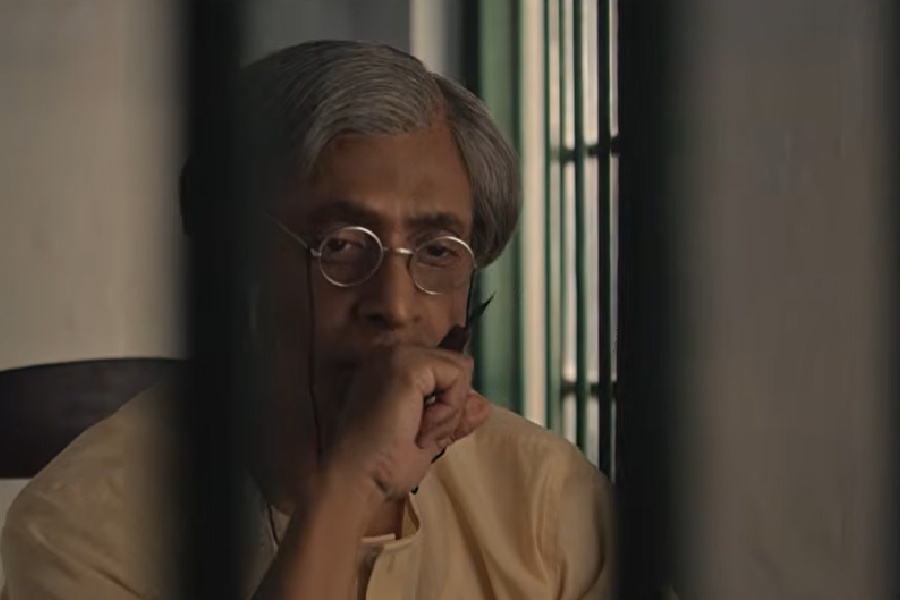
Emperor vs Sarat Chandra Trailer Revisits Pather Dabi Controversy

Joy Goswami to Voice Tagore in Srijit Mukherji’s New Film

Srijit Mukherji Debuts as Composer with Emperor Vs Sarat Chandra

Mimi Chakraborty and Srijit Mukherji Revisit Bengali Literary Roots

Venice-Winning Indian Filmmaker Says Debut Blocked by Censors

Telangana Arrest Over Ambedkar-Critical Book Fuels Free Speech Debate
Court Discharges Engineering Student in Bulli Bai App Case
Karnataka High Court Limits Section 509 Body-Shaming Prosecution

Delhi Court Convicts Man Over Insulting Remark About Child's Father

Allahabad High Court Acquits Four in Budaun Double Murder Case