4 days ago
Bollywood’s Man-Child Heroes Turn Anger Into Identity
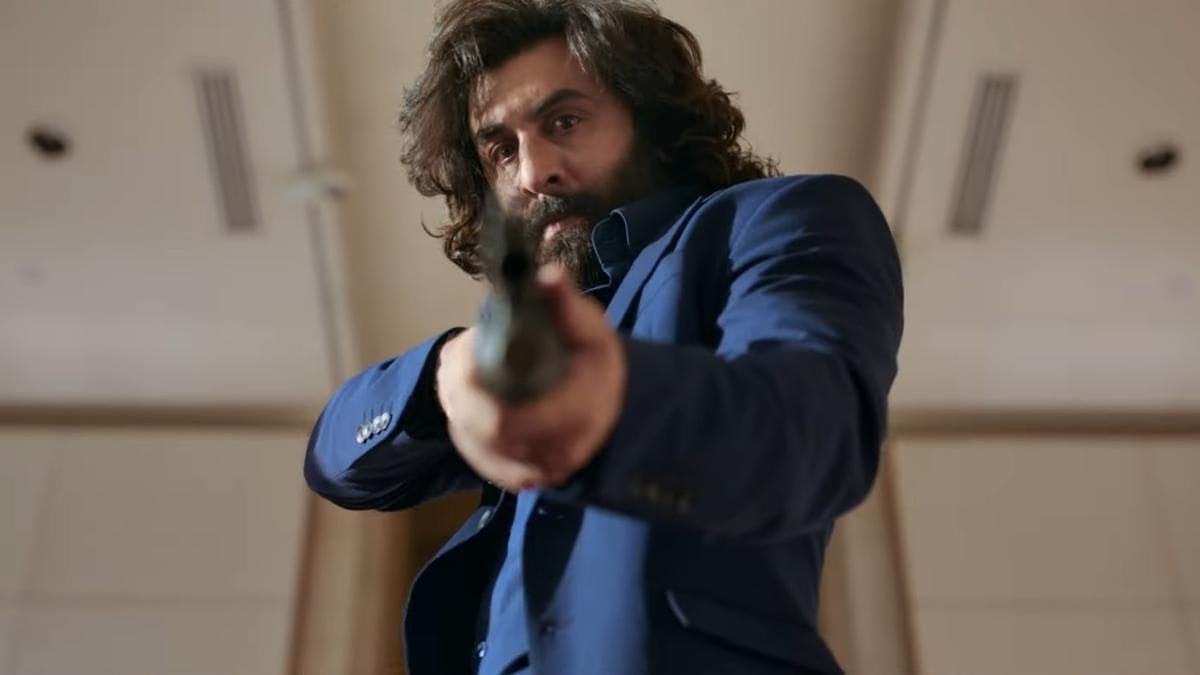
The article says many modern Indian movie heroes act like angry children when life disappoints them.
They may drink, fight, hurt people or seek revenge because of heartbreak or problems with their fathers.
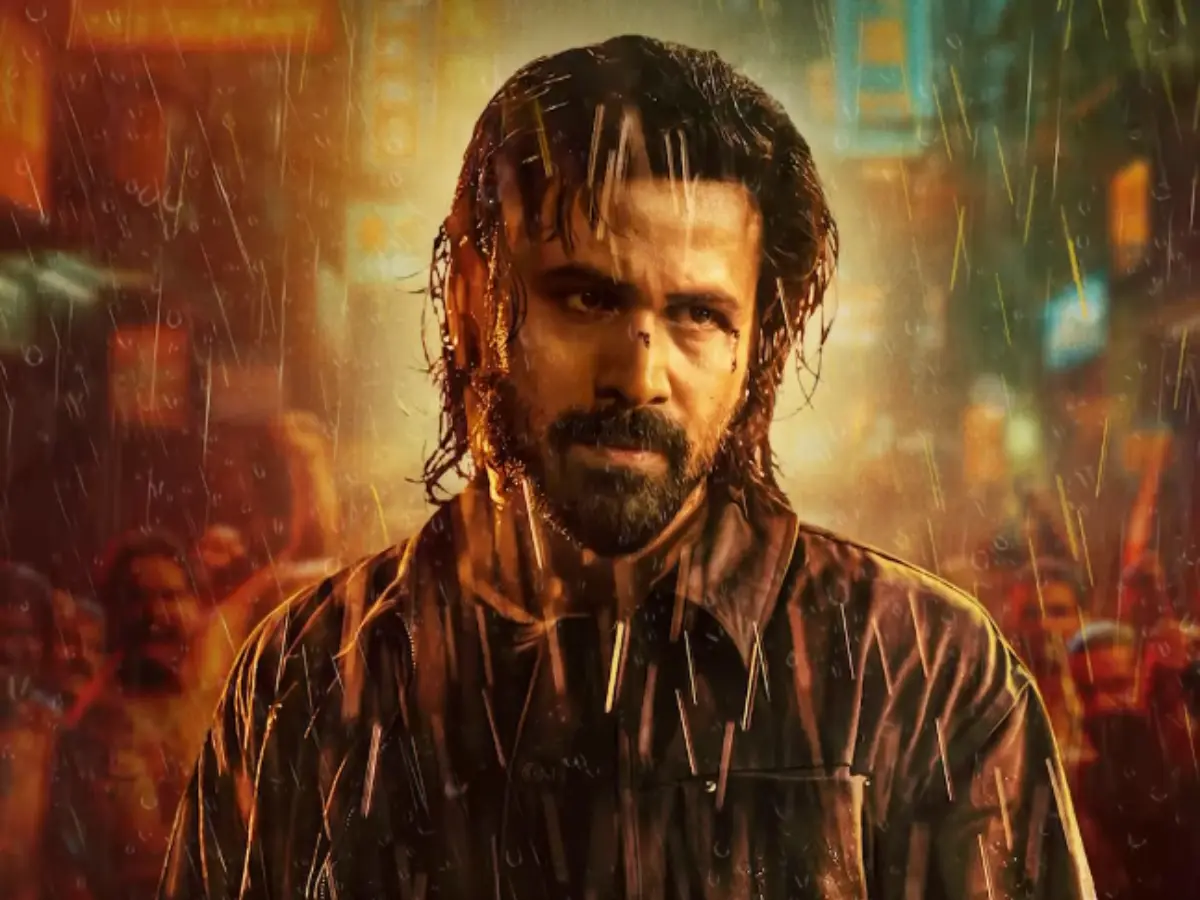
Awarapan 2 is criticized for making a hero’s sadness over a dead lover the reason he begins a rescue mission.
Kabir Singh and Animal are described as examples of men turning emotional pain into harmful behavior.
The writer compares them with older Amitabh Bachchan heroes, whose anger was often connected to unfairness in society.
The article also praises Wake Up Sid because its hero grows up instead of becoming violent.
It says films such as Pushpa, KGF and Toxic can make criminal or destructive men look heroic.
The writer believes male characters can be angry while still being kind, funny and responsible.

Awarapan 2 is criticized for using Shivam’s grief over his dead lover to motivate a rescue mission.
The article argues that films such as Kabir Singh and Animal reduce male pain to drinking, rage, violence and revenge.
It contrasts newer macho protagonists with Amitabh Bachchan’s angry-young-man characters, whose anger often reflected social and class frustrations.
Wake Up Sid is presented as an alternative story about handling paternal pressure through independence and self-discovery.
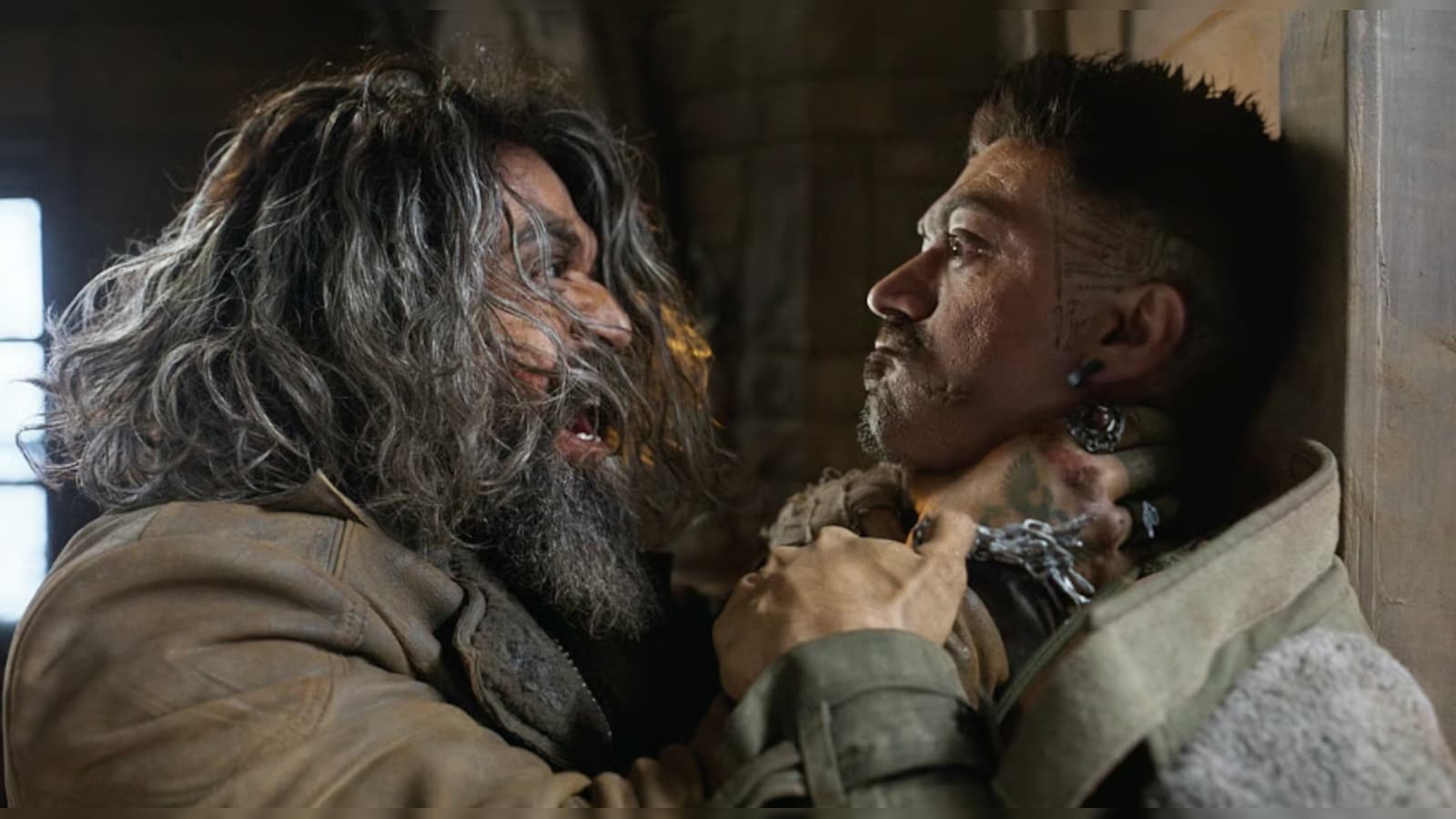
The criticism extends to pan-India films including Toxic, Pushpa and KGF, which are said to romanticize destructive or criminal ambitions.
- Who
- The article discusses male protagonists in Bollywood and pan-India cinema, including characters played by Emraan Hashmi, Shahid Kapoor, Ranbir Kapoor, Amitabh Bachchan and Sunny Deol.
- What
- It criticizes a growing pattern of macho male heroes responding to heartbreak, paternal disapproval or wounded pride with rage, addiction, violence and revenge.
- Where
- The films discussed are from Bollywood and wider pan-India cinema, with Awarapan 2’s rescue story involving Bangkok and Toxic set around Goa.
- When
- The discussion references films released from 1975 through 2026, including Awarapan 2 (2026) and Toxic: The Fairy Tale for Grown-Ups (2026).
- Why
- The writer argues that contemporary films increasingly treat personal emotional pain as justification for destructive behavior instead of showing maturity, social purpose or healthy independence.
Critique of the macho hero
Possible genre defense
Emotional pain and behavior
Critique of the macho hero
The article argues that grief, heartbreak and paternal insecurity should not excuse abuse, addiction, violence or treating others as collateral damage.
Possible genre defense
The films can be read as dramatizing deeply damaged men whose destructive conduct is part of their characterization and conflict, rather than as a model for ordinary behavior.
What makes anger meaningful
Critique of the macho hero
The writer prefers anger connected to broader injustice, as in the article’s reading of Amitabh Bachchan’s older roles and Sunny Deol’s fight against the system in Gadar: Ek Prem Katha.
Possible genre defense
Contemporary stories may focus more directly on personal trauma, family validation and wounded identity as sources of dramatic conflict.
Heroism and criminal ambition
Critique of the macho hero
The article objects to films such as Pushpa, KGF and Toxic making wannabe criminals, warlords or destructive men appear heroic.
Possible genre defense
The cited narratives portray these characters as larger-than-life protagonists and, in Pushpa’s case, emphasize that the illegal enterprise provides employment to villagers.
Key facts
- Central criticism
- The article says modern macho heroes often turn emotional pain into their entire identity and make others suffer for it.
- Awarapan 2
- Shivam finds an abandoned infant at the grave of his dead lover, Aaliyah, names the girl after her and later tries to rescue her from trafficking in Bangkok.
- Kabir Singh
- The character is portrayed as abusive, addicted to alcohol and drugs, and convinced that his academic status excuses his behavior.
- Animal
- The article says the hero responds to his father’s lack of emotional validation with rage, violence, drinking and extreme masculinity.
- Alternative example
- Wake Up Sid is presented as a story of a young man who handles paternal expectations by discovering photography and building an independent life.
- Older comparison
- Amitabh Bachchan’s angry-young-man roles, including Deewaar and Mard, are described as connecting anger to class and social frustrations.
- Pan-India examples
- Toxic, Pushpa and KGF are cited as films whose protagonists pursue power or criminal ambitions that the narratives sometimes make heroic.
Sources
Related news
Toxic Turns Its Hypermasculine Hero Into His Own Punishment
Ranbir Kapoor Reinvents Himself From Sid to Ram

Emraan Hashmi returns as wounded hero in Awarapan 2

Dil Chahta Hai at 25: Farhan Akhtar's Flawed, Evolving Men
Awarapan Ending Explained as Emraan Hashmi's Sequel Nears Release

Awarapan 2 Trailer: Emraan Hashmi Returns as Shivam Pandit
India’s Most Profitable Films of 2026: Three Surprising Winners

Rashmika Mandanna Leads Gond Warrior Story in Mysaa
Toxic Stumbles Despite Strong Opening as Faith Film Rises
Emraan Hashmi Tests Positive For H1N1 Amid Health Warnings

Amaal Mallik’s ‘Yeh Awarapan’ Dispute Leads to Film-Music Break