

2 days ago
Why Nepal's Viral Green House Survived Devastating Flash Floods
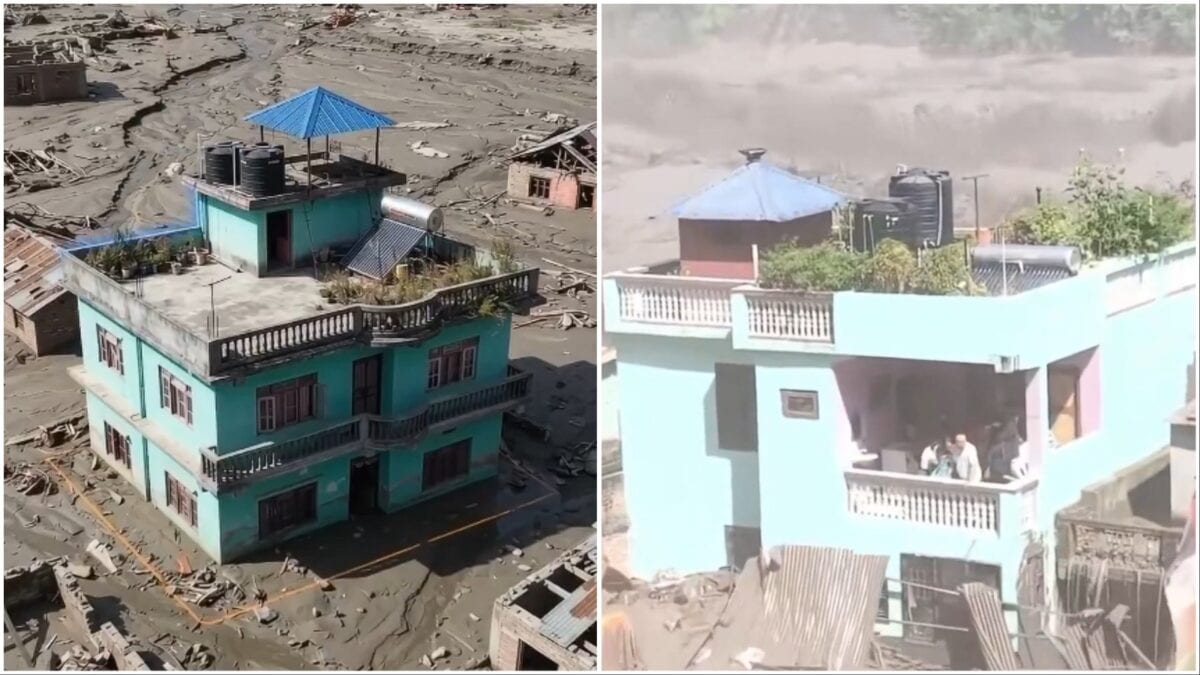
A powerful flood rushed through part of Nepal carrying mud, rocks, water, and trees.
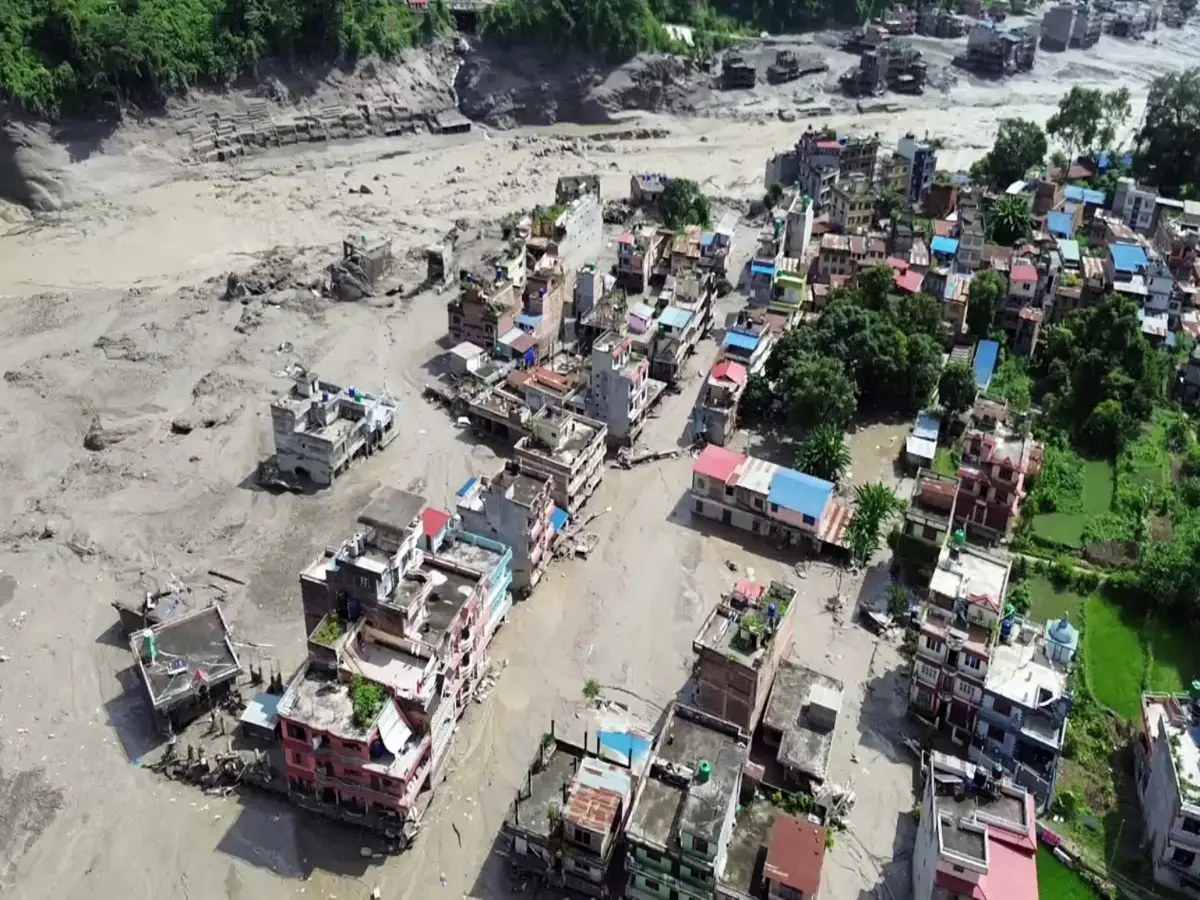
Many buildings nearby were destroyed.
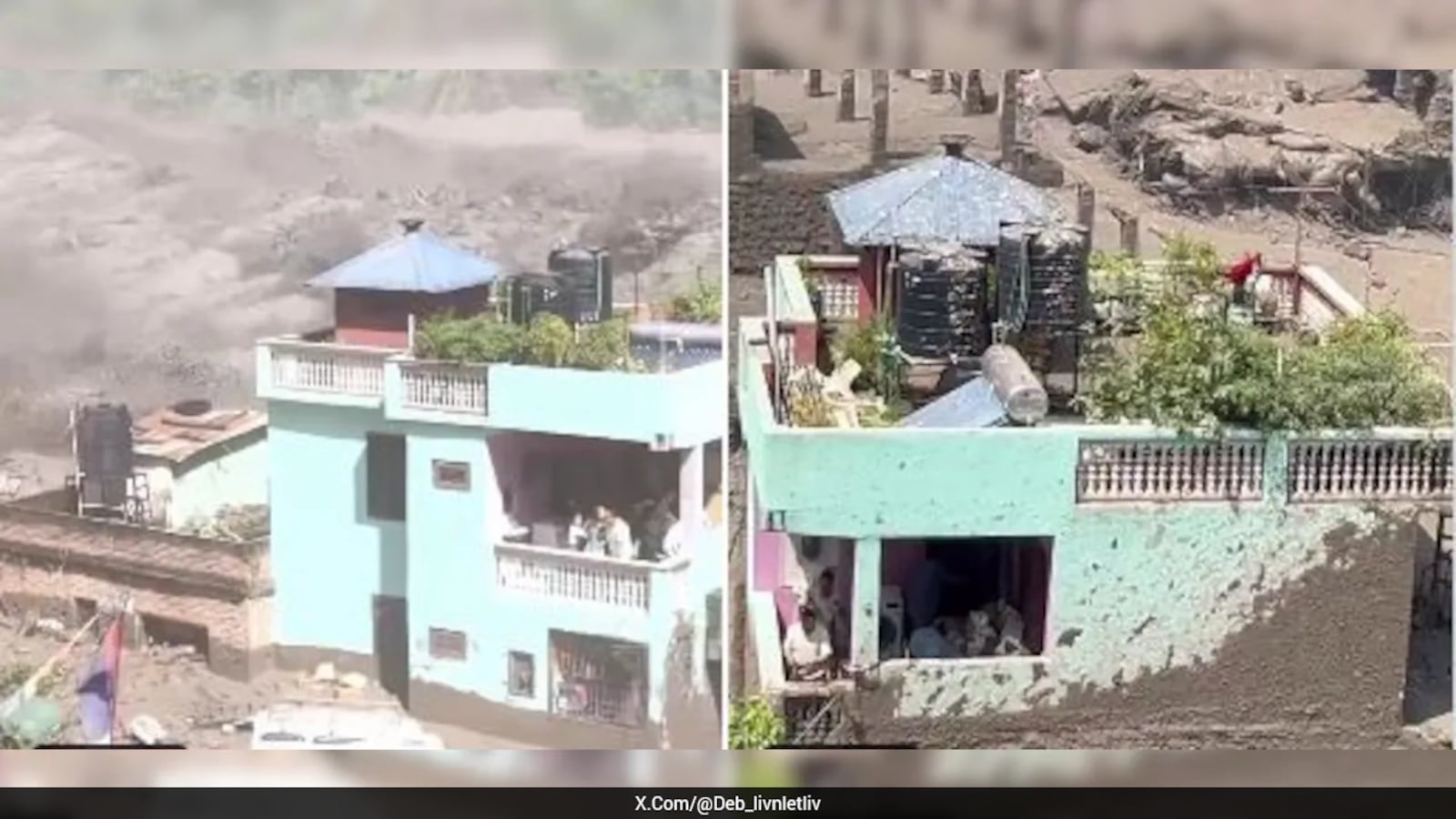
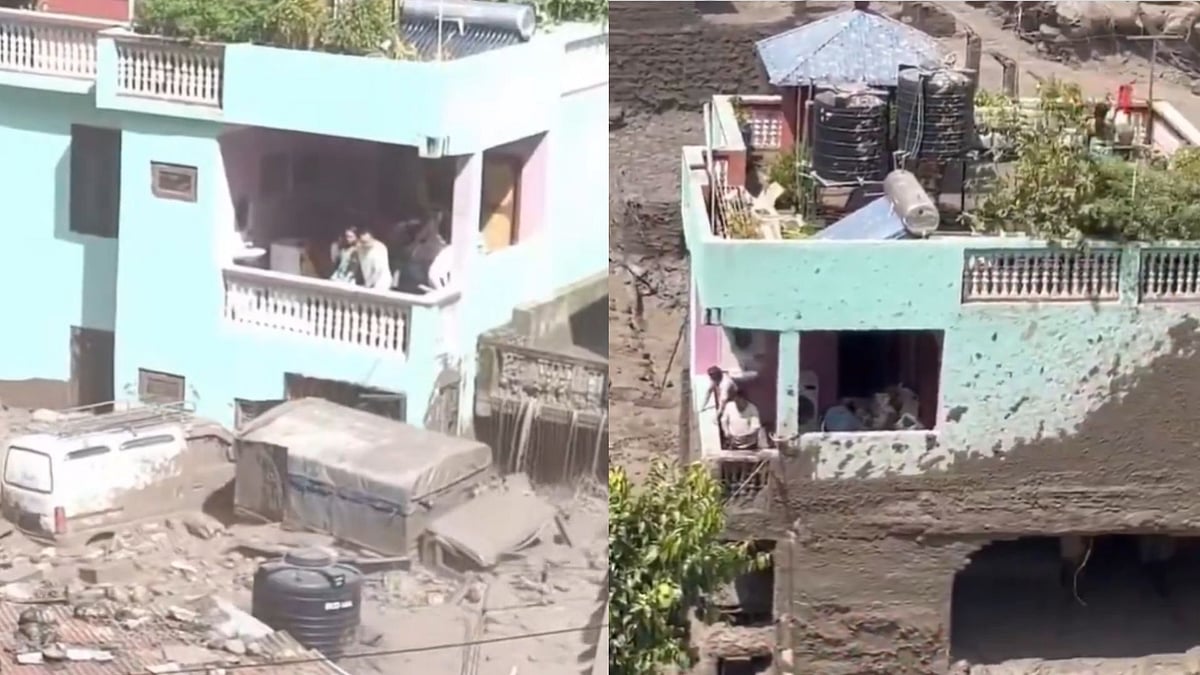
A small green house stayed standing, and a family inside survived.
A video on X suggested that the house had a strong concrete-and-steel frame.
Steel connected its columns, beams, and foundation into one structure.
This may have helped the house resist the flood pushing sideways.
The house also seemed to be slightly away from the deepest part of the flood and on a little higher ground.
Mud building up around it may have helped steer later water away.
The exact reason for its survival has not been officially confirmed.

A small green house remained standing while nearby buildings were swept away by a fast-moving debris flow in Nepal.
Architecture Presentation said the house may have had a reinforced concrete frame linking its columns, beams, and foundation.
The frame may have helped transfer the flood’s sideways force into the ground instead of allowing the walls to collapse inward.
The house appeared slightly off the deepest debris channel, on somewhat higher ground, with its compact shape allowing the flow to divide around it.
Reports gave differing casualty figures, including 781 deaths and 2,502 missing in Nepal, or 797 deaths and 3,048 missing across Nepal and Tibet.
- Who
- A family in the green house, Architecture Presentation, structural engineering commentators, and people affected by the Nepal floods.
- What
- A green house survived a debris flow that destroyed surrounding buildings, prompting discussion about its construction and location.
- Where
- A remote area of Nepal near its border with China, in a Himalayan valley; the article also reported effects in Tibet and India.
- When
- Videos circulated on August 30, 2026, and the report was published August 31, 2026; the disaster was in its fifth day of rescue operations.
- Why
- The house may have benefited from a reinforced concrete frame, a compact shape, and a position slightly away from the deepest debris channel on higher ground.
Structural Explanation
Uncertainty and Luck
Why the house survived
Structural Explanation
Architecture Presentation suggested that the reinforced concrete frame, steel reinforcement, compact shape, and position away from the deepest channel helped the house withstand the debris flow.
Uncertainty and Luck
The report stressed that this was only one possible assessment and that the footage alone does not establish the exact cause of the house’s survival.
Strength of the evidence
Structural Explanation
The explanation argued that unreinforced stone masonry commonly handles vertical loads but may fail under powerful lateral forces, while this house’s frame could transfer those forces into the ground.
Uncertainty and Luck
The house’s survival could initially appear to be pure luck, and no definitive structural investigation was presented in the articles.
Casualty figures
Structural Explanation
One report summarized the disaster as nearly 800 deaths and more than 3,000 missing.
Uncertainty and Luck
A later account gave more specific but different figures: 781 dead and 2,502 missing in Nepal, and 797 dead and 3,048 missing when Tibet was included.
Key facts
- Structure
- The house was described as having a reinforced concrete frame with continuous steel reinforcement connecting its columns, beams, and foundation.
- Flood material
- The debris flow consisted of dense mud, large boulders, water, and uprooted trees moving at high speed.
- Location advantage
- The house appeared to sit slightly away from the main channel and on marginally higher ground.
- Shape and flow
- Its compact geometry may have allowed the flow to split around both sides of the building.
- Later surges
- Deposited mud may have formed a natural ramp that deflected subsequent surges.
- Nepal toll
- An AFP-reported figure cited at least 781 deaths and 2,502 missing people in Nepal.
- Combined toll
- The article reported 797 deaths and 3,048 missing across Nepal and Tibet, based on figures from Nepal and Chinese state media.
Quotes
Architecture Presentation X account
An X account presenting architectural and structural explanations of the house’s survival
“A debris flow concentrates its heaviest boulders along the deepest central channel. This house sat slightly off that main path on marginally higher ground. Its compact shape allowed the fluid mass to split and flow around both sides, and the deposited mud quickly built a natural ramp that deflected later surges away from the structure.”
 NDTV
NDTV
“Continuous steel rebar tied the columns, beams, and foundation together into a single, rigid skeleton”
NDTV
Sources
Related news
Viral Turquoise House Survives Devastating Nepal Flash Floods

Why Nepal’s Green House Survived the Trishuli River Flood
Green House Survives Nepal Flash Floods as Nearby Buildings Vanish

Why This Nepal House Survived The Deadly Flash Flood
Nepal Floods Leave 579 Dead as Family Survives Balcony

Lone Nepal House Survives Devastating Floods as Neighbors Collapse

Satellite Radar May Strengthen Nepal's Flood Warning Systems

Nepal Plans New Landslide Warning System Along China Border

Nepal Thanks India as Glacial Disaster Rescue Efforts Continue
Nepal Warns of Heavy Rain After Deadly Floods

Nepal Flood Exposes Delayed Alerts and Cross-Border Warning Gaps
