1 day ago
Harvard Mittal Institute Withdraws From Ram Katha Event After Objections
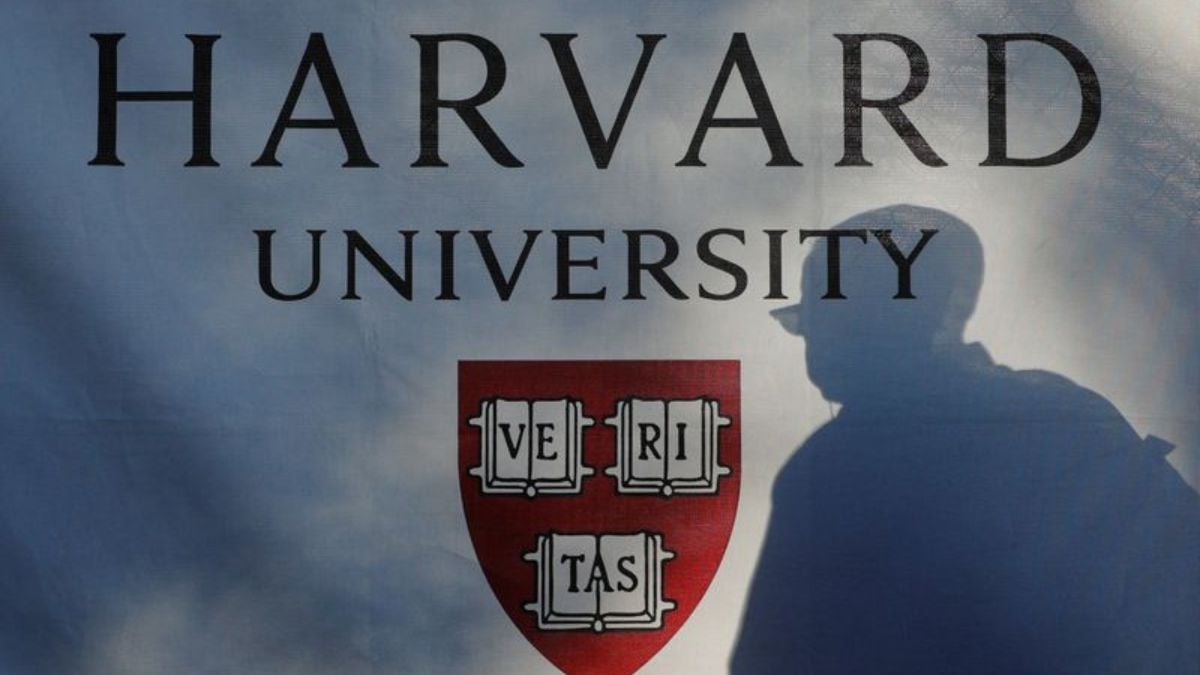
Harvard was connected to a nine-day religious storytelling event about Lord Ram.
Some Harvard professors said the event was mainly devotional rather than academic.
They also worried that it had political meaning in India.
Harvard’s Mittal Institute decided to remove its name and affiliation from the programme.
The organizers then arranged the event directly with Sanders Theatre.
About 1,000 people attended each day during the event.
Some Harvard leaders still spoke at the opening as individuals interested in the academic subject.
Student critics questioned whether Harvard should be associated with ideas they said could reinforce caste and gender hierarchies.

Harvard’s Lakshmi Mittal and Family South Asia Institute withdrew its name and affiliation from a nine-day Ram Katha event.
Faculty objected that the programme was primarily devotional, sectarian, and aimed at a largely non-Harvard audience.
Critics linked the worship of Ram to Indian political debates, including the Babri Masjid demolition and 2024 Ram Mandir construction.
The event proceeded independently at Sanders Theatre after organizers contracted directly with the venue at a higher rate.
Institute leaders still attended the opening, while student groups raised concerns about caste, gender, and institutional legitimacy.
- Who
- Harvard’s Lakshmi Mittal and Family South Asia Institute, faculty members, event organizers, and spiritual leader Morari Bapu were involved.
- What
- The Institute withdrew its name and affiliation from a Ram Katha event and its accompanying academic conference.
- Where
- The programme took place at Sanders Theatre at Harvard.
- When
- The Ram Katha was held from 15 to 23 August; the Institute withdrew by late July.
- Why
- Faculty and critics objected that the event was primarily devotional and sectarian, had political implications, and could associate Harvard with caste and gender hierarchies.
Faculty and Critics
Organizers and Institute Leaders
Nature of the event
Faculty and Critics
Faculty members described the programme as primarily devotional and, according to one professor, fundamentally religious and sectarian rather than an academic event.
Organizers and Institute Leaders
Organizers presented the programme alongside an academic conference on the Ramayana, while Institute leaders said their participation reflected personal academic interest.
Harvard’s institutional role
Faculty and Critics
Critics argued that Harvard’s name, spaces, and reputation would lend legitimacy to a non-Harvard religious event with political implications in India.
Organizers and Institute Leaders
The Institute said it never intended to host a religious event under Harvard’s banner and ultimately removed its name, affiliation, website promotion, and venue association.
Social and political implications
Faculty and Critics
Faculty and the Kennedy School’s Casteless Caucus raised concerns about the event’s links to Indian political debates and possible reinforcement of caste and gender hierarchies.
Organizers and Institute Leaders
The event’s supporters and participating Institute leaders proceeded with the programme independently after organizers contracted directly with Sanders Theatre.
Key facts
- Event
- Ram Katha devotional recitation programme about the life of Lord Ram
- Dates
- 15 to 23 August
- Attendance
- Roughly 1,000 people attended the programme
- Venue
- Sanders Theatre
- Harvard unit
- Lakshmi Mittal and Family South Asia Institute
- Funding
- A British charity run by Paavan Popat funded the event
- Related donation
- Morari Bapu donated at least Rs 11.3 crore toward Ram Mandir construction, according to The Harvard Crimson
Quotes
Maya R. Jasanoff
Harvard History professor who objected to the event’s institutional association.
“fundamentally a religious event, and a sectarian one”
 theprint.in
“preeminently a devotional event.”
theprint.in
Casteless Caucus
Kennedy School student group that raised concerns about the event’s social implications.
“What happens when a globally prestigious institution lends its spaces, reputation, and legitimacy to the celebration of a cultural text that explicitly reinforces hierarchies of caste and gender?”
theprint.in
Sources
Related news
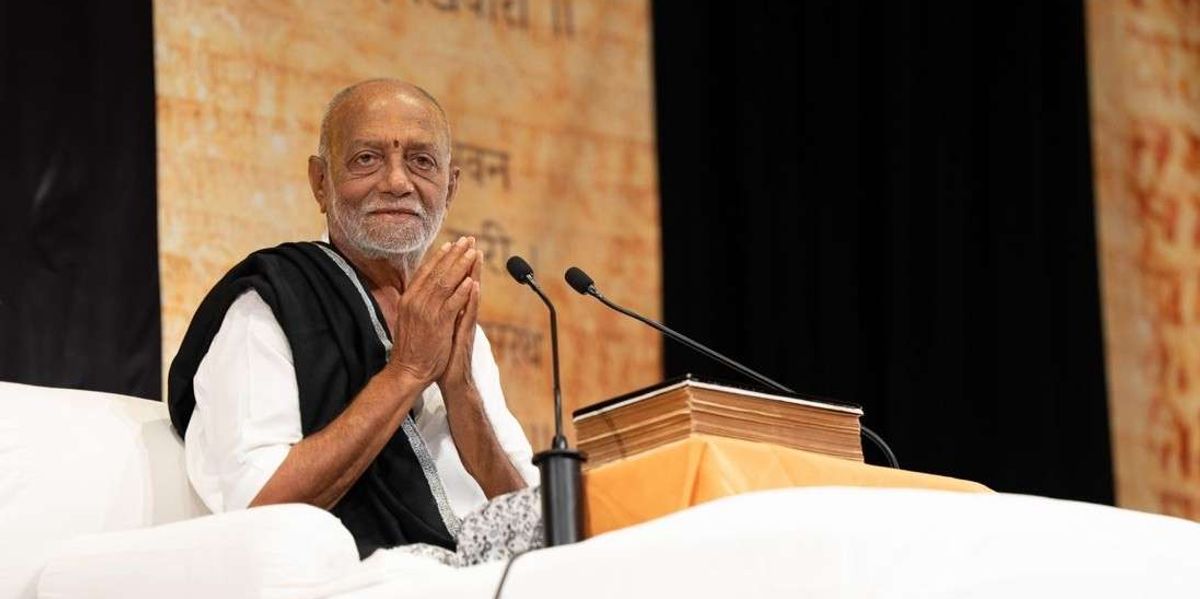
Morari Bapu Brings Ram Katha to Harvard University
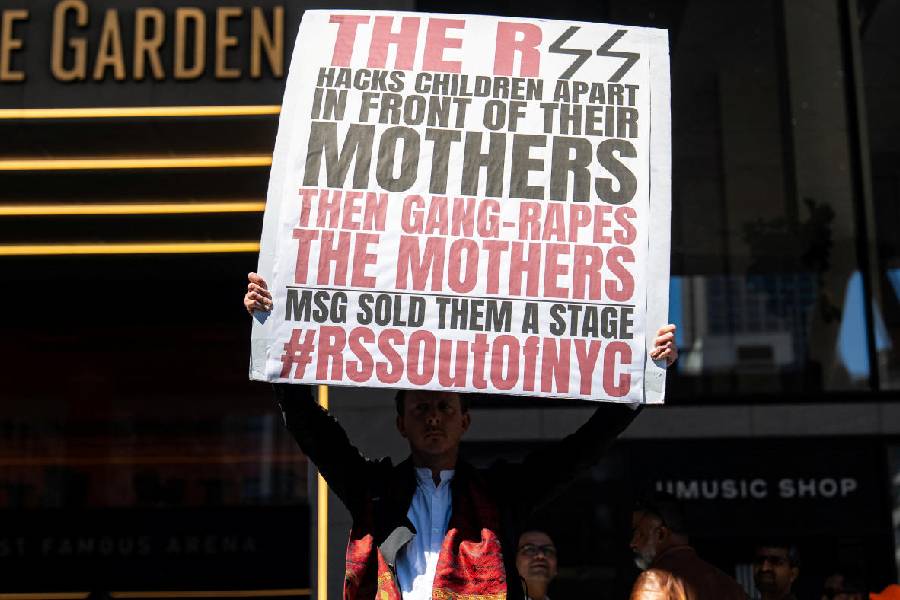
New York Faith Leaders Regret Participation at Bhagwat Event
IIT Kanpur’s ISKCON Well-Being MoU Sparks Scientific Temper Row
IIT Mandi Faces Anti-Dalit Poster Controversy After Janmashtami
‘Modi Chalisa’ Event Stopped After Press Club Terms Violated
Student Groups Oppose WAHA Seminar at YCMOU; VC Assures Cancellation

HDFC Bank CEO Exit Exposes Deeper Succession and Governance Risks

Private Banks Begin Leadership Searches Amid CEO Succession Shift

Khara, Bharucha Emerge as HDFC Bank CEO Contenders

HDFC Bank CEO Exit Sends Shares to 52-Week Low