1 hr ago
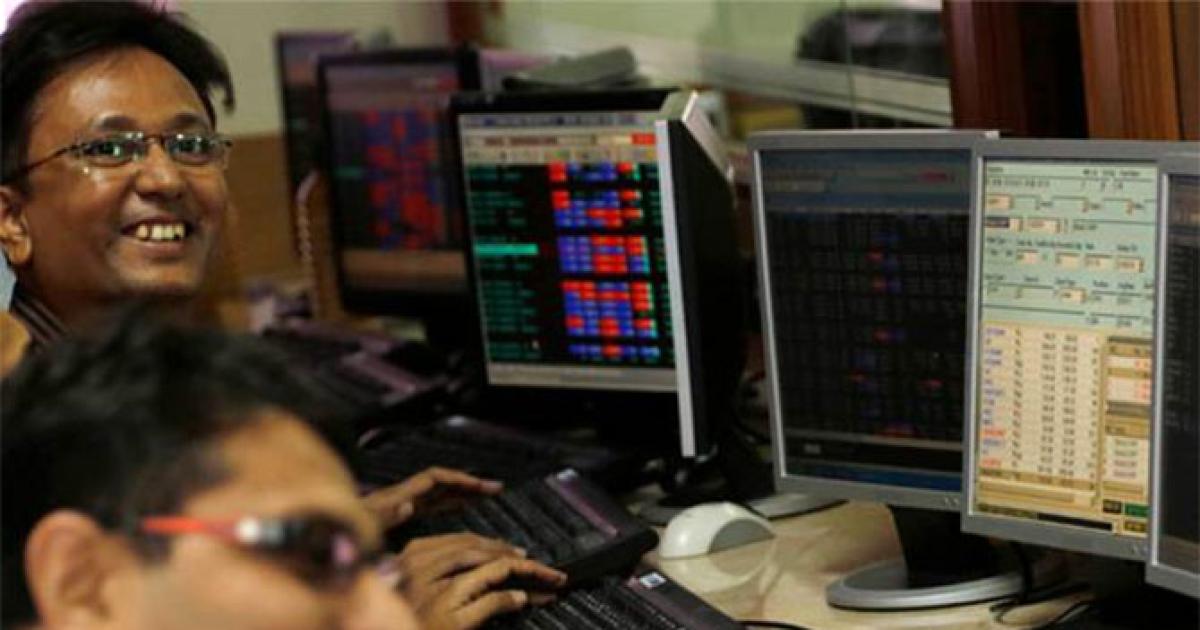
HDFC Bank CEO Exit Exposes Deeper Succession and Governance Risks

Sashidhar Jagdishan has decided not to serve another term as HDFC Bank’s chief executive.
He will retire on 26 October.
He helped lead the bank when it merged with HDFC in 2023.
However, the merger has not yet produced the stronger profits many investors expected.
The bank’s shares have fallen sharply this year, and it has faced questions about governance.
HDFC Bank now needs to find a new leader and receive approval from India’s central bank.
Kaizad Bharucha is considered a possible internal choice, but the bank may also look outside.
The situation has started a bigger discussion about whether banks are preparing enough future leaders.

Sashidhar Jagdishan will retire as HDFC Bank CEO on 26 October after deciding against a third term.
His tenure included the 2023 HDFC-HDFC Bank merger, but margins, returns and the bank’s share price remain under pressure.
The board must quickly choose a successor and obtain Reserve Bank of India approval, which can take 35 days to more than a year.
Deputy managing director Kaizad Bharucha is viewed as the leading internal candidate, while external candidates may offer a fresh perspective.
The leadership change highlights wider succession concerns as private-bank CEOs increasingly serve shorter terms and banks struggle to develop cross-functional leaders.
- Who
- Sashidhar Jagdishan, HDFC Bank’s CEO, and the bank’s board are central to the leadership transition; Kaizad Bharucha is considered a leading internal candidate.
- What
- Jagdishan is retiring after deciding against a third term, forcing HDFC Bank to select a successor and address broader succession and governance concerns.
- Where
- The transition concerns HDFC Bank in India.
- When
- Jagdishan is due to retire on 26 October; the bank has less than two months to identify a successor and seek regulatory approval.
- Why
- The departure creates an immediate leadership vacancy while the bank faces pressure to improve returns, deliver merger synergies, reduce funding costs and strengthen investor confidence.
Internal Continuity
External Reset
Choice of successor
Internal Continuity
An internal candidate such as deputy managing director Kaizad Bharucha could preserve institutional knowledge and provide continuity.
External Reset
External candidates could bring a fresh perspective to improve performance, communication and governance.
Leadership tenure and succession
Internal Continuity
Long-serving insiders can retain deep knowledge of the bank and its operations.
External Reset
Concentrating institutional knowledge and decision-making around long-serving CEOs can make succession more difficult, especially as leadership changes become more frequent.
Market interpretation
Internal Continuity
The initial 2.7% intraday rise in HDFC Bank’s stock suggested some investors welcomed the leadership reset.
External Reset
The shares ultimately closed 1.5% lower, indicating that investors may view the CEO departure as only part of the bank’s broader challenges.
Key facts
- Outgoing CEO
- Sashidhar Jagdishan
- Retirement date
- 26 October
- Time at HDFC Bank
- Jagdishan joined as a finance manager in 1996 and became CEO in 2020.
- Major transaction
- The HDFC-HDFC Bank merger was completed in 2023.
- Share performance
- HDFC Bank shares have fallen more than 28% this year, according to the article.
- Succession approval
- Reserve Bank of India approval has historically taken from 35 days to more than a year.
- Private-bank tenure trend
- Mint’s analysis found that 52% of private-bank CEOs leaving office between 2017 and 2026 served five years or less.
Sources
Related news

HDFC Bank CEO Sashidhar Jagdishan to Retire Amid Scrutiny
HDFC Bank CEO Search Tests Investor Confidence and Governance

HDFC Bank Shares Rise as Jagdishan Exit Spurs Succession
HDFC Bank CEO Jagdishan to Retire Amid Succession Uncertainty
HDFC Bank Fast-Tracks CEO Search as Jagdishan Exits
HDFC Bank Faces Broader Leadership Reset After CEO Exit

Bengaluru Woman Wins Tax Dispute Over ₹25 Lakh Deposit

How Credit Card Reward Points Can Unlock Luxury Hotel Stays

Gold Prices Rise Second Straight Session Near ₹1.61 Lakh

Evening News Roundup Covers Banks, China, Gen Z And Entertainment