2 hrs ago
Lawyers Allege Election Commission Rot Amid SIR Dispute
Reports say two election commissioners objected to several decisions made by India’s election panel.
They said some decisions and messages were issued without their knowledge or approval.
This happened while voter lists were being changed through a process called the Special Intensive Revision.
That process added and removed millions of names.
The commissioners also questioned changes to forms used by new voters.
The Election Commission said its decisions were legally valid.
It also said disagreements between commissioners can happen during normal work.
Lawyers said the commission must follow rules requiring decisions to be made together or by majority.
They warned that courts could review or possibly cancel the voter-list exercise if those rules were not followed.

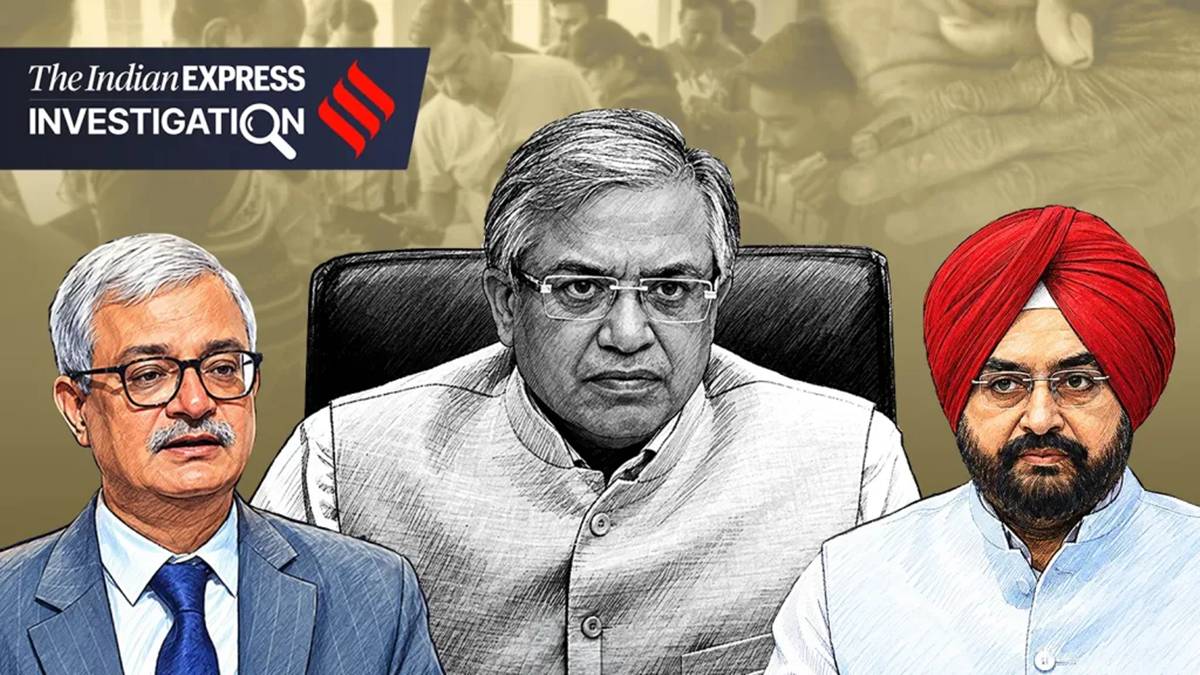
Two election commissioners reportedly recorded at least 14 objections over 10 months to decisions and communications issued without their approval.
The objections arose during the Election Commission’s Special Intensive Revision, which changed voter lists and deleted or added millions of names.
Commissioners Sukhbir Singh Sandhu and Vivek Joshi questioned changes to Form 6 and the centralisation of electoral-roll data.
The Election Commission said its orders had full legal sanction and that disagreements were a normal part of institutional deliberation.
Senior lawyers warned that failure to follow majority decision-making rules could expose the poll panel’s actions, including the SIR, to judicial review.
- Who
- The Election Commission of India, including Chief Election Commissioner Gyanesh Kumar and commissioners Sukhbir Singh Sandhu and Vivek Joshi, along with senior lawyers and former bureaucrat Jawhar Sircar.
- What
- A dispute over alleged unilateral decision-making inside the Election Commission and the legal validity of its Special Intensive Revision of voter lists.
- Where
- India, involving the nationwide electoral-roll system.
- When
- The objections were recorded over a 10-month period; the controversy and the Election Commission’s response occurred on Wednesday.
- Why
- The dispute arose after reports that decisions and communications were issued without all commissioners’ approval during changes to voter lists.
Critics and Legal Challengers
Election Commission
Decision-making process
Critics and Legal Challengers
Senior lawyers and former bureaucrat Jawhar Sircar said the written objections suggested a lack of trust, autocratic functioning, and possible failure to consult all commissioners.
Election Commission
The Election Commission said differences among commissioners were a normal part of institutional deliberation and that its official decisions had full legal sanction.
Validity of the Special Intensive Revision
Critics and Legal Challengers
Critics argued that the SIR was legally shaky and could be cancelled or subjected to judicial review if the statutory majority process was not followed.
Election Commission
The Election Commission defended the legal validity of its official orders, though its press note did not specifically address every objection reported by the commissioners.
Institutional independence
Critics and Legal Challengers
Sanjay Hegde and Colin Gonsalves said the chief election commissioner is only first among equals and that undermining the electoral process could have severe legal consequences.
Election Commission
The commission maintained that its institutional decisions remained valid despite disagreements among its members.
Key facts
- Reported objections
- At least 14 objections were recorded by two election commissioners over 10 months.
- Voter-list exercise
- The controversy occurred during the Special Intensive Revision, which changed voter lists nationwide.
- Voter impact
- Millions of names were reportedly deleted and added.
- Form 6 dispute
- Sukhbir Singh Sandhu called an alteration to Form 6 for new voters unauthorised and illegal; Vivek Joshi said it required a rules amendment.
- Election Commission response
- The commission said its official orders and directions carried full legal sanctions and that differences were normal institutional deliberation.
- Decision rule
- Under Section 18 of the 2023 Act, commission business is to be handled unanimously where possible and decided by majority when commissioners differ.
- Judicial context
- A two-judge Supreme Court bench delivered a split verdict on whether challenges to the 2023 appointment law should go to a larger Constitution bench.
Quotes

Colin Gonsalves
Senior advocate criticizing the functioning of the Election Commission.
“The CEC does not have any higher authority than other commissioners. The other commissioners should formally ask for a meeting on record. The decision has to be by a majority. It seems that no formal meetings were held. If the rule of majority was not followed or the other commissioners were not consulted, then the EC is vulnerable to judicial review.”
 telegraphindia.com
“The Gyanesh Kumar case has shocked me totally after 41 years in the IAS. He has behaved autocratically from the beginning of his tenure. The fact that the commissioners raised their issues in writing shows a lack of trust.”
telegraphindia.com
Sources
Related news
Election Commissioners Raise 14 Objections Over SIR Decisions
Election Commission Says SIR Decisions Were Unanimous Despite Objections
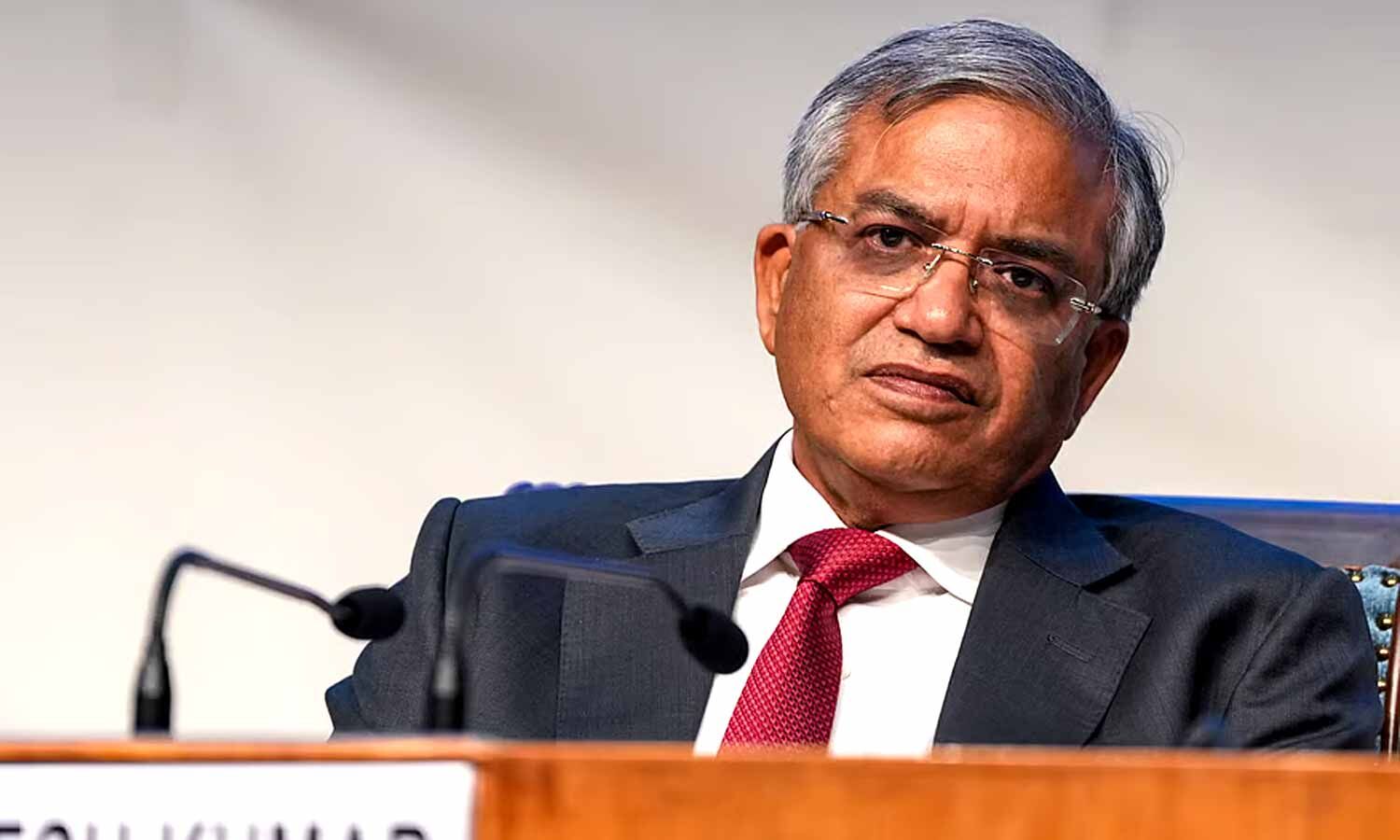
Election Commission Says SIR Decisions Were Unanimous After Rift Report

Opposition Demands Gyanesh Kumar’s Removal Over SIR Objections

Election Commission Says SIR Decisions Were Unanimous Despite Reported Objections

Election Commission defends unanimous decisions amid SIR dissent controversy

Letters Debate BRICS Menu, Hindi Promotion and Political Contradictions

How UNESCO’s Heritage Tag Transformed Kolkata’s Durga Puja
Bengal’s Durga Puja Draws Food and Political Battles
India’s 2027 Census Questions Raise Fears of National Register