

1 week ago
Fedorov’s Election Gamble Backfires as Ukraine’s Wartime Protests End

Mykhailo Fedorov was removed as Ukraine’s defence minister by President Volodymyr Zelenskiy.
Many people protested because they thought the dismissal was not properly explained.
They also worried it could hurt Ukraine’s fight against Russia.
Fedorov then called for elections during the war.
Most protesters did not support that idea because soldiers are fighting and millions of people are away from their homes.
Ukraine’s parliament approved Yevhenii Khmara as the new defence minister.
After that vote, the protests largely ended.
Experts said Fedorov’s election call weakened his political position.
Zelenskiy remained relatively popular despite the dispute and other government problems.

Former defence minister Mykhailo Fedorov’s call for wartime elections failed to sustain protests demanding his reinstatement.
Ukraine’s parliament approved Zelenskiy’s choice, Yevhenii Khmara, as the new defence minister.
Protests began after Zelenskiy dismissed Fedorov during a July government reshuffle.
Only a few dozen demonstrators remained in Kyiv on Wednesday, down from thousands earlier.
A poll found 57% of Ukrainians preferred elections to be held only after the fighting ends.
- Who
- Former defence minister Mykhailo Fedorov, President Volodymyr Zelenskiy, protesters, and Ukraine’s parliament.
- What
- Protests over Fedorov’s dismissal ended after parliament approved a new defence minister, while Fedorov’s call for wartime elections failed to gain support.
- Where
- Protests took place in Kyiv and other Ukrainian cities, with the final demonstration activity reported in central Kyiv.
- When
- The protests began after a July reshuffle and largely ended on Wednesday, August 20.
- Why
- Protesters objected to Fedorov’s dismissal and feared it could threaten the war effort, while his election proposal was unpopular during the ongoing war.
Protesters’ Concerns
Fedorov’s Broader Challenge
Reason for protesting
Protesters’ Concerns
Protesters wanted an explanation for Fedorov’s sudden dismissal and some opposed military leadership decisions they believed affected his work.
Fedorov’s Broader Challenge
Fedorov refused alternative roles, including deputy prime minister, and sought to expand the dispute by calling for wartime elections.
Timing of elections
Protesters’ Concerns
Many protesters and surveyed Ukrainians opposed holding elections while troops were fighting and people remained displaced or under occupation.
Fedorov’s Broader Challenge
Fedorov argued that Ukraine faced a crisis of governance and called for elections, but the proposal did not win broad public support.
Key facts
- Former minister
- Mykhailo Fedorov, described as reform-minded and technology-focused.
- New defence minister
- Yevhenii Khmara, a former top special forces commander.
- Parliamentary action
- Parliament approved Khmara as defence minister on Wednesday.
- Election polling
- A Kyiv International Institute of Sociology poll found 57% wanted elections only after fighting ended.
- Protest scale
- Thousands had joined earlier protests, but only a few dozen remained in central Kyiv on Wednesday.
- President’s approval
- Volodymyr Zelenskiy’s approval rating was reported as generally stable at around 60%.
- War context
- The protests occurred during the fifth year of the war following Russia’s 2022 invasion.
Quotes
Anton Grushetskyi
Executive director of the Kyiv International Institute of Sociology
“When we came out to protest, we did not come with the idea that elections should be held. That is not what we were here for.”
 theprint.in
“Even amid these protests, people didn’t want to hold elections. Why Fedorov didn’t understand this remains an open question.”
theprint.in
Sources
Related news
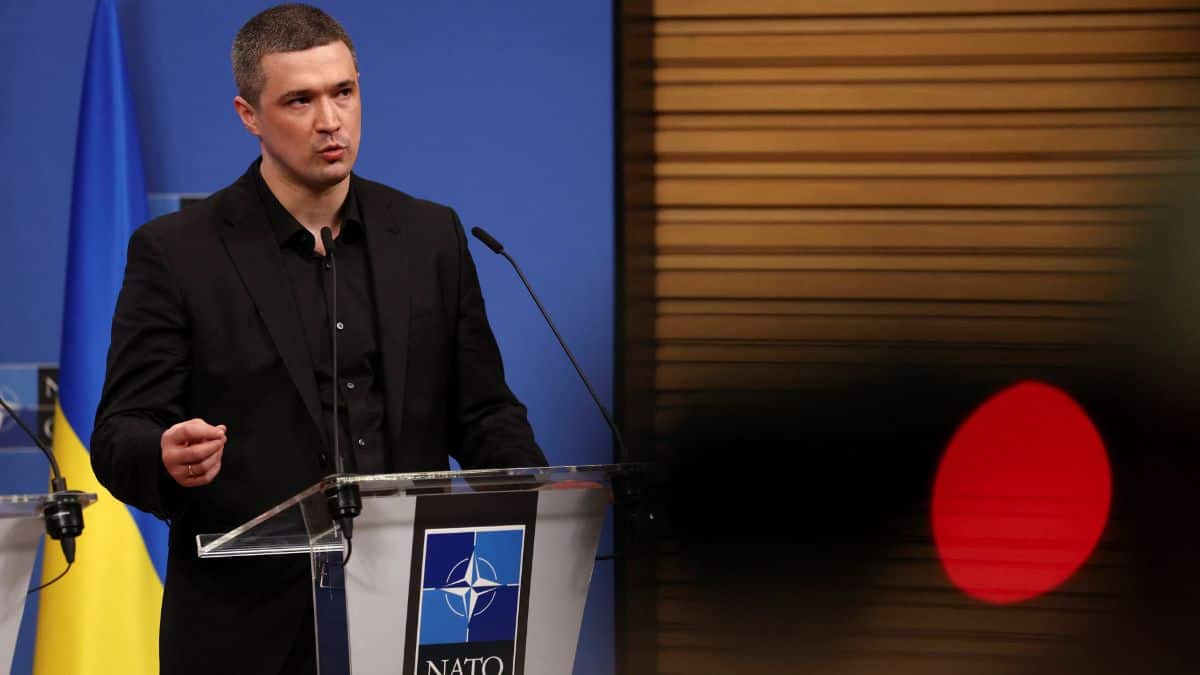
Ousted Ukrainian Defence Minister Challenges Zelenskyy With Wartime Election Call
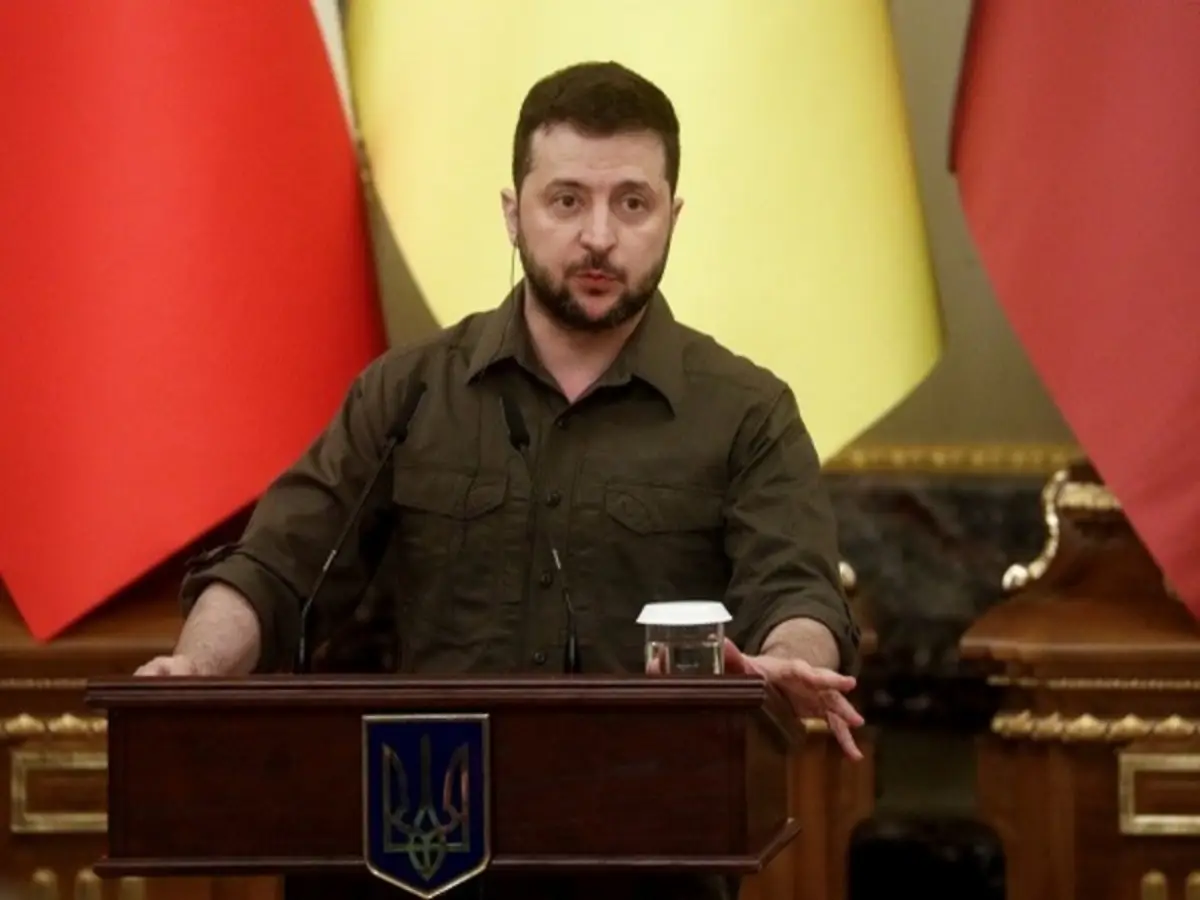
Zelensky Rejects Wartime Elections, Calls Vote Huge Risk
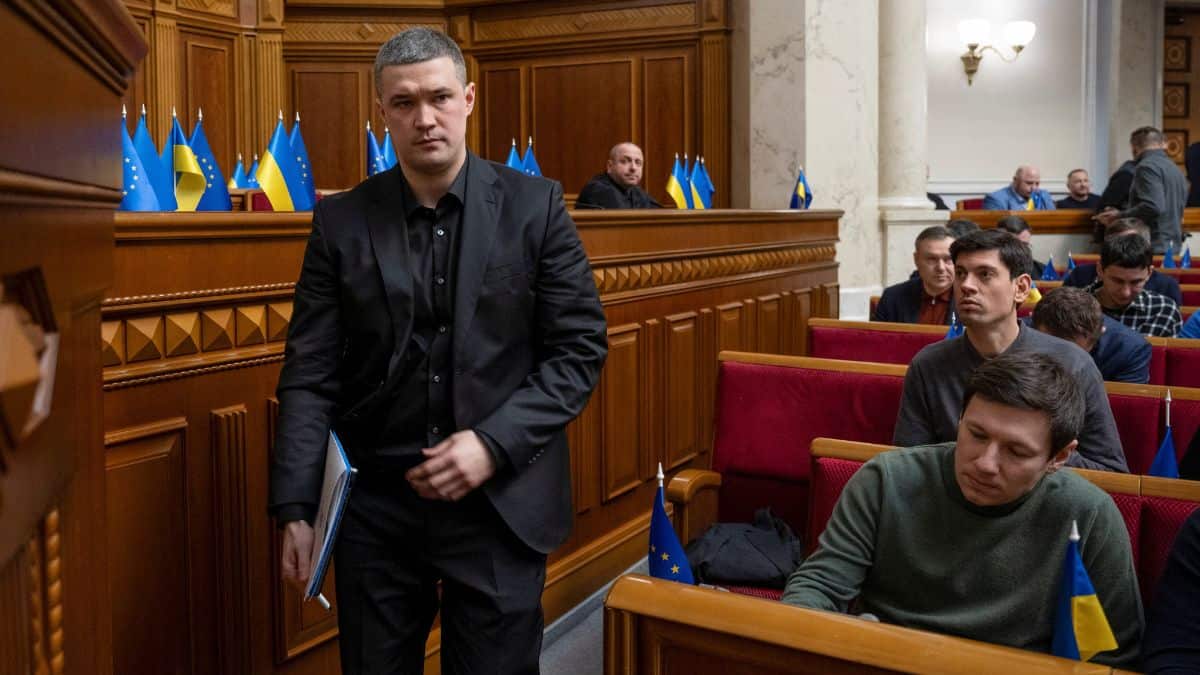
Ukraine’s Ex-Defense Minister Plans US Visit After Election Call
Ukraine Faces Major Obstacles to Holding Elections During War
Ukraine Faces Obstacles to Holding Elections During Wartime
Kremlin cites Ukraine splits after ousted minister urges elections