2 days ago
Trump 2.0 Rally Trails First-Term Gains Despite Strong Earnings
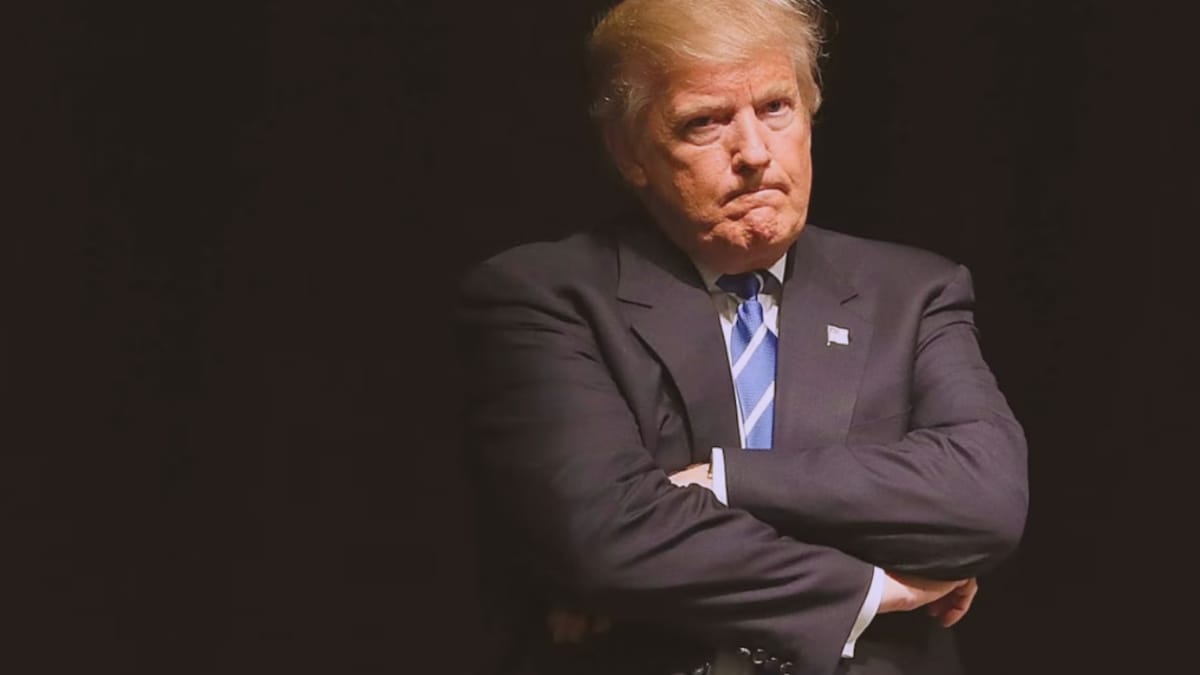
US stocks have gone up a lot during Donald Trump’s second presidency.
However, the main S&P 500 index has risen slightly less than it did during the same part of his first presidency.
The Dow and Nasdaq are also behind their earlier pace.
A broader index called the Russell 3000 has done better this time.
Companies have reported strong profits, especially technology companies.
Businesses are also spending heavily on artificial intelligence, which has helped technology stocks.
But investors are worried that AI spending may slow down.
Higher interest rates and bond yields could also make stocks less attractive and make borrowing more expensive.

The S&P 500 gained 27.6% during Trump’s first 20 months, slightly below the 28.5% increase during his first term.
The Dow and Nasdaq also lagged their first-term performances, while the broader Russell 3000 performed better in Trump’s second term.
Strong corporate earnings, especially in technology, and heavy artificial-intelligence investment have powered the market’s gains.
The 10-year Treasury yield recently moved above 5%, increasing competition from bonds and raising borrowing costs.
Investors are now weighing whether earnings and AI spending can offset higher yields, inflation, oil prices and uncertainty over AI demand.
- Who
- US stock investors, companies in the S&P 500, and the Trump administration are central to the comparison.
- What
- US stocks have posted strong gains during the first 20 months of Donald Trump’s second presidency, but most major indexes trail their first-term pace.
- Where
- US financial markets, including the S&P 500, Dow Jones Industrial Average, Nasdaq Composite and Russell 3000.
- When
- During the first 20 months of Trump’s second presidency, with the comparison extending through Friday’s close.
- Why
- The rally has been supported by strong corporate earnings and AI investment, while higher Treasury yields and other risks are testing its durability.
Bullish Case
Risk Case
What is driving the rally?
Bullish Case
Strong corporate earnings, technology profits and heavy investment in AI infrastructure can continue supporting stocks.
Risk Case
The market may be vulnerable if AI spending slows or investors conclude that the spending boom is unsustainable.
Effect of higher yields
Bullish Case
Stocks have continued advancing even as the 10-year Treasury yield moved above 5%, suggesting investors still believe in earnings and the US economy.
Risk Case
Higher yields make bonds more competitive with equities and raise borrowing costs for households and companies.
Meaning for the economy
Bullish Case
The stock market’s gains indicate resilience and economic strength, a view emphasized by Donald Trump.
Risk Case
Wall Street is not a direct measure of the wider economy because equity gains are concentrated among wealthier households and roughly four in ten US households have no money invested in financial markets.
Key facts
- S&P 500 second-term gain
- 27.6% during Trump’s first 20 months
- S&P 500 first-term comparison
- 28.5% during the corresponding period of Trump’s first presidency
- Dow comparison
- 18.8% in Trump’s second term versus 33.8% in his first term
- Nasdaq comparison
- 35.1% in Trump’s second term versus 43.5% in his first term
- Corporate earnings
- S&P 500 earnings growth was running at 31.1% year-on-year, while technology-sector earnings were up 72%
- Treasury yields
- The benchmark 10-year Treasury yield recently moved above 5%
- Market drivers and risks
- AI investment and corporate profits have supported stocks, while yields, inflation, oil prices and AI-spending uncertainty remain risks
Sources
Related news

Wall Street Ends Higher as AI Stocks Rally, Oil Falls

Nvidia Earnings Lift US Futures as Rate Concerns Persist

Wall Street Rebounds as Investors Reassess Risky Stocks
AI Chip Rally Helps Nasdaq Reach Record Closing High
World Markets Mostly Gain as Nvidia Propels US Stocks Higher

Wall Street Futures Edge Lower Ahead of Warsh Speech

ShinyHunters Claim FBI Personnel Data Stolen, Reuters Finds Uncertainty

Hormuz Reopening Could Lift Indian Stocks and Gold
Trump Approval Hits Career Low as Cost Concerns Grow

Trump Administration Reportedly Prepares Sanctions Against International Criminal Court