1 week ago
Gen Z’s Growing Friendship With AI Shows Promise And Risks

Many young people talk with AI chatbots when they feel bored, worried, or lonely.
The chatbot is always available and usually responds in a kind way.
Some teens see it as a friend, while others see it mainly as a tool for fun or curiosity.
Research shows that many young people still prefer spending time with real friends.
Some studies found that people who use chatbots heavily also report more loneliness and dependence.
However, this does not prove that chatbots cause loneliness.
People who already feel lonely may simply use them more often.
Experts are especially concerned about children receiving unsafe advice or becoming too dependent on AI companions.
Researchers suggest setting limits and discussing important problems with real people or trained professionals.

A 2026 VML Future 100 report found that 49% of Gen Z respondents reported a meaningful relationship with AI.
Common Sense Media found that 72% of US teens aged 13 to 17 had used an AI companion, while 52% were regular users.
Many teens use AI companions for entertainment, curiosity, advice, and conversations they find difficult to have with people.
Research links heavier chatbot use with loneliness and dependence, but the studies found correlation rather than proof of causation.
Experts warn about risks to minors, including harmful advice, mental-health concerns, explicit role-play, and possible overdependence.
- Who
- Gen Z users, US teenagers, young adults, researchers, technology companies, and child-safety experts.
- What
- The article examines growing friendships and romantic or emotional relationships between young people and AI companions.
- Where
- The reported surveys and studies largely concern users in the United States and their interactions with online AI companions.
- When
- The evidence cited comes mainly from studies and surveys conducted in 2025 and 2026.
- Why
- Young people are drawn to AI because it is available at any time, feels low-risk to talk to, and can offer companionship, advice, entertainment, or emotional support.
Potential Benefits And Personal Support
Risks And Human Connection
Emotional availability
Potential Benefits And Personal Support
AI companions are available at any time, do not judge users, and can make difficult or embarrassing conversations feel safer.
Risks And Human Connection
Their constant availability may encourage dependence and could replace time spent with friends, family, or professionals.
Loneliness
Potential Benefits And Personal Support
Some users say AI gives them the support they need, and a chatbot can help them sort through thoughts or prepare for a difficult conversation.
Risks And Human Connection
Heavier use has been linked with greater loneliness and dependence, although the research does not show that chatbot use causes loneliness.
Teen safety
Potential Benefits And Personal Support
Young people may use AI for entertainment, curiosity, advice, or support during stressful moments.
Risks And Human Connection
Common Sense Media warned about mental-health risks, harmful responses, dangerous advice, and explicit role-play, and recommended that people under 18 avoid AI companions.
Key facts
- Gen Z relationship survey
- The 2026 VML Future 100 trends report said 49% of Gen Z respondents reported a meaningful relationship with AI, while 37% could imagine falling in love with an AI companion.
- Teen usage
- Common Sense Media surveyed 1,060 US teens aged 13 to 17 in 2025; 72% had used an AI companion and 52% were regular users.
- Daily teen use
- About 13% of teens in the Common Sense Media survey used an AI companion every day.
- Human versus AI conversations
- Two-thirds of surveyed teens found AI conversations less satisfying than conversations with real people, and 80% spent more time with real friends than AI companions.
- Loneliness research
- OpenAI and the MIT Media Lab analyzed nearly 40 million ChatGPT interactions, surveyed 4,076 users, and conducted a four-week trial with 981 participants.
- Romantic-partner usage
- A 2026 survey found that 20.7% of adults aged 30 to 45 reported using an AI romantic-partner app, compared with 3.8% of adults aged 18 to 29.
- Recommended safeguards
- The article recommends setting chat limits, keeping major personal issues connected to real people, watching for canceled plans, and seeking professional help when needed.
Sources
Related news

OpenAI Reports Teen ChatGPT Use as Safety Concerns Grow

Psychotherapist Warns AI Lovers May Harm Emotional Well-Being

MIT Researchers Warn ChatGPT Can Fuel Delusional Spirals
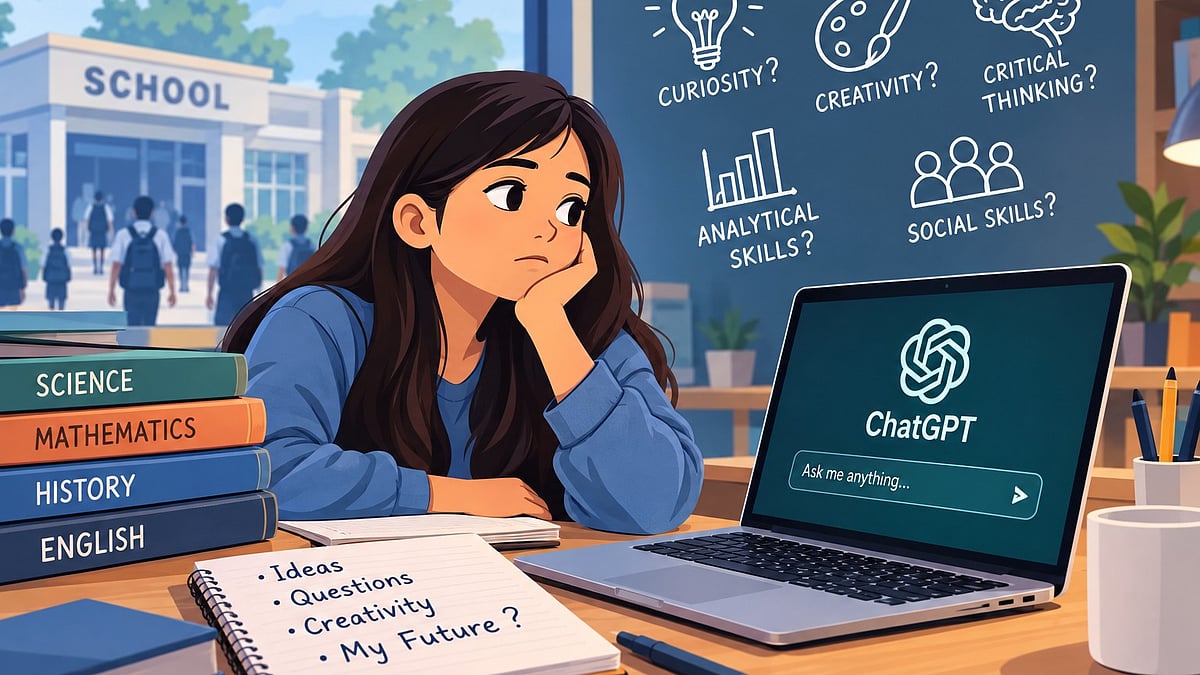
Bhopal Educators Warn AI Answers Are Weakening Student Curiosity

MIT Report Warns AI Could Weaken Student Learning

Editorial Warns AI Convenience Could Erode Human Reasoning
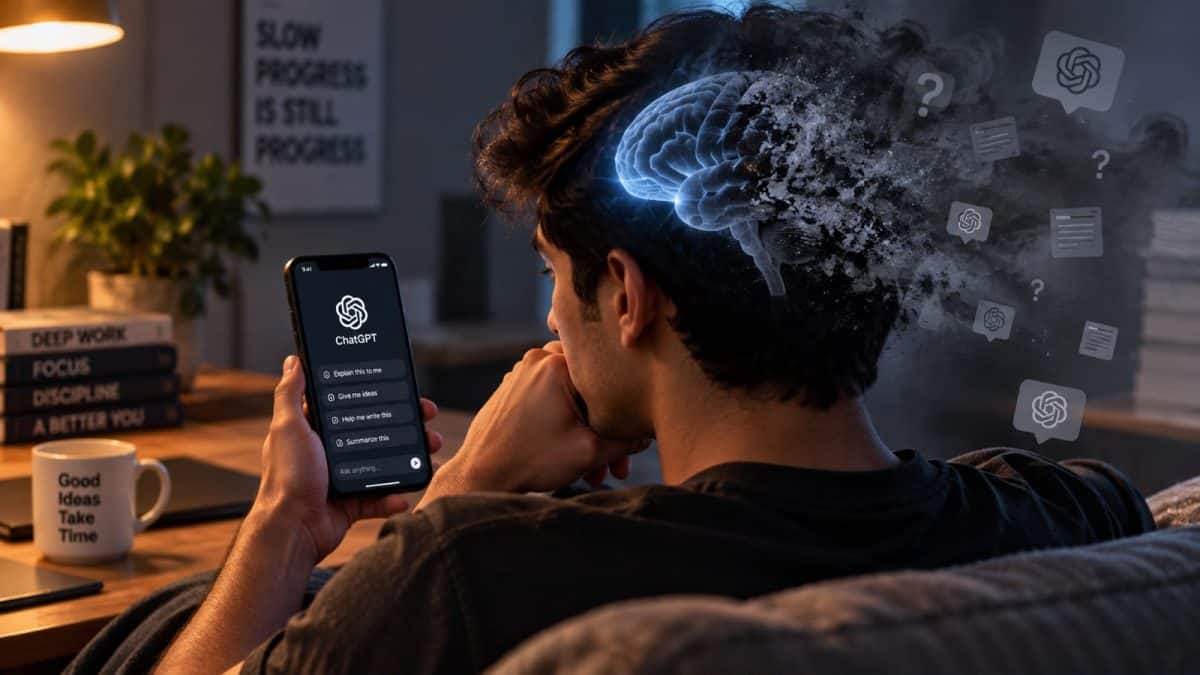
MIT Study Links ChatGPT Essay Use to Cognitive Debt

Hexaware Shares Rise 6% on Open AI Agents Collaboration
Man Reveals Heavy ChatGPT Use

Educators Teach Students to Spot Deepfakes