

2 hrs ago
Karnataka, Delhi Voter Roll Revision Raises Bulk Deletion Concerns
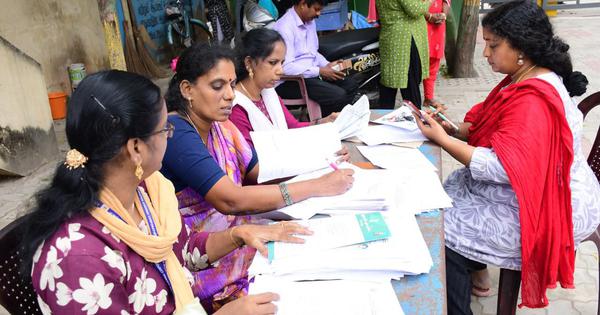
India is checking its voter lists through a process called the Special Intensive Revision.
In Karnataka, thousands of requests were made to remove voters from the lists.
A newspaper reported that many of the targeted voters were Muslims.
Some people submitted very large numbers of requests at once.
In Delhi, the online system allowed some booth agents to submit more than the usual daily limit.
Officials said they would examine the requests before removing anyone.
People who submit false objections may be punished.
Critics worry that genuine voters could lose their right to vote.
The Supreme Court has allowed the exercise but said the Election Commission cannot decide who is an Indian citizen.

More than 4,000 voter-deletion applications were filed in Karnataka, with The Hindu reporting that most targeted Muslims.
In Babaleshwar, 1,363 of 1,373 applications were filed by 10 people, while more than 1,700 were filed by 30 people in Bhalki.
Delhi’s online portal received more than 1,000 Form 7 objections, including 35 filed by one BJP booth-level agent in two days.
Election Commission guidelines limit booth-level agents to 10 Form 7 applications daily, but Delhi’s portal reportedly did not enforce the limit.
Officials said objections would be scrutinised, while critics have raised concerns about voter disenfranchisement and the implementation of the SIR.
- Who
- The Election Commission, booth-level agents, voters, officials, opposition groups and civil society organisations are involved.
- What
- A Special Intensive Revision of electoral rolls has generated large numbers of Form 7 requests to delete voters in Karnataka and Delhi.
- Where
- The reported cases involve Karnataka’s Vijayapura and Bidar districts and Delhi, with related disputes concerning West Bengal and Goa.
- When
- The reported bulk applications appeared mainly from September 22 to September 27; the wider exercise began in June 2025.
- Why
- The applications were submitted to remove voters from electoral rolls, while critics say the process could exclude genuine electors and influence election outcomes.
Critics, Opposition and Civil Society
Election Officials and Supporters of the Process
Large-scale deletion requests
Critics, Opposition and Civil Society
Critics point to the concentration of applications among a small number of people and The Hindu’s report that most Karnataka targets were Muslims as evidence of possible selective targeting.
Election Officials and Supporters of the Process
Officials in Bidar and Vijayapura said the objections would be scrutinised before any voter was removed.
Online filing limits
Critics, Opposition and Civil Society
Critics argue that Delhi’s portal allowed booth-level agents to bypass the guideline limiting them to 10 Form 7 applications per day and that application-level details were not published promptly.
Election Officials and Supporters of the Process
The Election Commission’s guidelines permit recognised-party booth-level agents to file applications in bulk, while officials require applications to be computerised and uploaded daily.
Effect on voter rights
Critics, Opposition and Civil Society
The Opposition and civil society groups have warned that the exercise could deny genuine electors their voting rights and have demanded the removal of Chief Election Commissioner Gyanesh Kumar.
Election Officials and Supporters of the Process
The Election Commission has said differing views during internal deliberations are normal and that the process is intended to safeguard voter rights; the Supreme Court upheld its legality.
Key facts
- Karnataka deletion applications
- More than 4,000 applications were filed during the revision; The Hindu reported that a majority targeted Muslims.
- Babaleshwar
- Of 1,373 applications received on September 22, 1,363 were filed by 10 people.
- Bhalki
- More than 1,700 deletions were sought by 30 people on September 23.
- Delhi objections
- More than 1,000 Form 7 objections were filed between September 21 and September 27.
- Daily limit
- Election Commission guidelines allow booth-level agents of recognised parties to file up to 10 applications daily after publication of the draft roll.
- Delhi deadline
- The deadline for claims and objections was extended from September 30 to October 30; the final roll is due December 4.
- Supreme Court position
- The Supreme Court upheld the legality of the exercise in May but said this does not allow the Election Commission to decide whether someone is an Indian citizen.
Quotes
Chitresh Chandoliya
A BJP booth-level agent in Delhi who filed 35 Form 7 objections in two days
“If I were to submit the forms to the EC office, I would not be allowed more than 10. You need to be a party-appointed BLA to fill forms in bulk. For online, there is no such condition.”
 scroll.in
“Differing views and observations are a normal part of deliberation in any institution. They are a part of the decision-making process before a final decision is taken.”
scroll.in
Sources
Related news
Karnataka SIR Faces Deletion Concerns and Voter Verification Confusion
Uttarakhand Extends SIR Deadline Amid Surge in Deletion Requests
Nearly 50,000 Form-7 Applications Seek Voter Deletions
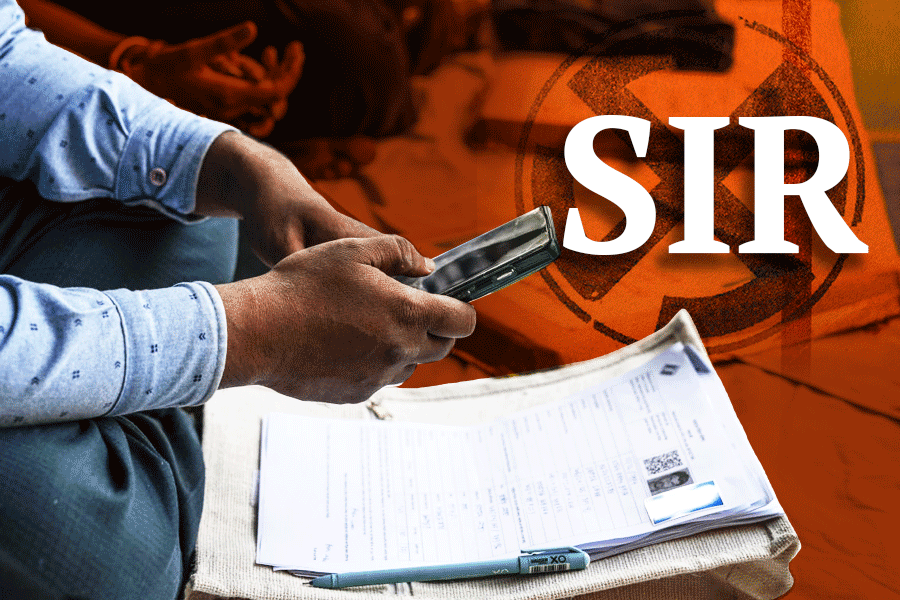
Jharkhand SIR Triggers Clash Over Alleged Targeted Voter Deletions

Godda Form 7 Dispute Raises National SIR Deletion Concerns
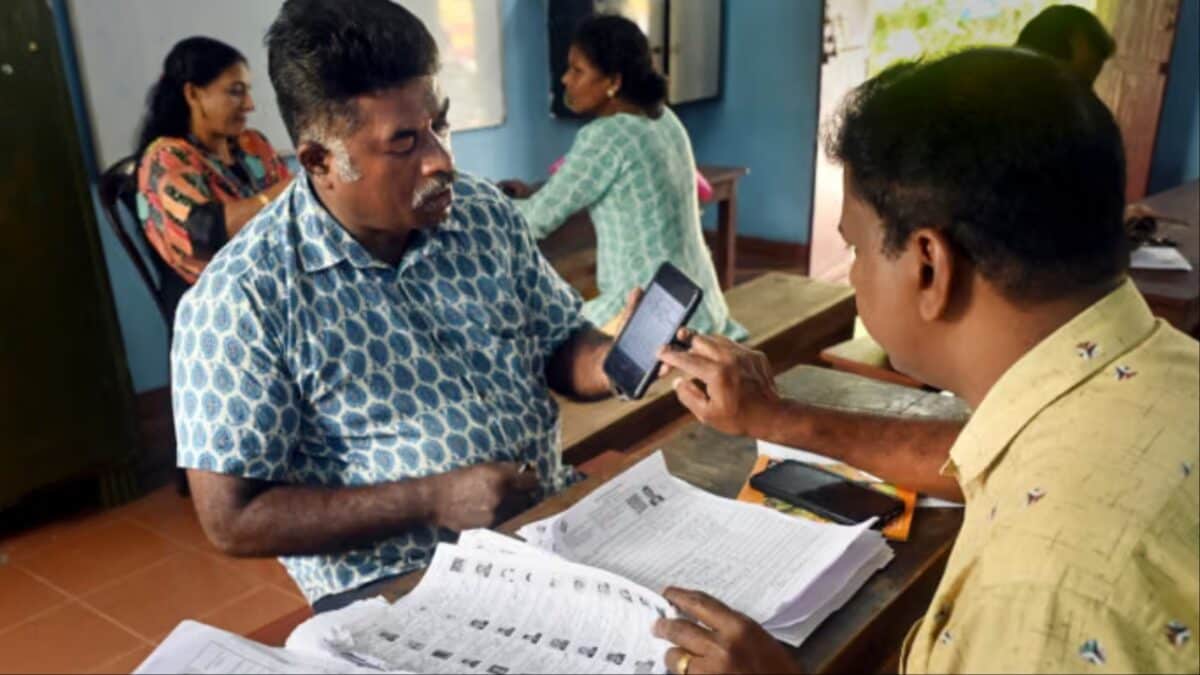
Nearly 11 Lakh Delhi Voters Deleted Before SIR
Amarinder Singh Raja Warring Steps Down As Punjab Congress Chief

Kerala Minister’s Vehicle Attacked Amid Escalating Student Clashes
Rajasthan Congress Rift Deepens Over Chief's Resignation Demand

Delhi High Court Refuses to Suspend Bihar MLA's Conviction
Eight UDP MLAs Join BJP, Reshaping Meghalaya’s 2028 Contest
