

2 hrs ago
Germany Prepares Hospitals for War, Drones and Mass Casualties
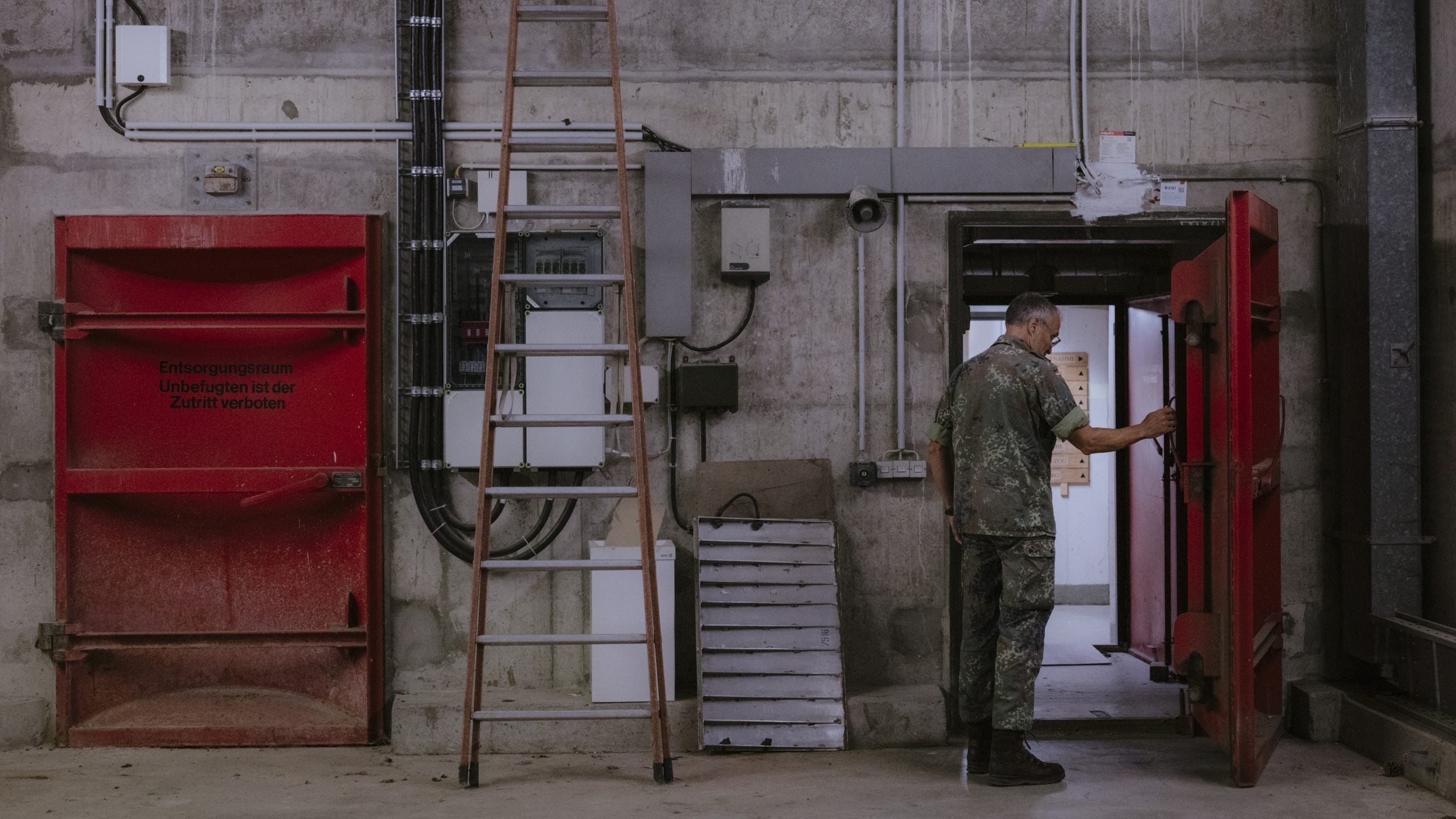
Germany is checking whether its hospitals could care for many wounded people during a war.
Officials are especially worried because Germany could become an important route for soldiers if NATO territory were attacked.
Military hospitals alone would not have enough space, so civilian hospitals might also have to help.
Doctors and nurses would need special training to treat large numbers of war injuries.
Germany also needs better supplies of medicines, blood products, power and hospital equipment.
Some hospitals are practicing emergency drills and examining underground spaces for protection.
A planned law could help officials see where beds, medicines and skilled workers are available.
Leaders say more preparation is needed because the healthcare system is important to keeping society functioning.

Germany is reviewing hospitals, infrastructure and supply chains for a potential defense scenario involving Russia and NATO.
A Bundeswehr report estimated that as many as 1,000 wounded soldiers could arrive in Germany each day during a conflict.
The country’s five military hospitals would quickly reach capacity, requiring civilian hospitals to treat military casualties.
Officials say Germany lacks enough trained staff, coordinated systems, emergency supplies and resilient medical infrastructure.
The government plans a Health Security Act to track beds, medicines and medically trained personnel in real time, but its timing remains uncertain.
- Who
- German government agencies, the Bundeswehr, military and civilian hospitals, medical professionals, and healthcare companies are preparing for potential wartime medical demands.
- What
- Germany is assessing and strengthening its healthcare system for possible mass casualties, military treatment, hybrid attacks and a NATO defense scenario.
- Where
- Across Germany, including military hospitals in Ulm and hospitals in Berlin and Brandenburg; the planning also considers a possible conflict involving NATO territory.
- When
- The preparations have intensified since Russia’s 2022 invasion of Ukraine; a major medical exercise took place in March, while the Health Security Act has been postponed from earlier expected dates.
- Why
- Germany could receive large numbers of wounded soldiers and would be required to support NATO allies if NATO territory were attacked.
Preparedness Concerns
Existing Responses
Readiness of the healthcare system
Preparedness Concerns
Medical leaders say Germany is not prepared for the scale of casualties outlined in military scenarios and needs better coordination, training, supplies and infrastructure.
Existing Responses
The Bundeswehr, hospitals, governments and medical organizations are conducting exercises, offering trauma courses, increasing some drug stocks and planning a nationwide coordination system.
Emergency infrastructure
Preparedness Concerns
Cold War facilities and hospital buildings require costly modernization, while just-in-time supply chains and limited funding leave vulnerabilities.
Existing Responses
The Ulm military bunker, hospital crisis teams and potential underground shelters provide facilities that could be adapted, while companies and hospitals are conducting resilience planning.
Key facts
- Estimated daily casualties
- A Bundeswehr scenario projected up to 1,000 wounded soldiers arriving in Germany each day.
- Military hospitals
- Germany has five military hospitals, which could quickly reach capacity during a conflict.
- Ulm bunker capacity
- The Cold War-era underground facility can house up to 2,000 people for 90 days.
- Medical training
- The most intensive wartime-injury courses train only about 50 to 100 surgeons annually.
- Medicine stockpiles
- German hospitals are advised to keep six weeks of intensive-care medicines.
- Health Security Act
- The proposed law would create a real-time overview of beds, medicines and personnel with war-relevant skills.
- Supply-chain vulnerability
- Germany and much of Europe depend on China for critical ingredients used in some antibiotics and painkillers.
Quotes
Benedikt Friemert
Chief medical director and commander of the Military Hospital in Ulm
“The healthcare system is central to the functioning of society. Social cohesion, and ultimately also public morale, depend significantly on whether we can uphold the promise of healthcare for people.”
 theprint.in
“At the moment we have these islands, the hospitals. Now it’s about connecting them to the overall system.”
theprint.in
Sources
Related news
Germany Blames Russia for Explosive Drone Attack Attempt

Germany Plans Anti-Sabotage Shield After Airport Drone Attack
Russia Rejects Germany’s Leipzig Airport Drone Attack Claims
Germany Investigates Two Power Grid Sabotage Attacks Amid Russia Fears
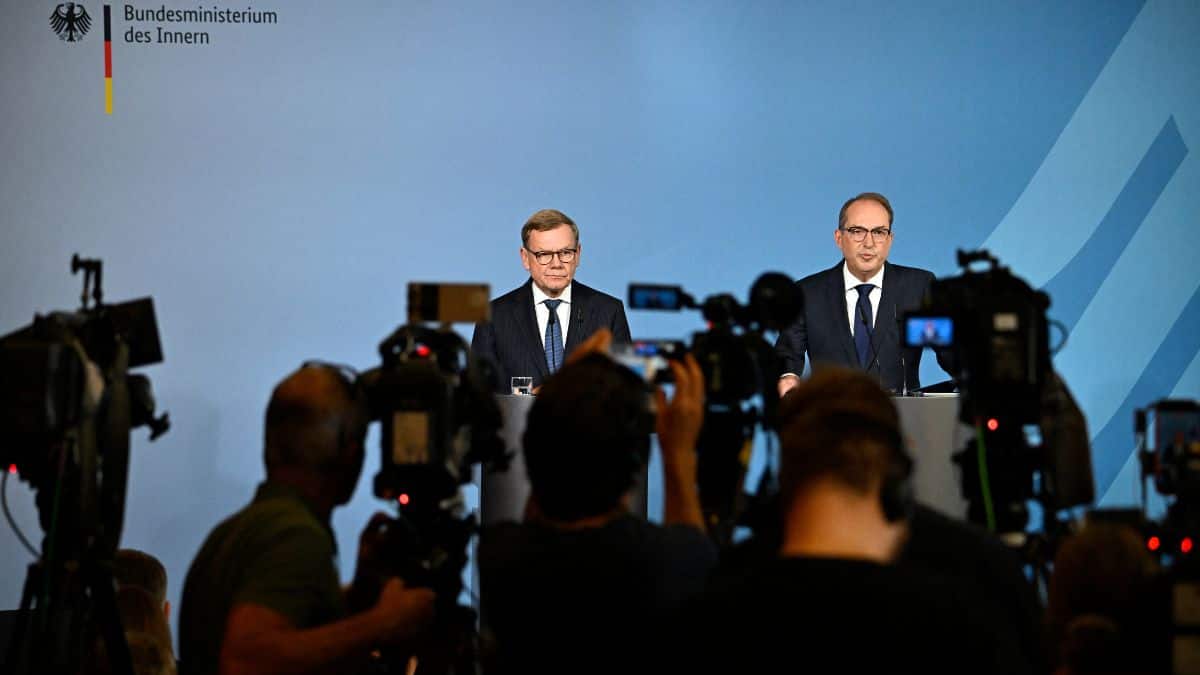
Germany Accuses Russia in Leipzig Drone Attack, Orders Retaliation
Germany to announce suspected drone attack culprit at Leipzig/Halle airport
