3 days ago
Sridhar Vembu Says Profit-Driven Economics Creates a Dystopian World
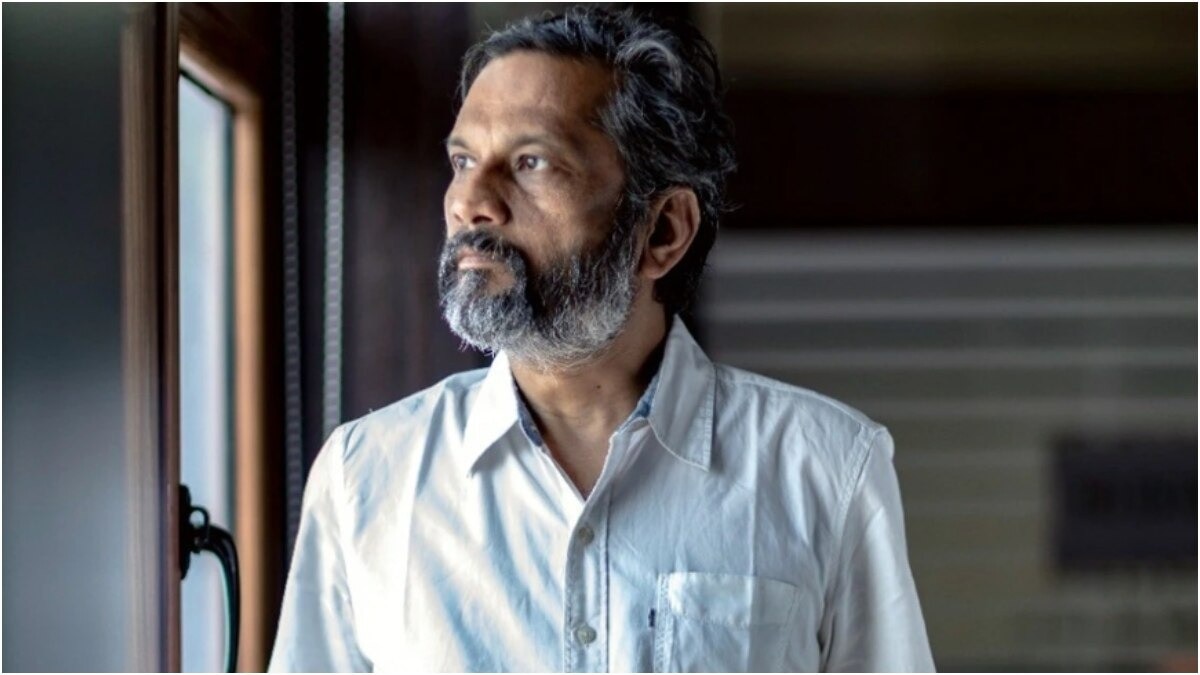
Sridhar Vembu says the world puts too much focus on making money.
He believes markets depend on things such as culture, teaching, nature and spirituality.
These important parts of life cannot be created only by buying and selling things.
Vembu thinks profit should help support these foundations.
He also says technology should be used to help people, not treated as the final goal.
Arindam Banerjee agreed with the idea but said one country cannot solve the problem alone.
Another commenter argued that many technology companies make money by keeping people attached to screens.
The discussion asked whether businesses that genuinely help people can succeed when addictive products are more profitable.

Sridhar Vembu argued that modern economics encourages nearly all human activity to become profit-driven.
He said markets depend on civilization, spirituality, culture and nature, which are not themselves created by market forces.
Vembu described profit as a means to sustain society’s foundations, rather than an end in itself.
He said technology should serve broader human purposes instead of being treated as an end.
Respondents questioned whether such ideas could work globally and claimed major technology companies profit from screen addiction.
- Who
- Former Zoho CEO Sridhar Vembu, Persistent Systems manager Arindam Banerjee and other online commenters.
- What
- They debated whether profit-driven economics and technology are producing harmful social incentives.
- Where
- In an online discussion about markets, economics and technology.
- When
- August 30, 2026, when Vembu posted the remarks online.
- Why
- Vembu argued that profit incentives can undermine civilization’s social and cultural foundations, while commenters questioned how the alternative could be implemented globally.
Critique of Profit-Driven Systems
Practical and Market-Based Concerns
Role of profit
Critique of Profit-Driven Systems
Vembu argued that profit should sustain the foundations of human civilization, rather than make every area of life profit-driven.
Practical and Market-Based Concerns
The discussion did not offer a full alternative economic model, and Banerjee questioned how Vembu’s concept could be implemented globally.
Technology’s purpose
Critique of Profit-Driven Systems
Vembu said technology should be treated as a tool serving broader human goals.
Practical and Market-Based Concerns
A commenter argued that major technology companies increasingly build products designed to keep people attached to screens because that business is highly profitable.
Global responsibility
Critique of Profit-Driven Systems
Vembu’s argument challenged the wider economic system that treats market incentives as central to human life.
Practical and Market-Based Concerns
Banerjee said the problem has been intensified globally, particularly by the United States, and cannot be solved by India alone.
Key facts
- Main speaker
- Sridhar Vembu, former Zoho CEO
- Core argument
- Modern finance and economic theory encourages human activity to become profit-driven.
- Foundations identified by Vembu
- Nature, nurture, culture and scripture, including food, teaching, entertainment and spirituality.
- View of technology
- Technology is a means to an end, not an end in itself.
- Implementation concern
- Arindam Banerjee said India cannot solve the issue by itself and questioned how it could be implemented worldwide.
- Technology criticism
- One commenter claimed many major technology companies make money from products that keep people hooked to screens.
Quotes
Arindam Banerjee
Senior Manager at Persistent Systems responding to Vembu's argument
“The 'market' that currently fashionable schools of economics like to extoll is built on a bedrock of human civilization, spirituality and culture and those are themselves not market driven.”
 businesstoday.in
“Theoretically, I agree with your concept, but I cannot see how this can be implemented in the whole world.”
businesstoday.in
Sources
Related news
Sridhar Vembu urges profit-free purpose for essential professions
Deepinder Goyal Says Companies Should Be Best for World
Drain of Wealth 2.0: India's Data and Tech Sovereignty

Philosopher-poet Jernail Singh Anand releases essays on modernity's 'ethical blank'

Bernstein Says India’s Economic Growth Reflects Policy Distortions
Why India Must Conserve Forex Despite Strong GDP Growth

Keralam Unveils GCC Boilerplate to Draw Firms to Kochi

Inc42’s D2C Summit Brings Retail Leaders Together In Gurugram