3 days ago
Weak Hydropower Output Tightens India’s Electricity Supply
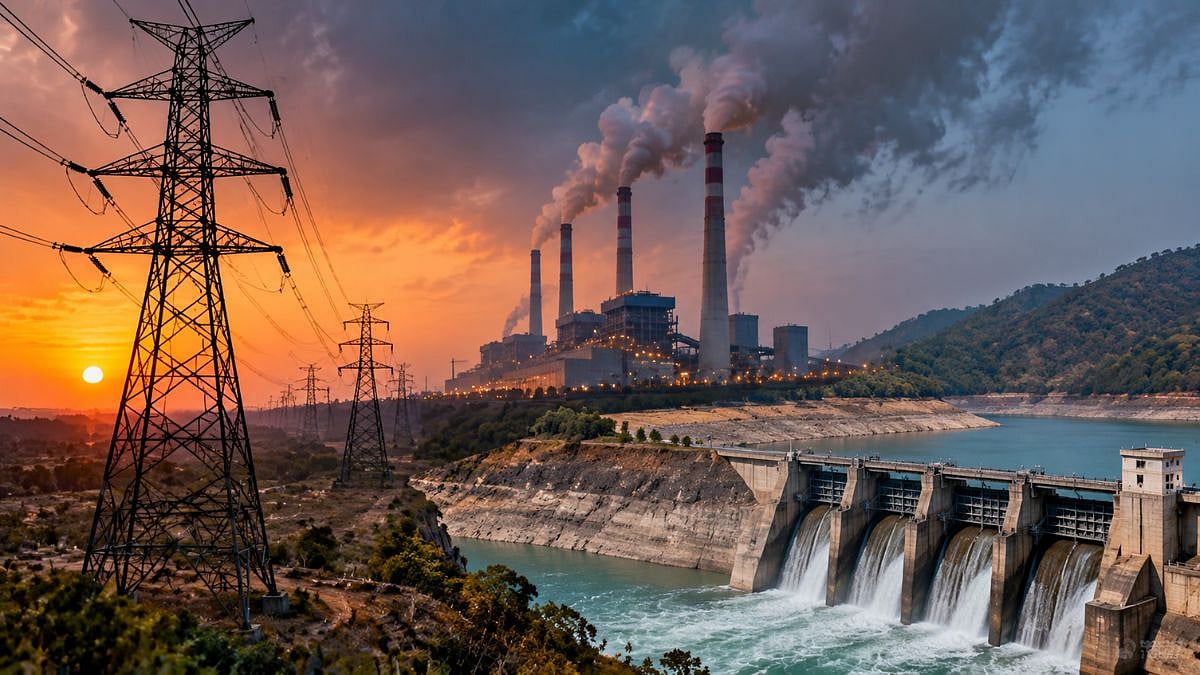
Several Indian states have asked the central government for more electricity.
They are concerned that supplies may not meet demand, especially at night.
Officials say lower hydropower output and maintenance at some plants have reduced available electricity.
In September, India’s power shortfall was the highest since August 2023.
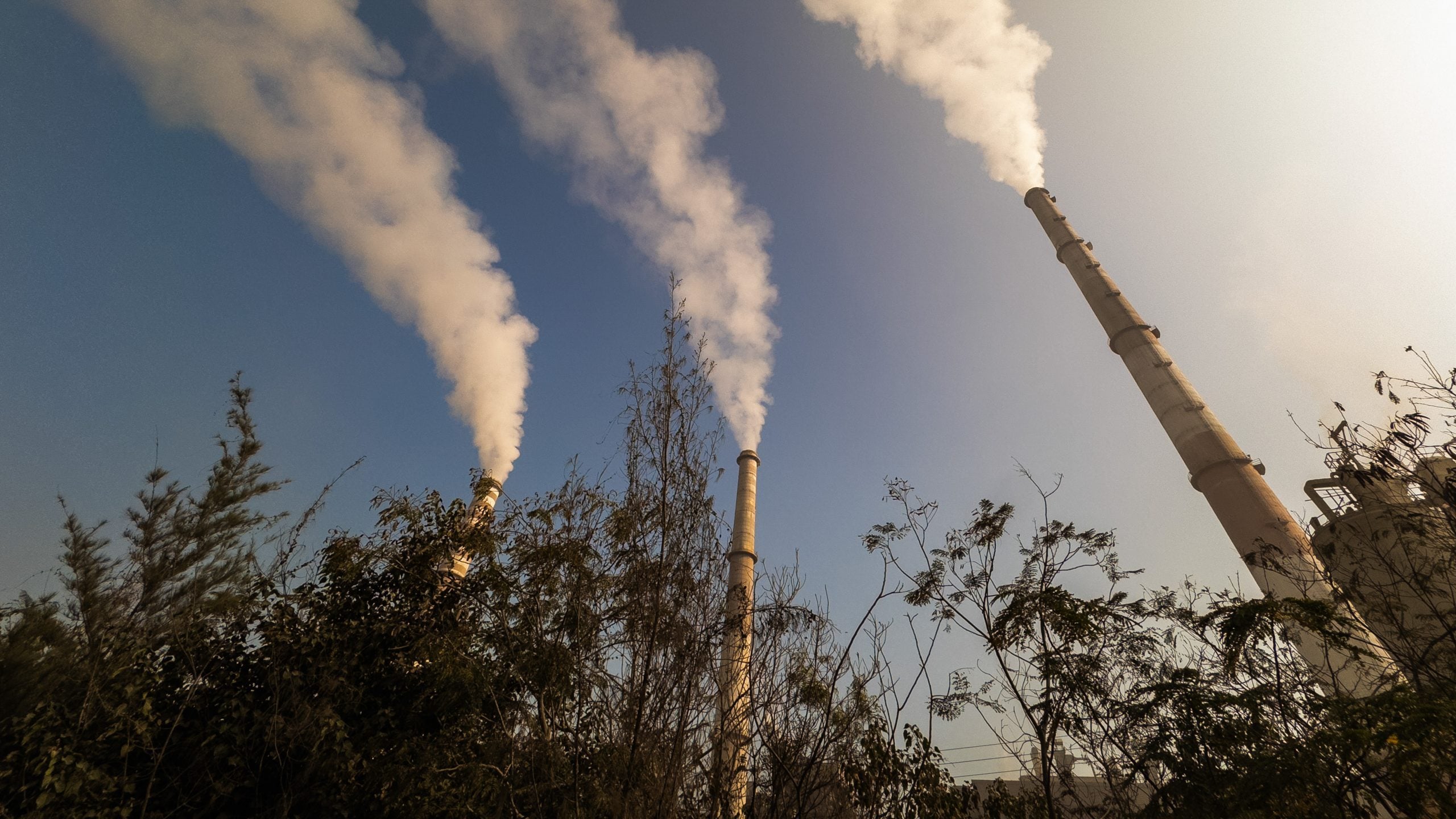
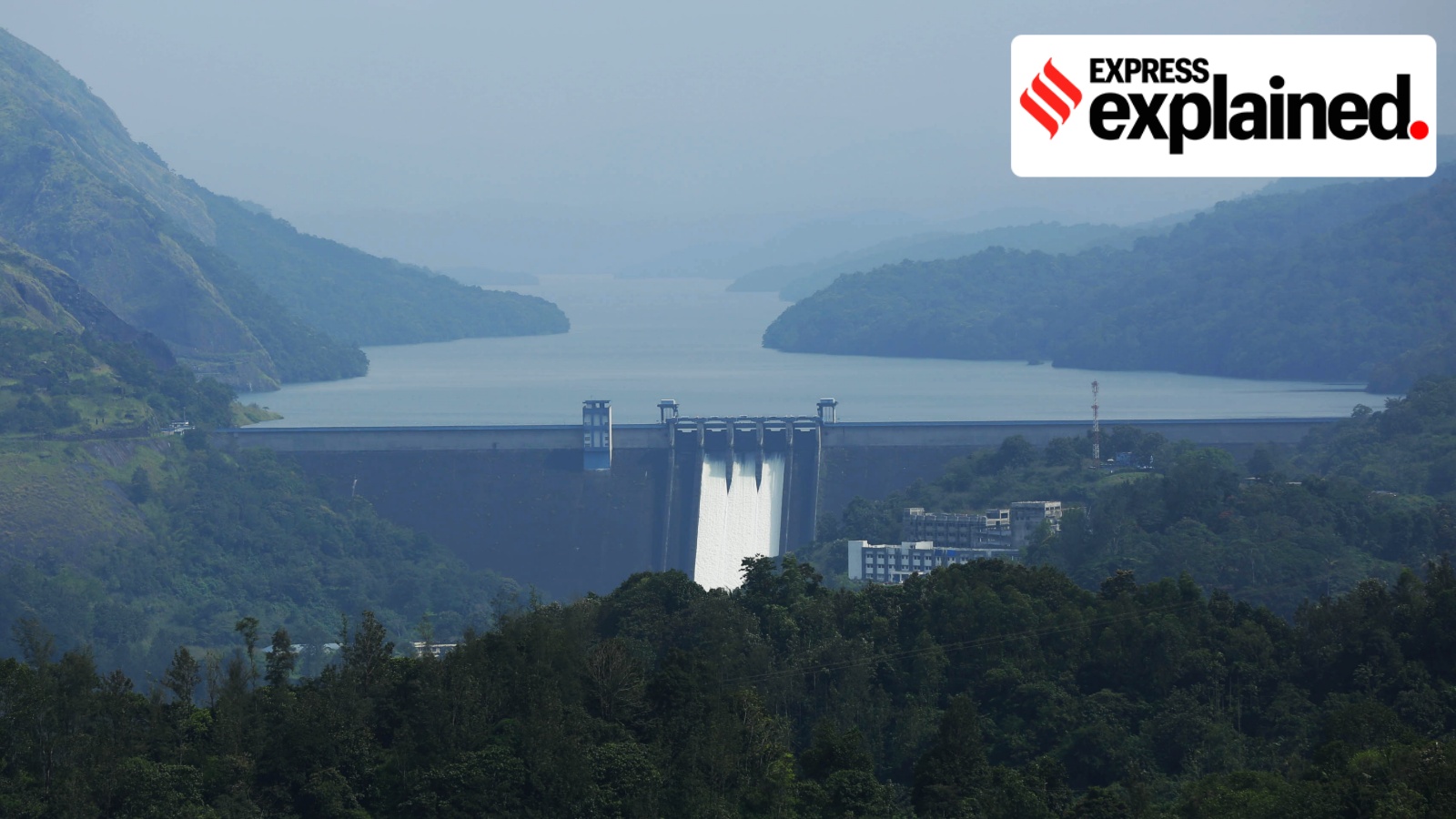
Coal-fired plants made more electricity than a year earlier, but hydropower output fell.
Many power plants were offline, and some coal plants had low fuel stocks.
Solar panels make electricity during the day, but limited batteries make it hard to save that power for nighttime.
Punjab has already received extra electricity after some areas had long outages.
An analyst also said high demand and electricity purchase costs added to the pressure.

Rajasthan, Gujarat and several other states have asked the central government for additional electricity.
Officials cited weaker hydropower output and plant maintenance as factors tightening nighttime supply.
India’s power shortfall reached 560 million kilowatt-hours in September, the highest since August 2023.
Coal-fired generation rose 13.3% year over year in September, while hydropower generation fell 20%.
Nearly 41 GW of generation capacity was offline, and limited battery storage restricts shifting daytime solar power to evening demand.
- Who
- Rajasthan, Gujarat and other Indian states seeking extra electricity, and the central government managing allocations.
- What
- States have requested additional power amid a shortfall linked to lower hydropower output, maintenance and strong demand.
- Where
- India.
- When
- The reported shortage and outages occurred in September; the year is not specified.
- Why
- Reduced hydropower and wind output, plant maintenance, high demand and limited battery storage have tightened supply.
Supply constraints
Demand and planning concerns
Reasons for the power squeeze
Supply constraints
Officials pointed to weaker hydropower after an El Niño-related decline in rainfall, as well as plant maintenance, as constraints on electricity available for redistribution.
Demand and planning concerns
Elara Securities analyst Rupesh Sankhe cited maintenance, weaker hydropower and wind generation, high industrial demand, and states’ failure to plan purchases for an extended summer.
Meeting additional state requests
Supply constraints
Officials said much of the central government’s available power has already been allocated, so further supplies could have to be withdrawn from other states.
Demand and planning concerns
The articles report no alternative allocation plan; Sankhe said electricity bought on exchanges had become expensive.
Key facts
- September power shortfall
- 560 million kilowatt-hours, the highest since August 2023.
- Coal-fired generation
- Rose 13.3% year over year in September.
- Hydropower generation
- Fell 20% year over year.
- Central government allocation pool
- Typically about 14 to 15 GW from coal and hydropower plants.
- Generation capacity offline
- Nearly 41 GW, according to Grid India data.
- Coal plant fuel stocks
- About 47% of coal plants had critical levels, below a quarter of mandated supplies.
- States seeking extra power
- Rajasthan, Gujarat, Maharashtra, Tamil Nadu, Andhra Pradesh, Bengal, Uttar Pradesh, Chhattisgarh and Delhi.
- Punjab outages
- Some areas experienced outages lasting up to 14 hours a day in September; the state received extra supplies.
Sources
Related news
India’s Power Shortage Surges as Weak Monsoon Squeezes Hydropower
India's Power Grid Faces Evening Shortages as Demand Surges

Kerala Power Cuts Continue Amid Electricity Supply Shortage
India’s September Power Deficit Hits Decade High Amid Weak Monsoon
India Orders Coal Plants To Boost Power Amid Shortages
Keralam's Summer Power Crisis Persists Amid Demand and Monsoon Shortfalls

Elara Raises Sun TV Target as IPL Franchise Values Surge

Defence Orders Reach Rs 8,600 Crore as Suppliers Benefit

India’s Defence Boom Faces a Test of Execution and Deliveries

Paint Stocks Fall as Festive Demand Faces Uncertainty