

10 months ago
Maharaja Ranjit Singh's Secular Legacy Re-examined at Military Literature Festival
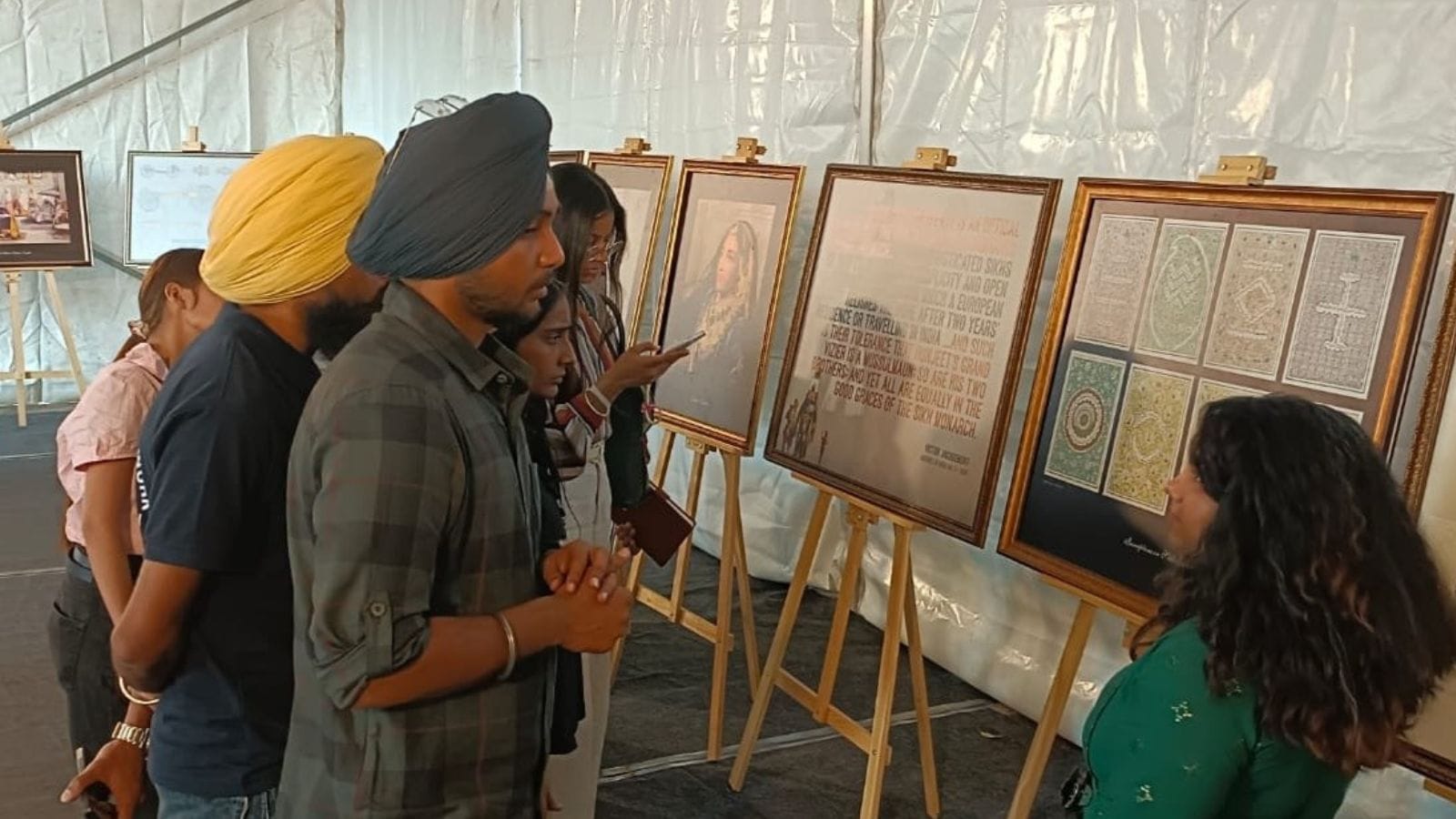
Imagine a king named Ranjit Singh who ruled a long time ago.
Some people call his kingdom the 'Sikh Empire' because he was Sikh.
But a researcher named Amardeep thinks that's not the whole story.
He said that Ranjit Singh's government and army were like a big team with people from many different religions and backgrounds, not just Sikhs.
They had Muslims, Hindus, and even Europeans working together.
This team worked to protect their land from invaders, building forts and exploring new places like Ladakh and Tibet.
Even when some soldiers were captured in faraway lands, they stayed, made families, and became part of those new communities.
So, the researcher wants everyone to remember that Ranjit Singh's rule was fair and included everyone, like a well-run, diverse team, and not just about one religion.

The 9th Military Literature Festival session called for viewing Maharaja Ranjit Singh's reign as secular and inclusive.
Researcher Amardeep Singh argued the term 'Sikh Empire' is a colonial construct and that the administration, Lahore Darbar or Khalsa Sarkar, was pluralistic.
Ranjit Singh's military and civil institutions included Sikhs, Muslims, Hindus, Dogras, and Europeans.
Key military figures like Hari Singh Nalwa secured frontiers and expanded the empire into areas like Multan, Kashmir, and the Khyber Pass.
General Zorawar Singh led campaigns into Ladakh, Baltistan, and western Tibet, with some soldiers later integrating into Tibetan society, illustrating the Darbar's diverse legacy.
- Who
- Amardeep Singh, visual ethnographic researcher, presented findings on Maharaja Ranjit Singh's reign.
- What
- The presentation advocated for viewing Maharaja Ranjit Singh's reign as a secular and inclusive model of governance, challenging the term 'Sikh Empire'.
- Where
- Lake Club, during the 9th Military Literature Festival.
- When
- The concluding session of the 9th Military Literature Festival, held on a Saturday.
- Why
- To re-examine and promote a more accurate, pluralistic understanding of Maharaja Ranjit Singh's historical administration.
Secular & Inclusive Governance
Religious Definitions
Empire Naming
Secular & Inclusive Governance
The term 'Sikh Empire' largely originated in British colonial writing and doesn't reflect the pluralistic reality of Ranjit Singh's administration, which referred to itself as the Lahore Darbar or Khalsa Sarkar.
Religious Definitions
The empire is often referred to as the 'Sikh Empire', emphasizing its religious identity.
Representation in Administration
Secular & Inclusive Governance
Ranjit Singh's army and administration included Sikhs, Muslims, Hindus, Dogras, and Europeans, with several senior generals and administrators from Muslim and Hindu communities, reflecting the diversity of Punjab.
Religious Definitions
Focusing solely on religious identity narrows the empire's vast and shared heritage.
Key facts
- Event
- 9th Military Literature Festival (MLF)
- Topic
- Maharaja Ranjit Singh's secular and inclusive governance
- Key Presenter
- Amardeep Singh (Visual Ethnographic Researcher)
- Key Military Figures Mentioned
- Hari Singh Nalwa, Zorawar Singh
- Geographical Areas Discussed
- Ladakh, Baltistan, Western Tibet, Khyber Pass, Multan, Kashmir
- Key Fortifications
- Jamrud Fort (1836)
Quotes

Amardeep Singh
visual ethnographic researcher
“Ranjit Singh’s army and administration reflected the diversity of Punjab of that era. Several senior generals and administrators came from Muslim and Hindu communities, alongside Sikhs and Europeans. To see this empire only through a religious identity narrows its vast and shared heritage.”
 indianexpress.com
“The Lahore Darbar was built through shared contributions.”
indianexpress.com
Sources
Related news

Delhi Exhibition Reexamines Emily Eden’s Portraits of India
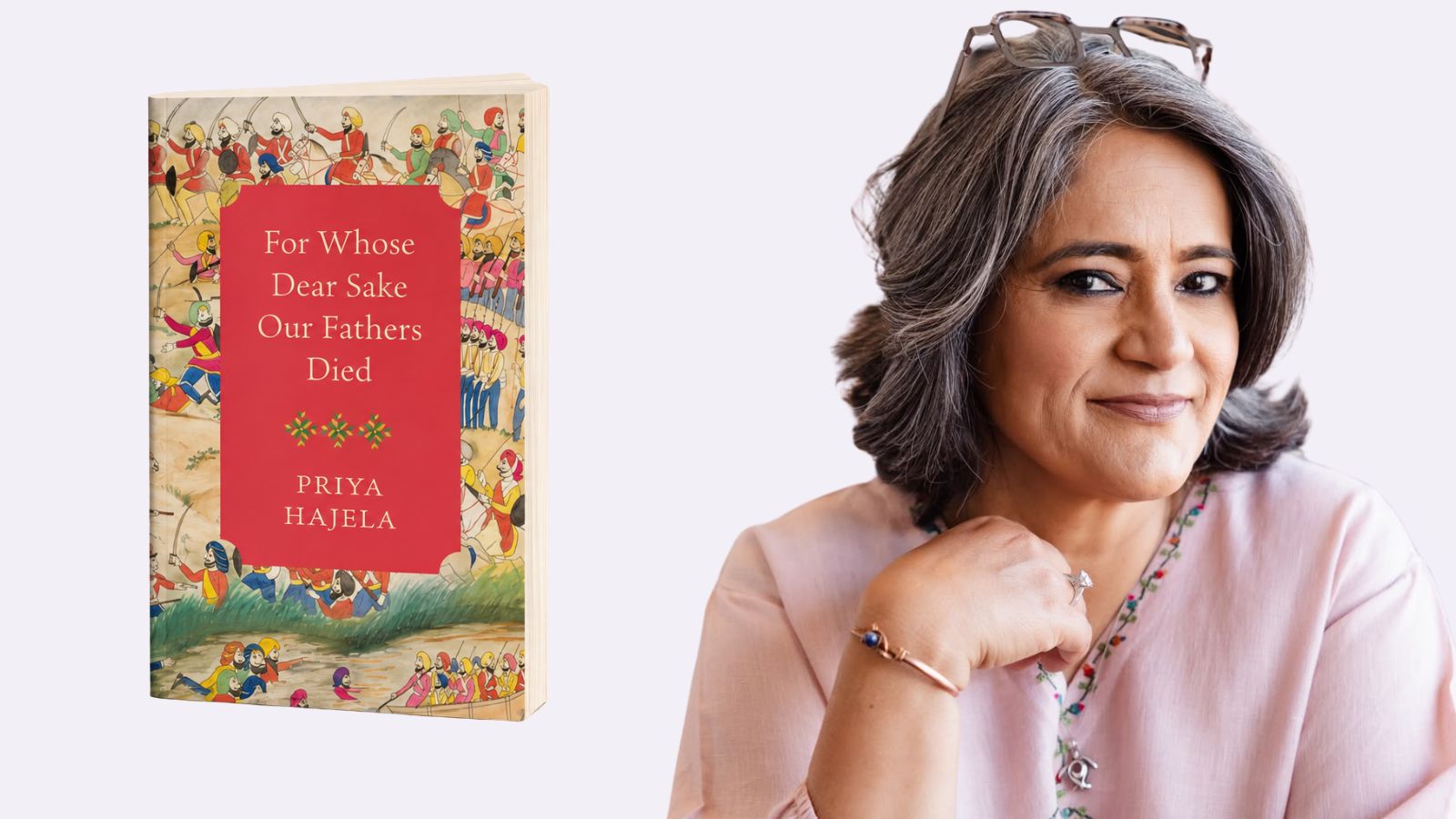
Priya Hajela’s Novel Reexamines Colonial History Through Family Trauma
BJP Accuses Punjab CM, Wife in Alleged Rape-Case Racket

Gorilla-Led Traffic Campaign Draws Attention In Indore
AAP’s Punjab Power Chessboard Faces Growing Political Pressure
