

1 hr ago
Supreme Court Upholds Stepmother’s Rights in Karnataka Property Dispute

A man named Ganapati said he should own two properties left by his father.
His stepmother, Kashibai, had received a legal interest in her husband’s property when he died.
A later law changed that limited interest into full ownership, the Supreme Court said.
The court also said that a formal division of the property was not needed for this change.
Kashibai had made a Will leaving the properties to her daughter, Shakuntala.
Shakuntala later sold one of them to Baburao.
The court upheld those transfers and rejected Ganapati’s claim to own everything.
The case was about how laws governing inheritance affected the family’s property rights.

The Supreme Court rejected Ganapati’s claim to exclusive ownership of two properties in Terdal, Karnataka.
Gangaram died in 1949, and his widow Kashibai later died in 1986.
The court held that Kashibai acquired an interest in her husband’s share under the Hindu Women’s Rights to Property Act, 1937.
It ruled that Section 14(1) of the Hindu Succession Act, 1956, enlarged her limited interest into absolute ownership, without requiring a formally proved partition.
Kashibai’s Will to her daughter Shakuntala and Shakuntala’s later sale of one property to Baburao were upheld.
- Who
- Ganapati challenged the property transfers made by his stepmother, Kashibai, to her daughter, Shakuntala.
- What
- The Supreme Court rejected Ganapati’s claim to exclusive ownership and upheld the transfers.
- Where
- Two houses in Terdal village, Bagalkot district, Karnataka.
- When
- The judgment was dated September 22, 2026; the dispute followed Gangaram’s death in 1949 and Kashibai’s death in 1986.
- Why
- The court held that Kashibai acquired an interest in her husband’s share under the 1937 Act, which became absolute ownership under Section 14(1) of the 1956 Act.
Ganapati’s claim
Kashibai and Shakuntala’s rights
Who was entitled to the properties?
Ganapati’s claim
Ganapati argued that, as Gangaram’s son under Mitakshara law, he was entitled to his father’s interest and exclusive ownership of the properties.
Kashibai and Shakuntala’s rights
The court held that Kashibai acquired a statutory interest in her husband’s share, which later became absolute ownership and allowed her to leave it to Shakuntala.
Was formal partition required?
Ganapati’s claim
Ganapati disputed the basis for Kashibai’s claim, including whether an alleged oral partition had been proved.
Kashibai and Shakuntala’s rights
The court ruled that a formally proved partition was not necessary for Kashibai’s limited interest to become absolute under Section 14(1).
Key facts
- Court
- Supreme Court of India
- Judgment date
- September 22, 2026
- Properties
- Two houses in Terdal village, Bagalkot district, Karnataka
- Father’s death
- Gangaram died in 1949
- Widow’s death
- Kashibai died in 1986
- Relevant 1937 law
- Hindu Women’s Rights to Property Act, 1937
- Relevant 1956 law
- Section 14(1) of the Hindu Succession Act, 1956
Sources
Related news

Madras HC Upholds Daughter’s Inheritance After Mother’s Remarriage

Himachal Pradesh High Court Says Marriage Alone Cannot Bar Inheritance

Supreme Court Orders Status Quo in Sridevi Property Dispute

Delhi High Court Rejects Son’s Claim to Mother’s Property

Who Owns Property Bought for Parents With a Child’s Money?
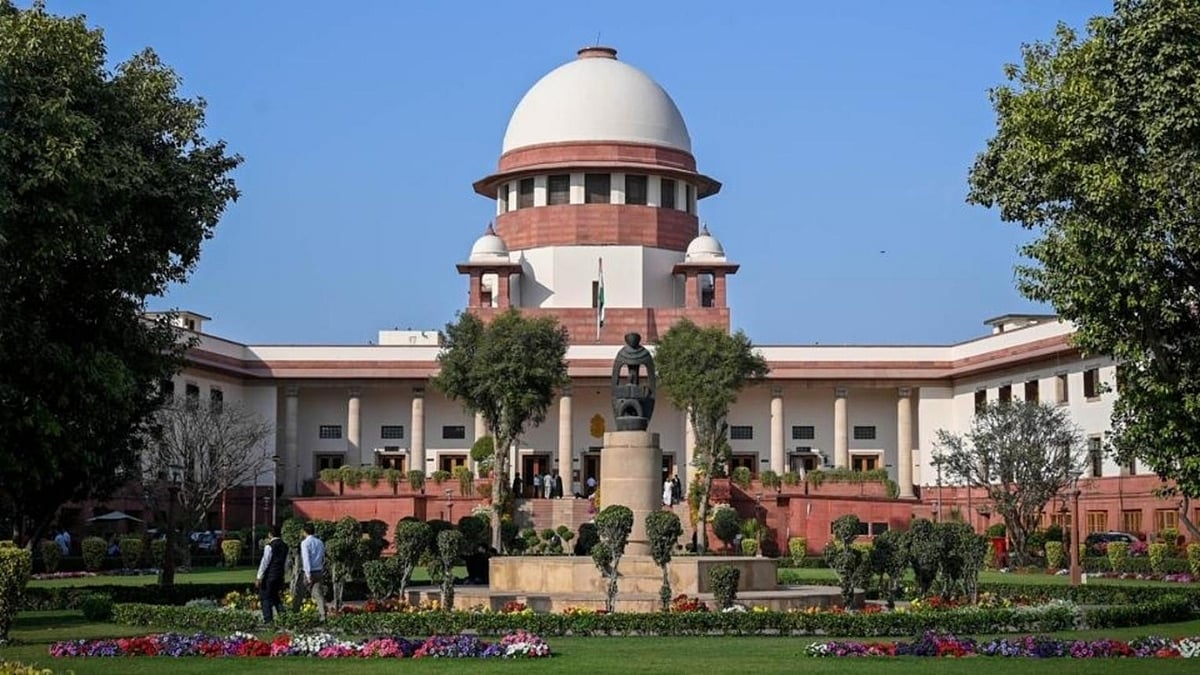
Supreme Court Links Muslim Inheritance Challenge To Sabarimala Verdict

EC Publishes ASDD Voter List, Reopens Electoral Roll Applications
Kishan Reddy Accuses Rahul Gandhi of Undermining Institutions
Tipra Motha Chief Pradyot Debbarma to Exit Active Politics
BJP Accuses Rahul Gandhi of Stirring Anarchy Over Vote-Chori