3 weeks ago
Indian Retail F&O Losses Reach ₹91,685 Crore Despite SEBI Curbs
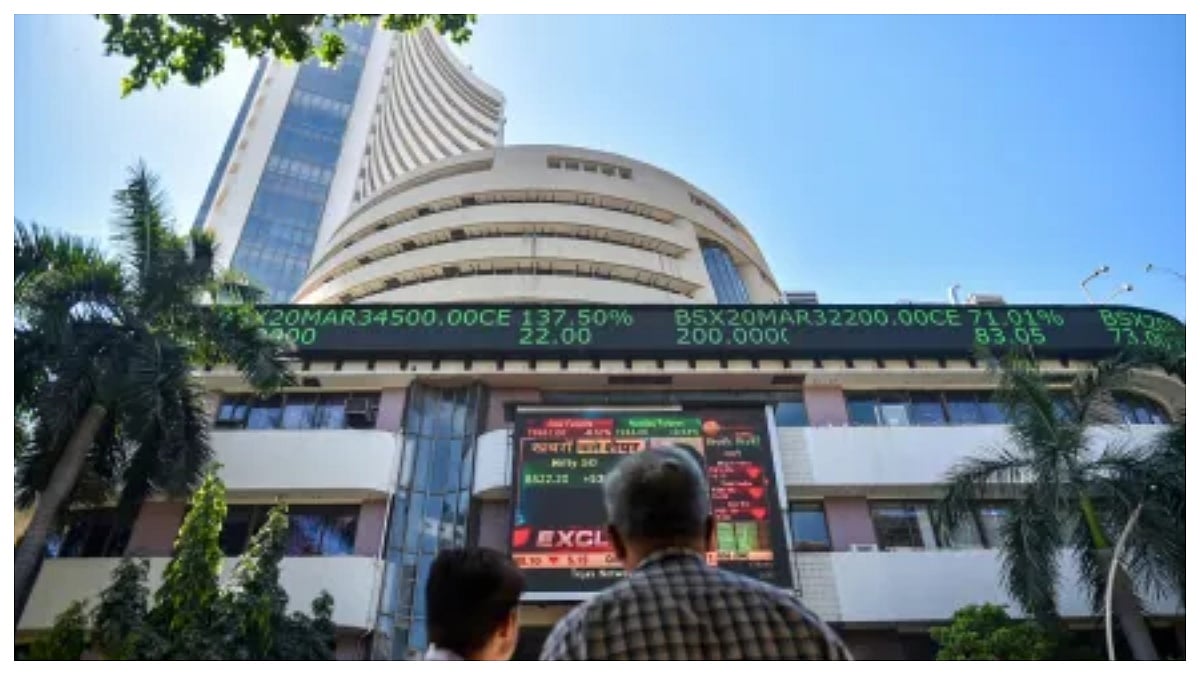
Some grown-ups in India play a money game called trading, where they guess whether the price of a company's shares will go up or down.
A very risky version of this game is called futures and options, or F&O for short.
Last year, the people who played this risky game lost a huge amount of money — ₹91,685 crore.
A rule-making organization called SEBI tries to keep people safe by making the game harder and safer to play.
This year, fewer people played, and the total losses were a little smaller than the year before.
The number of players dropped from almost 10 million to fewer than 8 million.
But the people who kept playing still lost a lot of money, which shows the safety rules did not fully work.
The market where the game is played also became quieter, with less money moving through it.
Some experts say the safety rules are good, but they must make sure the game still works well for everyone else.

Indian retail investors lost ₹91,685 crore from equity futures and options (F&O) trading in the financial year ended March (FY26), according to data shared by Minister of State for Finance Pankaj Chaudhary.
The losses were lower than the previous year's ₹1.1 trillion, and the number of active traders declined to fewer than 8 million from 9.8 million.
SEBI's measures — larger contract sizes, tighter position limits and additional safeguards — have not fully curbed retail losses, after its study found nine out of 10 retail traders incur losses in derivatives.
Average daily notional F&O turnover on the National Stock Exchange fell 23% to ₹214 trillion in July from June, a 17-month low, while retail traders still held nearly 31% of equity derivatives trading.
Experts said regulators need to balance limiting speculative activity with protecting market liquidity and institutional participation.
- Who
- Indian retail (individual) investors, with data shared by Minister of State for Finance Pankaj Chaudhary.
- What
- Retail investors recorded ₹91,685 crore in equity F&O trading losses in FY26 despite SEBI's curbs on derivatives, though losses and active participant numbers fell from the previous year.
- Where
- India, including futures and options listed on the National Stock Exchange (NSE).
- When
- Financial year ended March (FY26), with market turnover data covering July compared with June.
- Why
- SEBI sought to curb risky derivative trading after its study showed nine out of 10 retail traders lose money, but losses and high retail participation have continued.
Retail investor protection
Market liquidity and growth
Derivatives regulations
Retail investor protection
SEBI's curbs are justified because its study found nine out of 10 retail traders lose money, so bigger contract sizes and tighter position limits protect individual investors from excessive risk.
Market liquidity and growth
The restrictions have broader impacts — NSE turnover hit a 17-month low and proprietary traders' share of turnover fell — so the full effect of the curbs needs assessment, balancing speculation limits with market liquidity and institutional participation.
Effectiveness of curbs
Retail investor protection
Regulatory steps have had some effect, as losses fell to ₹91,685 crore from ₹1.1 trillion and active traders dropped from 9.8 million to under 8 million.
Market liquidity and growth
Continued losses and the rise in retail share of equity derivatives trading to nearly 31% indicate the regulatory measures have had limited impact.
Key facts
- Retail F&O losses (FY26)
- ₹91,685 crore
- Previous year losses
- ₹1.1 trillion
- Active retail traders
- Fewer than 8 million, down from 9.8 million
- NSE average daily F&O turnover (July)
- ₹214 trillion, down 23% from June
- Retail share of equity derivatives
- Nearly 31%, up from 26% a year earlier
- Proprietary traders' share (June)
- 58.1%, down from more than 60% last year
- SEBI measures
- Larger contract sizes, tighter position limits, additional safeguards
- RBI measures
- Stricter funding norms for proprietary traders and brokers
Quotes

Pankaj Chaudhary
Minister of State for Finance
“The losses were lower than the previous year’s ₹1.1 trillion, while the number of active traders also declined to less than 8 million from 9.8 million”
 freepressjournal.in
Sources
Related news

SEBI curbs retail F&O losses by 18 percent in FY26

SEBI Curbs Slow Retail Derivatives Rush as Losses Persist

Persisting Retail F&O Losses Renew Calls for Tighter Eligibility Rules

SEBI Finds 88% of Individual Derivatives Traders Lost Money

SEBI Report Urges Stronger Measures Against Retail F&O Speculation

Prop Traders Profit as Indian Retail Derivatives Losses Narrow
Vodafone Idea Shares Rise as Brand Revamp Draws Investor Attention

Augmont Enterprises Rises Despite Gold-Buying Appeal and Market Risks

BSE Shares Fall as New Closing Auction Session Draws Scrutiny

BSE Seeks Common Order Book to Boost Closing Auctions

Kamath Says FII Panic Selling Often Precedes Market Gains