58 mins ago
Rare 10th-Century Ganesha Idols Showcase Parmar Artistry in Madhya Pradesh
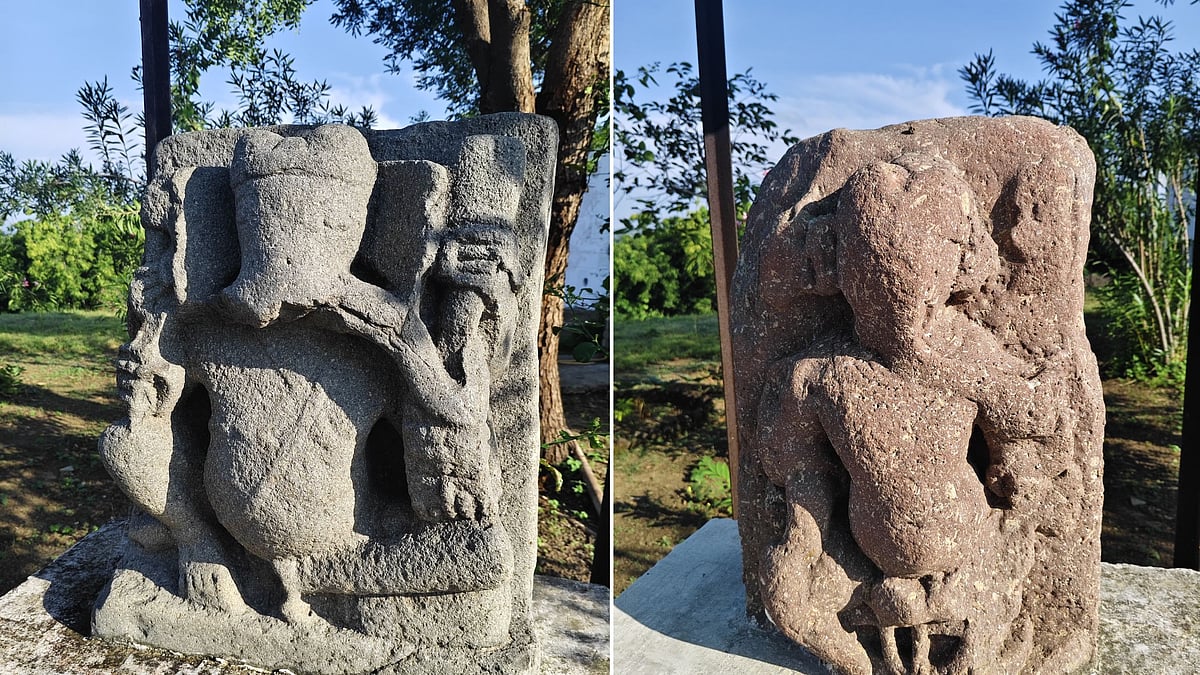
A museum near Kasrawad has about 10 very old statues of Ganesha.
The statues were found in areas near the Narmada that were affected by submergence.
Experts believe they were made around the 10th or 11th century.
They are linked to the Parmar style of art.
Some statues show Ganesha sitting, while others show him standing.
One rock even has several forms of Ganesha carved into it.
The statues have detailed features such as large ears, long trunks and many arms.
Rain, wind and natural erosion have damaged some of the carvings.
Local people want the statues to be protected and explained properly to visitors.

Around 10 historic Ganesha idols are preserved at a hilltop District Archaeological Museum near Kasrawad.
The statues were collected from Narmada submergence areas, including Khargone, Barwani, Barwaha and Vodri.
Dating to approximately the 10th-11th centuries AD, the idols are associated with the Parmar art tradition.
The sculptures depict Ganesha in seated and standing postures, including multiple forms carved on a single rock.
Weather exposure and erosion have damaged some idols, prompting calls for scientific conservation, better displays and information boards.
- Who
- The District Archaeological Museum near Kasrawad preserves the idols; Sultan Anant Singh described their archaeological importance.
- What
- Around 10 ancient Ganesha idols associated with Parmar-era art are being displayed and preserved.
- Where
- At a hill near Kasrawad in Madhya Pradesh, with the statues collected from Narmada submergence areas including Khargone, Barwani, Barwaha and Vodri.
- When
- The idols date approximately to the 10th-11th centuries AD.
- Why
- The statues are significant examples of ancient regional art, religious traditions and history, but require protection from weather and erosion.
Key facts
- Collection size
- Around 10 Ganesha idols
- Estimated period
- Approximately the 10th-11th centuries AD
- Art tradition
- Parmar art tradition
- Museum location
- A hill near Kasrawad, Madhya Pradesh
- Source areas
- Narmada submergence areas, including Khargone, Barwani, Barwaha and Vodri
- Conservation concern
- Several statues are worn or damaged by environmental exposure and natural erosion
- Requested measures
- Scientific conservation, proper display and historical information boards
Sources
Related news
Rare 12th-Century Bala Ganesha Sculpture Found in Adilabad District
Mumbai Ganpati Aagman Showcases Unique Murtis and Processions
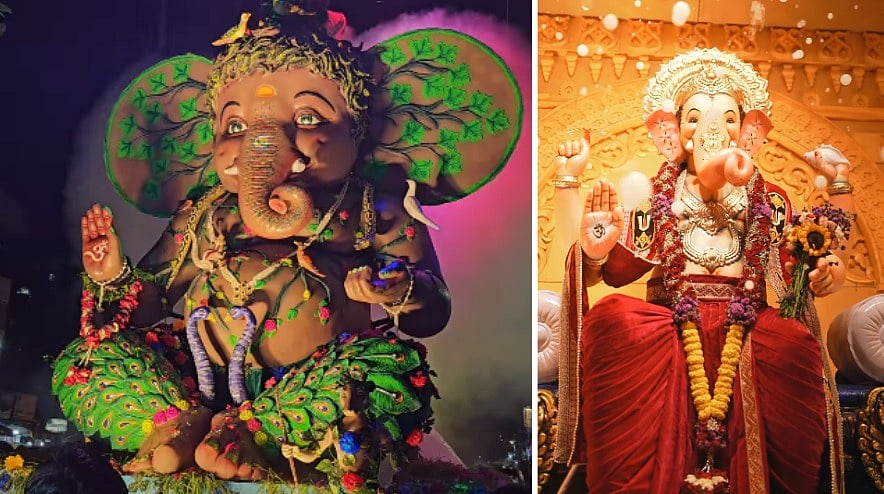
Indore Ganesh Pandals Showcase Clay Idols and Royal Darbars
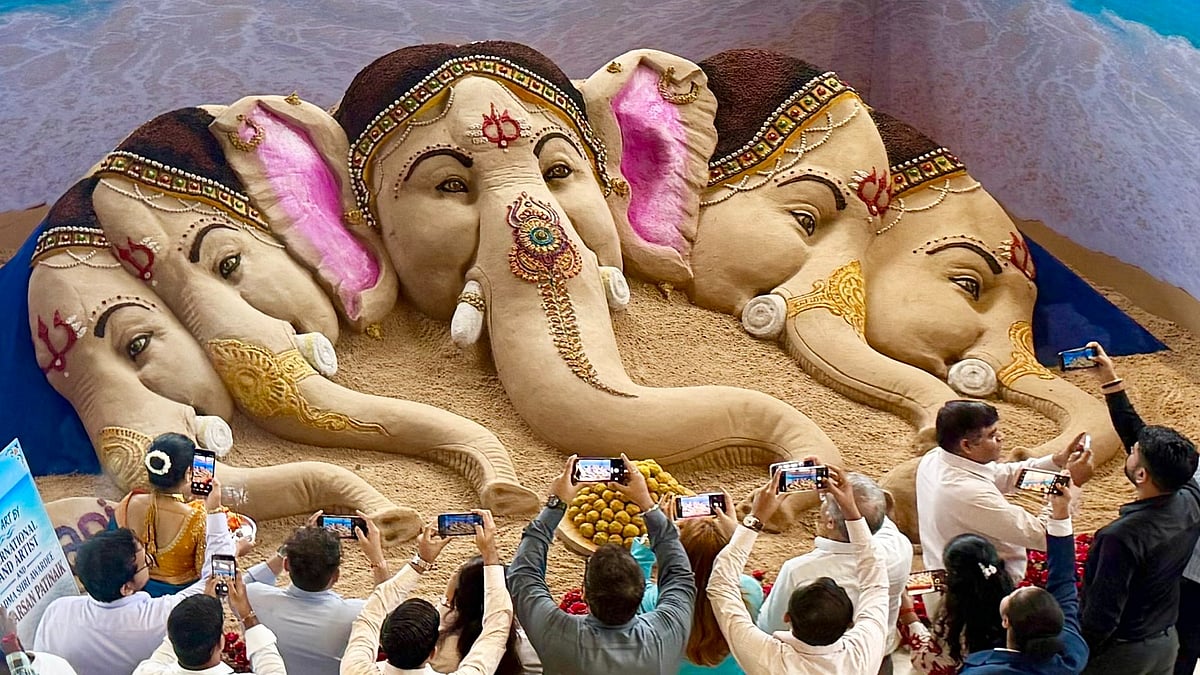
Sudarsan Pattnaik Creates Panchmukhi Ganesha Sand Sculpture In Thane
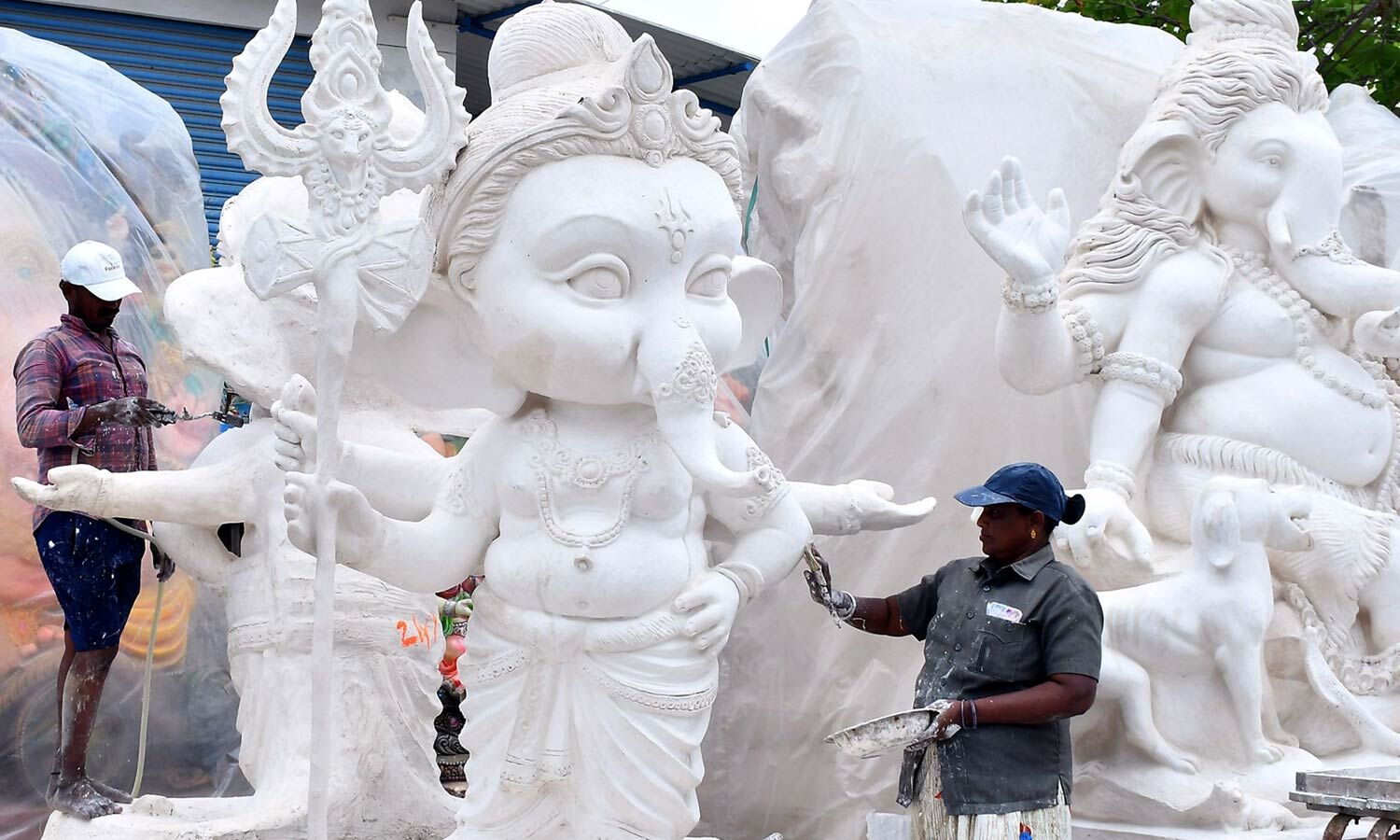
Trendy Ganesh idols drive booming Nunna festival market
Ancient Ganesha Temple in Manawar Draws Ganesh Chaturthi Devotees
Worker Dies During Ganesh Idol Immersion Electrocution In Mumbai
Thane Records 17,092 Ganesh, Gauri Idol Immersions on Sixth Day
Eco-Friendly Ganpati Makhar Contest Held In Nadgaon Village
Supreme Court-Themed Eco-Friendly Ganesh Idol Draws Devotees in Warangal