2 hrs ago
Delhi High Court Debate Tests Limits of Personality Rights
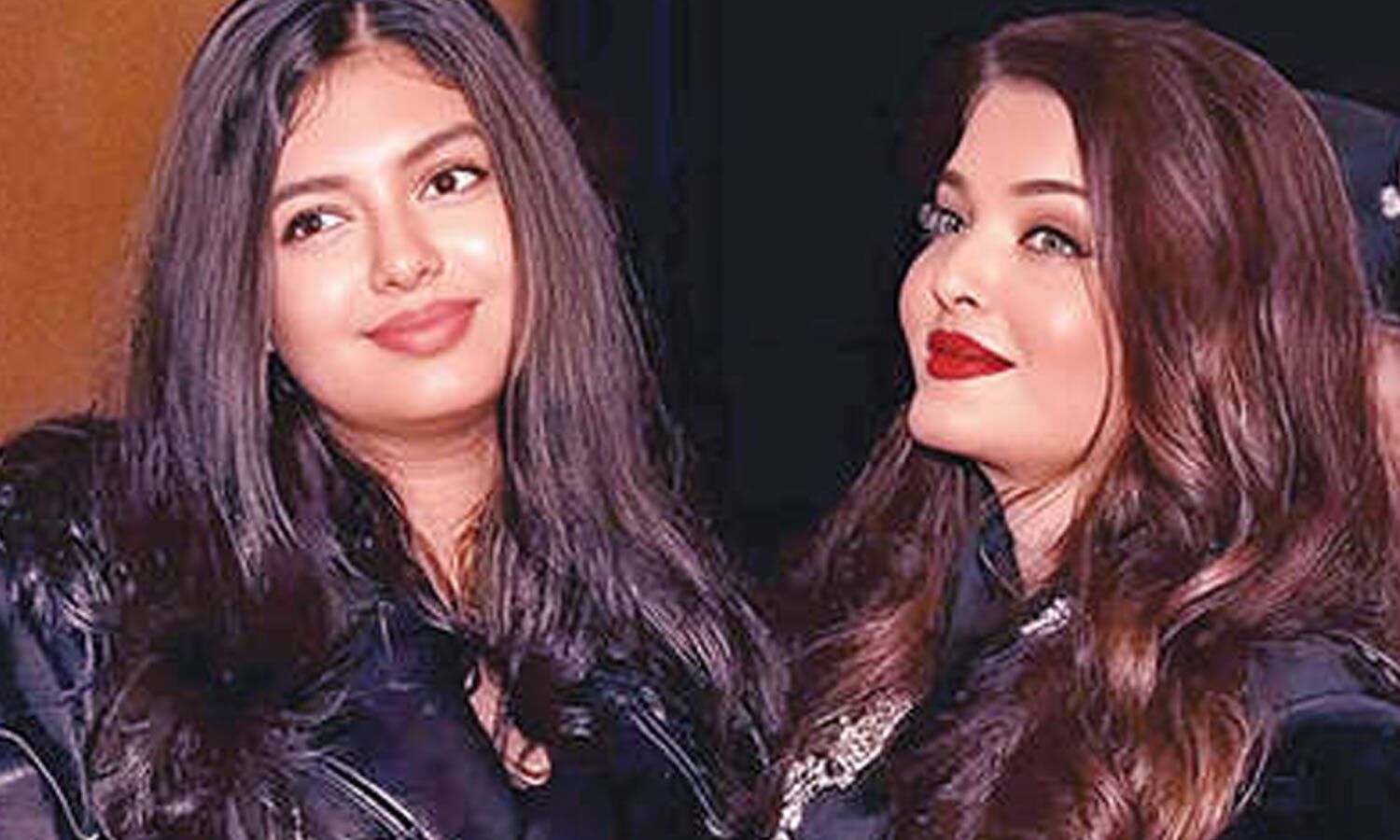
Personality rights protect a person’s name, face, voice and identity from being misused.
The Aaradhya Bachchan case has raised a new question about famous families.
The Delhi High Court considered whether a famous family name can automatically protect descendants.
One view says these rights belong only to people who build their own public identity.
Another view says family reputation and standing may sometimes need protection.
The article says children should be protected from false stories and harmful misinformation.
It suggests that privacy, dignity, defamation and child-protection laws can provide that protection.
Artificial intelligence makes fake images, videos and impersonation easier to create.
Courts therefore need to strengthen safeguards while setting clear limits on inherited celebrity rights.

The Aaradhya Bachchan case has raised questions about whether personality rights can extend across generations.
The debate covers protection against deepfakes, defamatory content, false endorsements and digital impersonation.
The article argues that personality rights should generally arise from an individual’s own identity and public recognition.
It says minors should be protected from false and harmful information through privacy, defamation and child-protection laws.
The Delhi High Court has cautioned that personality-rights litigation is expanding and requires principled limits.
- Who
- Aaradhya Bachchan, the Delhi High Court and broader groups of celebrities and public figures affected by personality-rights disputes.
- What
- A legal and policy debate over whether personality rights, including protection linked to a famous family name, can extend across generations.
- Where
- The Delhi High Court in India.
- When
- The discussion concerns the Delhi High Court’s observations in the Aaradhya Bachchan matter of 2023.
- Why
- The issue has gained importance because of false information, deepfakes, digital impersonation and the possible misuse of family reputation.
Individual-Built Rights
Broader Family-Reputation Protection
Inheritance of personality rights
Individual-Built Rights
Personality rights are fundamentally personal and should depend on an individual’s own public recognition, commercial goodwill and distinct identity.
Broader Family-Reputation Protection
A prominent family name and accumulated reputation may sometimes require legal protection when relatives are drawn into false controversies or their standing is harmed.
Protection of minors
Individual-Built Rights
Minors can be protected from false and harmful information through privacy, dignity, defamation and child-protection laws rather than automatic inherited celebrity rights.
Broader Family-Reputation Protection
The alleged circulation of false information about a child supports judicial scrutiny and may justify stronger safeguards connected to the family’s public identity.
Scope of judicial protection
Individual-Built Rights
Treating inherited fame as sufficient could create uncertainty and turn personality rights into an inheritable monopoly over family reputation.
Broader Family-Reputation Protection
Passing-off and related protections can address false news, fake news and misuse that harms a prominent family’s reputation, even where the issue extends beyond one individual.
Key facts
- Case discussed
- Aaradhya Bachchan personality-rights matter
- Court
- Delhi High Court
- Case year
- 2023
- Protected interests
- Names, likenesses, voices, images, privacy and dignity
- Digital risks
- Deepfakes, defamatory content, false endorsements and digital impersonation
- Central legal question
- Whether reputation associated with a celebrated family name automatically extends across generations
- Other legal protections discussed
- Constitutional rights, privacy, defamation, child-protection and passing-off laws
Sources
Related news

Delhi High Court Asks If Bachchan Reputation Extends Across Generations

Delhi Court Refuses Fan Page Ban, Orders Obscene Content Removed
Court Blocks Janhvi Kapoor Deepfakes, Declines Banning Fan Pages
Delhi High Court Orders Removal of Khushi Kapoor's Obscene Content

Kala Hiran Teaser Dispute Reaches Supreme Court Over Personality Rights

Shruti Haasan Secures Interim Protection Against AI Deepfakes

Maharashtra FDA Unveils Year-Round Festival Food Safety Plan

Analysts Favor Turnover-Linked Levy for Gig Worker Security

Hollywood’s 2026 India Box-Office Surge Reaches New Heights

RPG Life Sciences Plans ₹500 Crore Expansion Through Acquisitions
PNGRB-EESL MoU Advances Smart PNG Metering and Safety