

1 week ago
Eid-e-Milad-un-Nabi Celebrated Across India Through Faith And Service
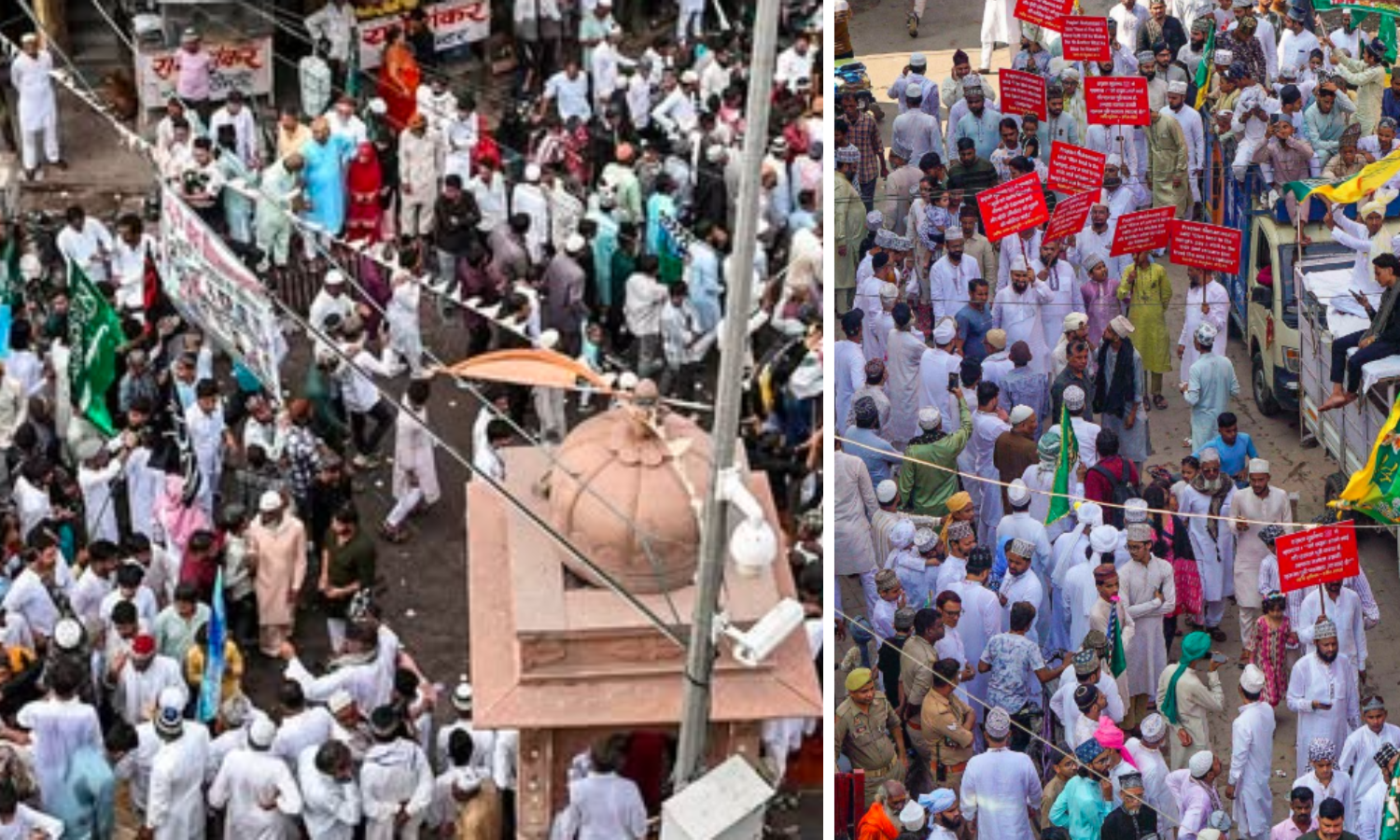
Eid-e-Milad-un-Nabi is a day when many Muslims remember the birth of Prophet Muhammad.
It takes place during the Islamic month of Rabi' al-Awwal.
People in India celebrate it in different ways.
Some join processions or attend programs at mosques.
Others pray and remember the Prophet at home with their families.
People may recite naats, decorate streets and share food.
Many communities also help people in need through charity and service.
Special foods such as Kupra Puri and kheer are prepared in some regions.
The day encourages kindness, sharing, compassion and harmony.

Muslims across India observed Eid-e-Milad-un-Nabi, commemorating the birth of Prophet Muhammad.
Communities held processions, mosque gatherings, prayers, religious talks and family observances.
Celebrations often included decorated streets, recitations of naats, and distribution of food and sweets.
Charity efforts included food drives, welfare programs and, in some areas, blood donation camps.
Families prepared regional dishes such as Kupra Puri and kheer to share with relatives, friends and neighbors.
- Who
- Many Muslims in India observed the occasion, commemorating Prophet Muhammad.
- What
- Eid-e-Milad-un-Nabi was marked through prayers, processions, mosque programs, charity, community service and family meals.
- Where
- Across India, including mosques, neighborhood streets, homes and communities in Hyderabad and other regions.
- When
- The occasion falls during the Islamic month of Rabi' al-Awwal; no specific date is provided.
- Why
- It commemorates the birth of Prophet Muhammad and provides an opportunity to reflect on his teachings and practice compassion, generosity and service.
Key facts
- Occasion
- Eid-e-Milad-un-Nabi, also known as Milad-un-Nabi
- Religious significance
- Commemorates the birth of Prophet Muhammad
- Islamic month
- Rabi' al-Awwal
- Common observances
- Processions, mosque gatherings, prayers, naats and religious talks
- Community service
- Food distribution, welfare programs and blood donation camps in some areas
- Traditional foods
- Kupra Puri and kheer are prepared in parts of India
- Regional variation
- Some communities hold large public gatherings, while others observe the day at home
Sources
Related news

Eid Milad-un-Nabi Celebrations Begin Across Mumbai With Prayers
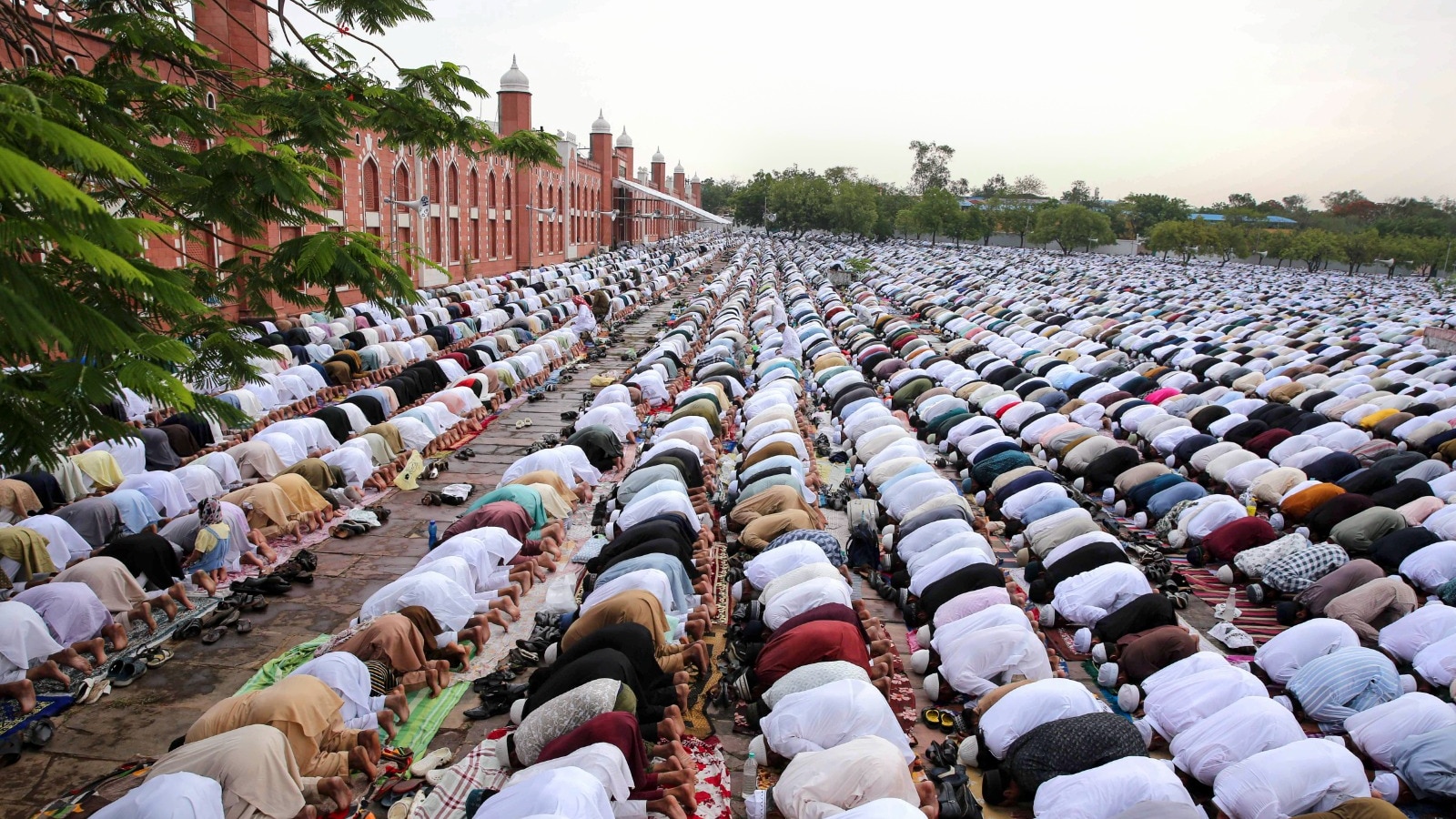
Eid Milad-un-Nabi 2026: India Observes Prophet Muhammad’s Birth Anniversary
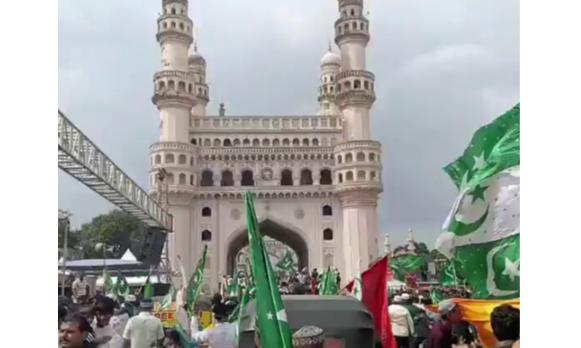
Hyderabad Marks Milad-Un-Nabi With Prayers, Processions and Charity

Bhendi Bazaar Dawoodi Bohra Community Marks Milad-un-Nabi Festivities

Vijayawada Muslims Celebrate Eid Milad-un-Nabi With Procession

Lucknow Hosts Grand Juloos-e-Mohammadi Processions for Eid Milad-un-Nabi
Pakistan Warns Hajj Pilgrims Against Begging in Saudi Arabia

PM Modi Announces Ex Gratia for Medina Bus Fire Victims
First Haj 2026 Training Camp in Hyderabad

Saudia and Air India Sign Codeshare Deal
