

8 hrs ago
FATF Warns Digital Hawala Fuels Professional Money Laundering Networks
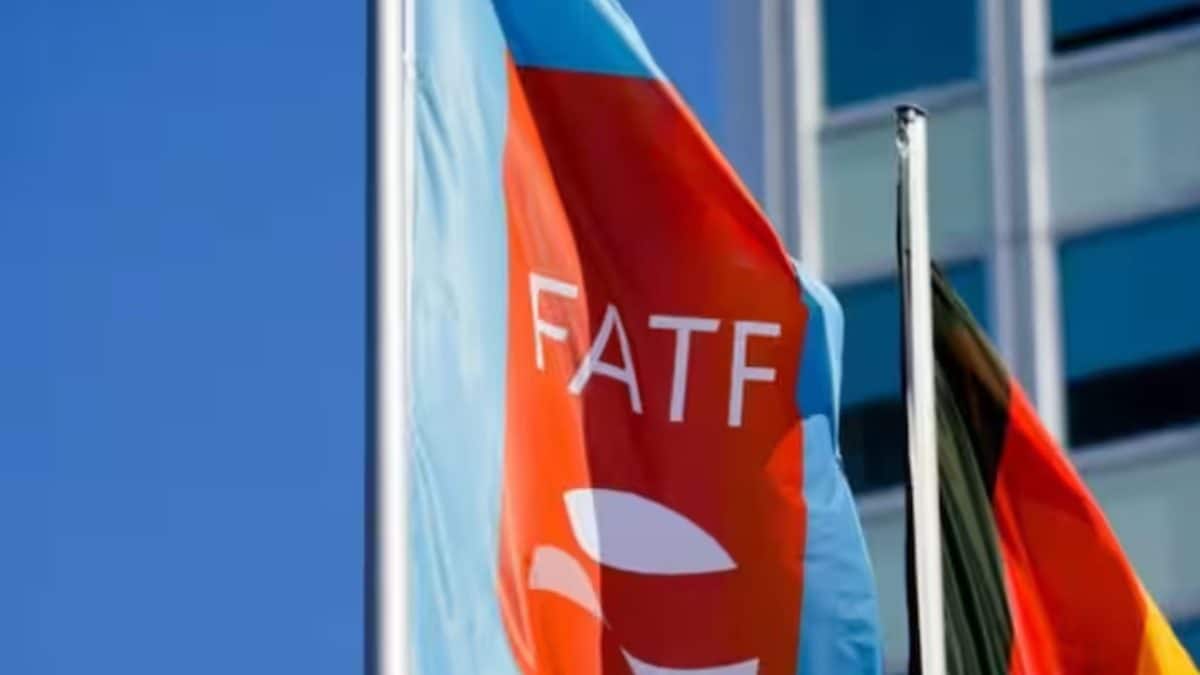
The Financial Action Task Force studied hidden money-transfer systems called underground banking and hawala.
These systems can have legitimate uses, but criminals also use them to move illegal money.
The report says some networks now operate like professional businesses.
They use phones, fintech apps, digital wallets and cryptocurrencies to move money quickly.
Encrypted messaging apps can help operators coordinate transfers.
Criminals use these systems for activities including fraud, cybercrime, drug trafficking and terrorist financing.
Some schemes reportedly moved more than EUR 500 million in only a few months.
The report asks governments and companies to improve how they find and stop these networks.
It also says efforts should protect legitimate financial access for people who use these services lawfully.

A Financial Action Task Force report says underground banking and hawala networks are becoming more sophisticated and globally connected.
More than 80% of reporting jurisdictions identified these systems as major professional money-laundering channels or techniques.
Nearly 70% of respondents reported the use of new technologies, including encrypted messaging, virtual assets and purpose-built hawala apps.
The report says professional networks increasingly use banks, fintech platforms, virtual IBANs, prepaid cards and virtual-asset wallets.
The Financial Action Task Force drew on evidence from more than 50 jurisdictions and urged stronger public-private and international cooperation.
- Who
- The Financial Action Task Force, governments, private-sector firms and professional money-laundering networks are central to the report.
- What
- The Financial Action Task Force reported that underground banking, hawala and other similar service providers are increasingly being used in sophisticated illicit-finance schemes.
- Where
- The activity spans the FATF Global Network and more than 50 jurisdictions worldwide.
- When
- The report was published on the date of the release; the specific date is not provided.
- Why
- The report aims to help authorities and private-sector organizations detect, investigate, prosecute and disrupt professional money-laundering infrastructure.
Key facts
- Reporting jurisdictions
- More than 80% identified underground banking or similar service providers among principal professional money-laundering channels or techniques.
- Technology trend
- Nearly 70% of respondents identified the integration of new technologies, described as part of the rise of digital hawala.
- Reported scale
- Some cases involved more than EUR 500 million laundered through underground banking and hawala-based schemes within a few months.
- Evidence base
- The report draws on evidence from more than 50 jurisdictions across the FATF Global Network and partner organizations.
- Digital methods
- Networks may use encrypted messaging, bank transfers, mobile wallets, fintech applications, instant payments, virtual assets and purpose-built hawala apps.
- Criminal proceeds
- The systems are linked in the report to drug trafficking, fraud, cyber-enabled crime, terrorist financing, illegal gambling and transnational organized crime.
- Legitimate use
- The report notes that hawala and other similar services can serve legitimate purposes, while unregistered or underground provision is generally criminalized in most countries.
Quotes
Giles Thomson
President of the Financial Action Task Force
“This emergence of sophisticated, commercially operated cross-border money laundering networks is a serious risk multiplier, making it easier for criminals to cover up their activities that harm people and communities around the world.”
 firstpost.com
Sources
Related news
FATF Warns Informal Money-Transfer Networks Are Growing Worldwide

FATF Report Exposes Hawala, Shell Firms and Fake Trade

WhatsApp Group Exposed Vast Hawala Network Tied to Crime

ED Arrests Two in Mumbai Digital Arrest Money-Laundering Case
ED Raids 12 Locations Across Four States in Parimatch Probe
