

1 hr ago
Graphite, Not Lithium, Emerges as Battery Industry's Biggest Choke Point
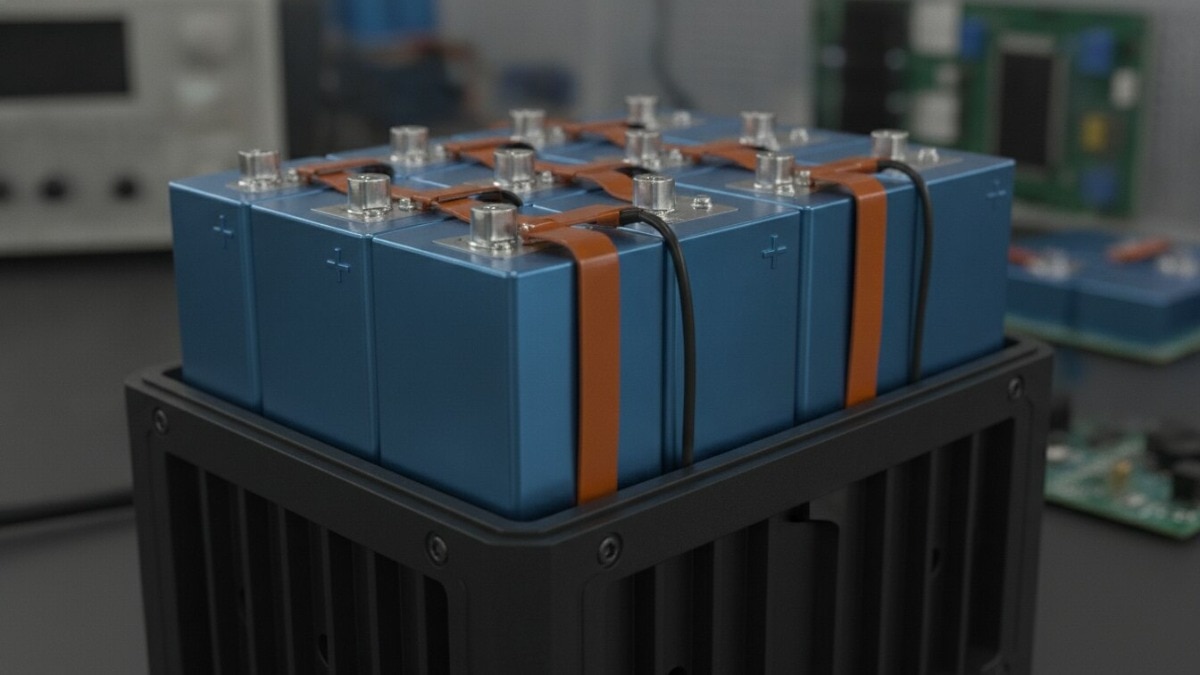
Graphite is a material used inside the anode of many lithium-ion batteries.
The anode is one part of a battery that helps store and release energy.
China performs much of the processing needed to turn graphite into battery-grade material.
This processing, called graphitisation, requires heating material above 2,800°C.
Because it uses so much energy, access to relatively cheap electricity can help maintain production.
If Chinese production or exports are disrupted, battery makers in other countries could be affected.
Battery demand is expected to grow quickly because of electric vehicles, energy storage, and AI data centres.
LFP batteries are becoming more common because they cost less than some nickel-based batteries.
As battery production expands, countries may need to develop more graphite-processing and anode capacity.

Graphite, particularly its use in battery anodes, is emerging as a major supply-chain constraint alongside lithium.
China has a highly concentrated position in anode-material production and graphite processing.
Graphitisation requires temperatures above 2,800°C, making inexpensive electricity important for maintaining capacity.
Global battery demand could rise from about 1,591 GWh in 2025 to 3.5–4.4 TWh by FY30.
LFP batteries made up more than 55% of global EV batteries in 2025, compared with 24% in 2021.
- Who
- Battery manufacturers globally, with China playing a dominant role in graphite and anode processing.
- What
- A report identifies graphite and the anode supply chain as potential major bottlenecks for the battery industry.
- Where
- The supply-chain exposure is global, with processing capacity concentrated in China.
- When
- The demand projections cover 2025 through FY30, while the supply-chain concern applies as battery production expands.
- Why
- Rapidly rising battery demand and China’s concentration in graphite processing could leave manufacturers vulnerable to production or export disruptions.
Key facts
- Primary use
- Graphite is commonly used in the anode of lithium-ion batteries.
- Processing stage
- Graphitisation converts carbon material into battery-grade graphite.
- Processing temperature
- Graphitisation requires temperatures above 2,800°C.
- Demand in 2025
- Global battery demand is estimated at around 1,591 GWh.
- FY30 demand projection
- Global battery demand could reach 3.5–4.4 TWh by FY30.
- Annual growth estimate
- DSP estimates battery demand could grow 17–23% annually.
- Anode cost share
- The anode accounts for around 10–15% of battery-cell costs.
- LFP market share
- LFP batteries accounted for more than 55% of global EV batteries in 2025, up from 24% in 2021.
Sources
Related news
JSW Puts 50GWh India Battery Cell Plant On Hold
India Plans ₹13,000 Crore Battery Component Incentive Push
China Pauses New Battery Storage Factory Approvals Amid Overcapacity

Bridge Green and Hartree Sign Up to $1 Billion Lithium Deal
India Plans Lithium, Nickel Scheme Amid Critical Mineral Concerns

Tata Motors Sees Strong Growth in Electric Commercial Vehicles

Xi Jinping Arrives in US Ahead of High-Stakes Trump Summit

China Holding Sensitive F-35 Parts Ahead of Trump-Xi Meeting

AI Leaders Warn UN of Security Risks and Controls
Trump Welcomes Xi at Airport as High-Stakes Summit Begins
