1 day ago
Navi Pillay’s Family History Traces India’s Colonial Labour Migration

Navi Pillay’s family has roots in India because her grandparents travelled to South Africa generations ago.
They went as indentured workers, which meant they agreed to work for a set period under a contract.
This system was called girmit.
Sugar plantations in Natal needed workers, so recruiters brought people from India.
The first ship arrived in 1860, and more than 150,000 people made the journey over the following decades.
Many workers faced low pay, hard work and unfair treatment.
After their contracts, some stayed in South Africa and built families there.
India stopped further indentured migration to Natal in 1911.
Pillay later became a prominent international jurist and human rights advocate.

Navi Pillay’s Indian roots trace back to grandparents who travelled from India to South Africa under indentured labour.
The system, called girmit, expanded after slavery was abolished across most of the British Empire in 1833.
Natal’s sugar industry recruited Indian workers, with the first ship arriving in November 1860.
More than 150,000 Indians travelled to Natal between 1860 and 1911, including 152,641 according to cited historical research.
Workers faced demanding conditions and restricted choices; India prohibited further indentured migration to Natal in 1911.
- Who
- Navi Pillay and the Indian workers recruited to Natal; Pillay’s grandparents were among those who made the journey.
- What
- A history of Indian indentured labour migration to South Africa and its connection to Pillay’s family.
- Where
- From India to Natal, present-day South Africa.
- When
- The migration described ran from 1860 to 1911; the first ship arrived in November 1860.
- Why
- Natal’s expanding sugar industry needed workers after slavery was abolished across most of the British Empire.
Key facts
- Labour system
- Indian indentured labour, known as girmit, a term derived from “agreement”
- First arrival in Natal
- November 1860
- Migration period
- 1860–1911
- Recorded migration total
- 152,641 Indians, according to research cited in Pacific Historical Review
- Typical contract length
- Three to five years, although terms changed over time
- End of further migration
- India prohibited further indentured migration to Natal in 1911
Sources
Related news

Navi Pillay’s Nobel Win Echoes Her Family’s Plantation History
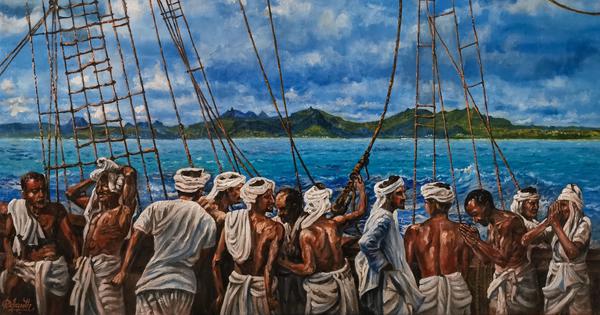
French Incentives Kept Indian Workers in Caribbean Guadeloupe

Navi Pillay Wins 2026 Nobel Peace Prize for International Law

Navi Pillay Wins 2026 Nobel Peace Prize for International Justice

Navi Pillay Wins Nobel Peace Prize, South African Envoy Says

Navi Pillay Wins Nobel Peace Prize for Human Rights Work
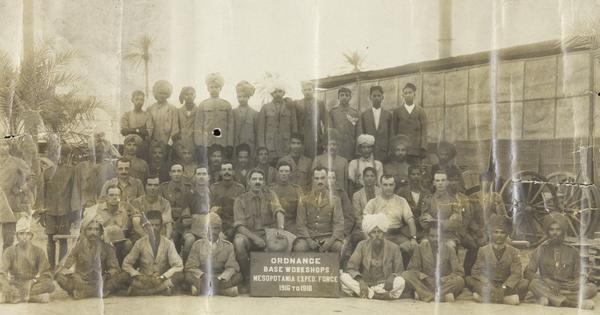
Goan Photographer Victor Pereira Documented Empires, War, and West Asia
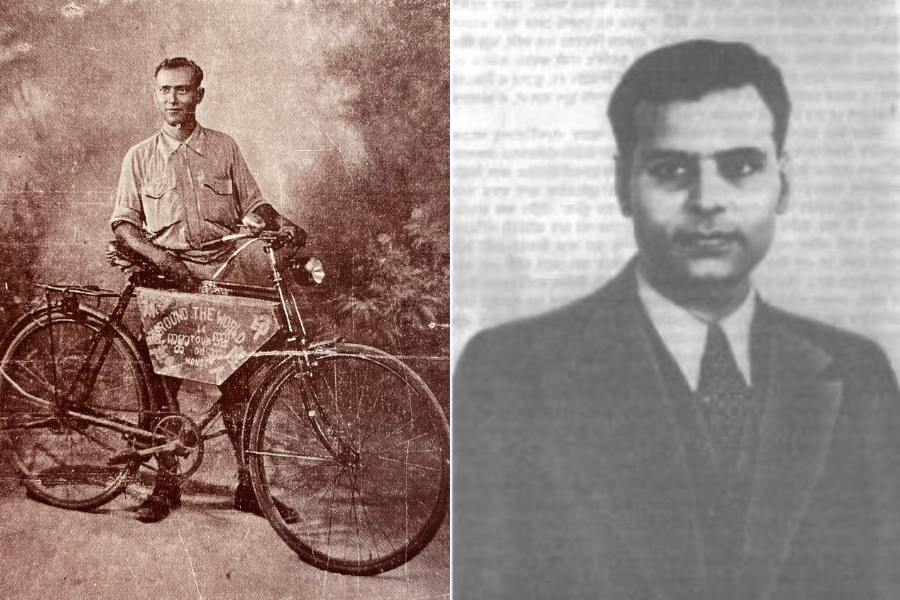
How Two Bengali Cyclists Challenged the British Empire

The Revolutionaries Earns Praise Despite Its Stretched Storytelling

US Tattoo Artist Says British Rule Impoverished India