

1 hr ago
Maharashtra Rights Panel Notices Pune Police Over Custodial Torture
A human-rights commission is investigating how Pune police treated a 20-year-old accused person.
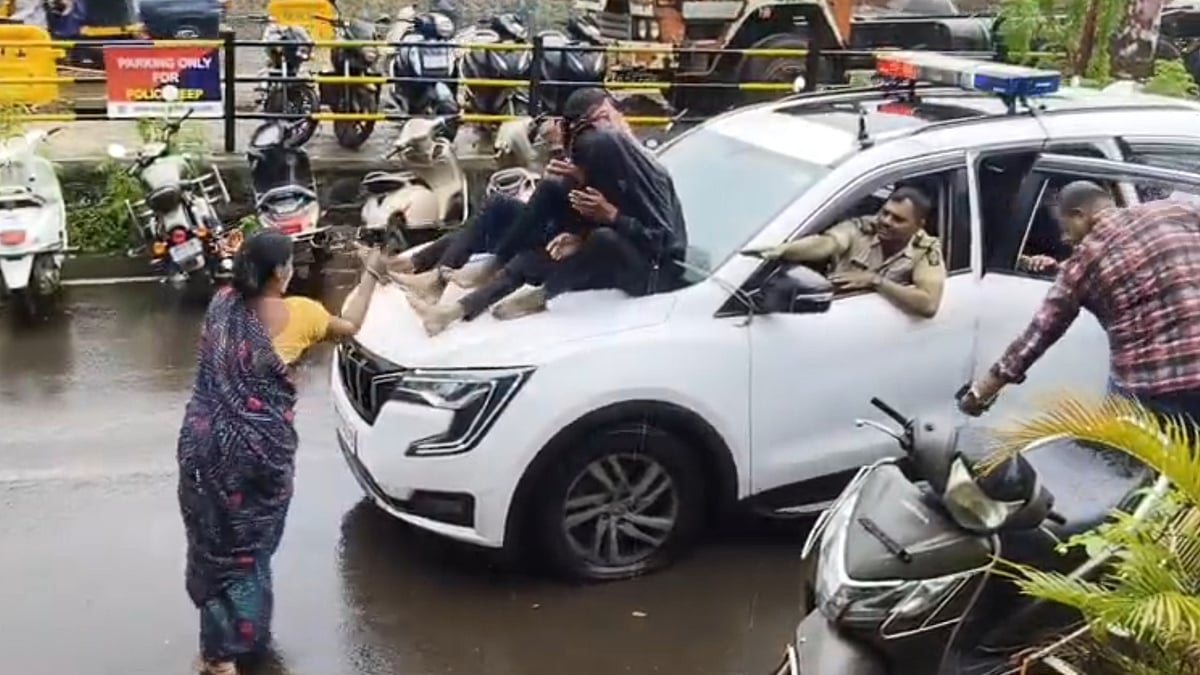
The complaints say he was taken into custody and paraded through busy streets.
They also say he was allegedly physically mistreated and insulted in front of people.
The Commission said police appeared to punish him publicly instead of using normal legal procedures.
It believes senior police officers may have failed to prevent this.
The Pune police commissioner did not submit a report when asked.
The Commission has now given the officers a chance to explain their side and present evidence.
The cases will be heard again on September 9, 2026.

The Maharashtra State Human Rights Commission issued notices to Pune’s police commissioner, a deputy commissioner and 10 other personnel.
The notices concern allegations that 20-year-old accused Sultan Rehman Shaikh was publicly paraded, humiliated and subjected to custodial torture.
The Commission said police allegedly forced him to squat and apologize publicly instead of following due process.
It found prima facie negligence by senior officials in preventing and protecting against alleged human-rights violations.
The officials must respond and provide evidence; the cases will next be heard by a Division Bench on September 9, 2026.
- Who
- The Maharashtra State Human Rights Commission, Pune police officials and 20-year-old accused Sultan Rehman Shaikh are involved.
- What
- The Commission issued notices over alleged public humiliation, unlawful punishment and custodial torture.
- Where
- The alleged incident involved Laxmi Nagar Police Station and busy streets in Pune, Maharashtra.
- When
- Reports were received on July 29, 2026; notices were issued before the next hearing on September 9, 2026.
- Why
- The Commission said senior police officials may have been negligent in preventing alleged human-rights violations and ordered the officials to respond.
Key facts
- Issuing body
- Maharashtra State Human Rights Commission
- Officials notified
- Pune Commissioner of Police Amitesh Kumar, DCP Chilumula Rajnikant and 10 other police personnel
- Person identified in complaints
- Sultan Rehman Shaikh, a 20-year-old accused
- Allegations
- Public parading, custodial torture, verbal abuse, forced squatting and a public apology
- Reports received
- Two reports were received by email on July 29, 2026
- Legal provision
- Notices were issued under Section 16 of the Protection of Human Rights Act, 1993
- Next hearing
- September 9, 2026, before a Division Bench
Quotes
Maharashtra State Human Rights Commission
The state human rights body investigating the complaints
“The fact that the Commissioner of Police, Pune, despite receipt of notice of these cases has chosen not to file his reply/report goes to show that he has accepted all the allegations made in both these complaints.”
 freepressjournal.in
“The complaints as well as the photographs annexed to the complaints reveals that the Police Department of Pune had virtually imposed physical punishment to the victim instead of following due process of law.”
freepressjournal.in
Sources
Related news
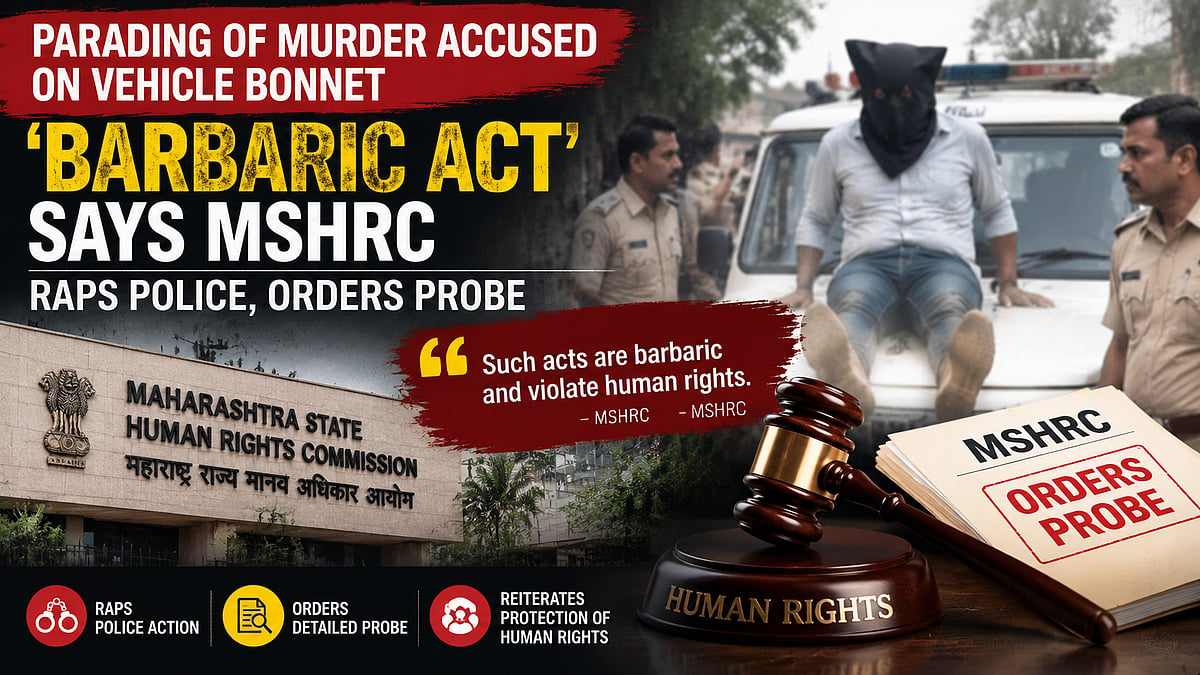
MSHRC Calls Pune Police Bonnet Parade 'Barbaric', Orders Inquiry
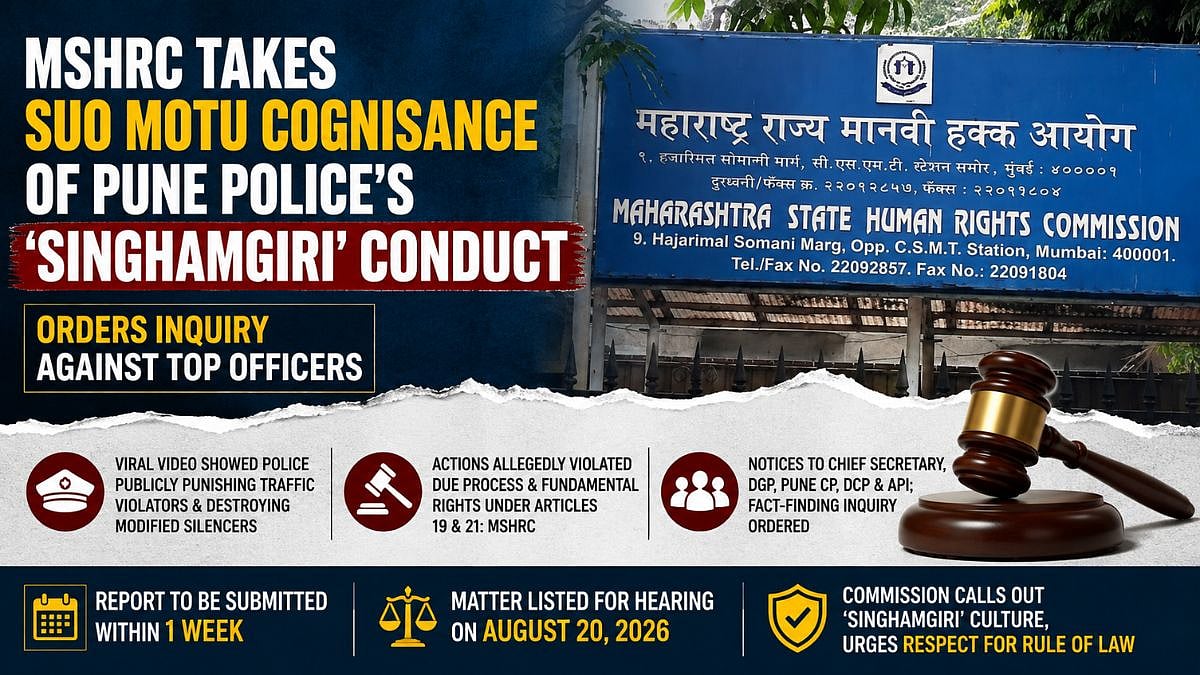
MSHRC Orders Inquiry Into Pune Police 'Singhamgiri' Conduct
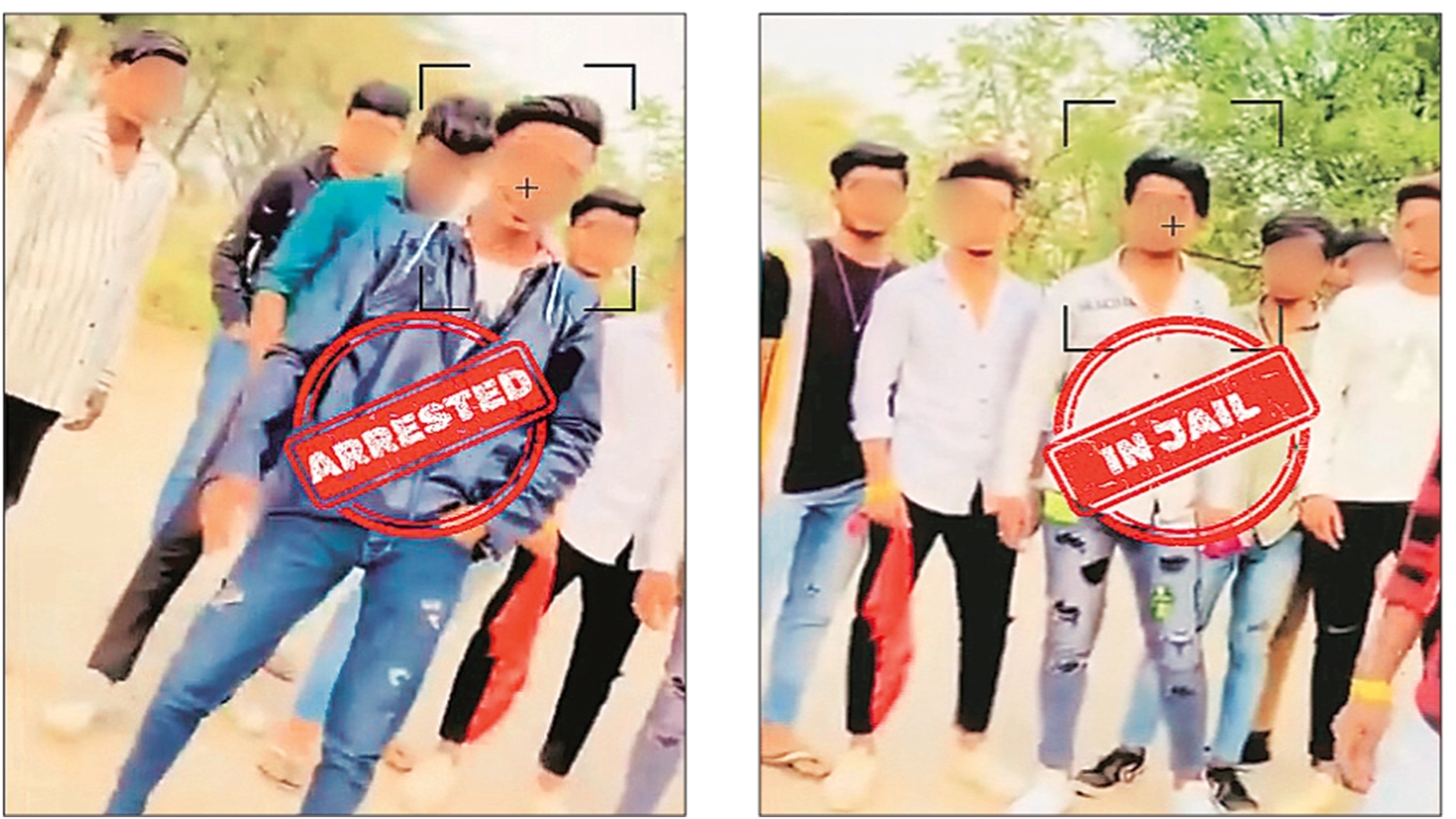
Maharashtra human rights commission raps Pune police over Singhamgiri reels
Pune Police Ban Public Parading of Accused After Katraj Incident
Gujarat Court Asks Transfer of Surat DCP Over Torture Videos

Maharashtra Rights Panel Closes Case, Finds No Medical Negligence

Rights Panel Orders Ex Parte Case Over Mumbai Child Labour
