

7 months ago
India's Nutrition Shift: Biofortified Seeds Address Micronutrient Deficiency
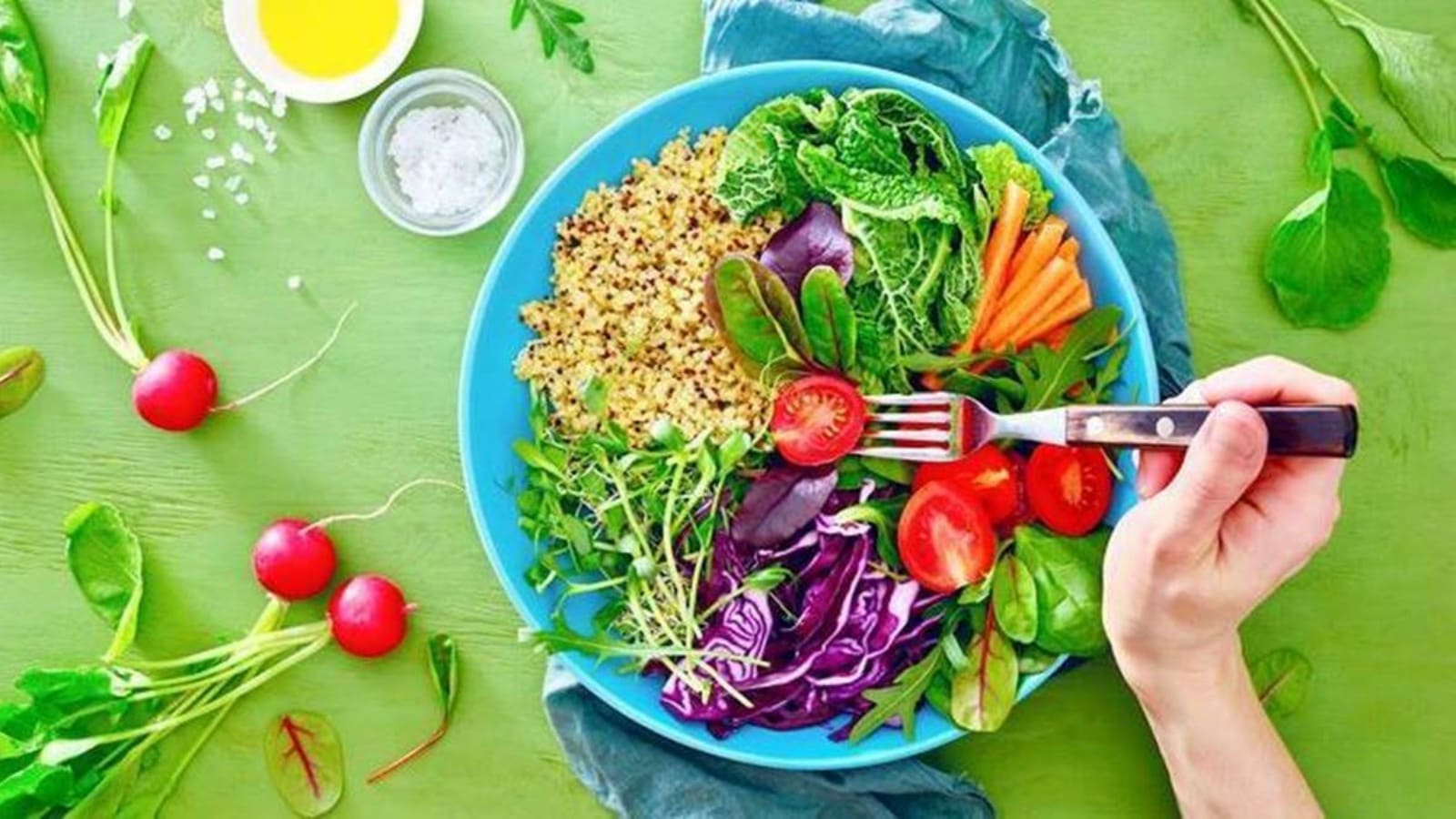
In India, people are eating different foods now, like millets and quinoa, instead of just rice and wheat.
This is changing how farmers grow crops.
Most food in India is grown locally, and many people work in farming.
But now, people are spending less on cereals and more on fruits, vegetables, and processed foods.
Farmers still grow a lot of rice and wheat, but people want more varied and healthy foods.
This can help farmers earn more and make farming better for the environment.
The government can help by buying different crops and supporting farmers who grow them.
Additionally, scientists are making special seeds that help plants grow with more nutrients, like iron and zinc.
These seeds can help people get the nutrients they need without changing their diet.
These seeds are now available in many online stores, and people are buying them because they are healthy and familiar.
This is a good way to make sure everyone gets the right nutrients.

India faces a paradox of producing enough food but having high micronutrient deficiencies.
Biofortified seeds enhance crops' natural ability to accumulate essential micronutrients.
Biofortified staples like atta, rice, and millets are now available on mainstream digital grocery platforms.
Consumer demand for biofortified staples is strong, with repeat purchases indicating acceptance.
Advances in nutrient measurement and verification are building trust in biofortified foods.
- Who
- Indian consumers, farmers, and the government
- What
- Shifting food preferences and the introduction of biofortified seeds to address micronutrient deficiency
- Where
- India, with a focus on urban and rural areas
- When
- Ongoing transition with historical context since the 1990s and recent advancements in biofortification
- Why
- Changing dietary patterns, the need for agricultural diversification, and addressing micronutrient deficiency
Key facts
- Micronutrient Deficiency
- Affects children, women, and working adults in India
- Biofortification Approach
- Enhances crops' natural ability to accumulate micronutrients
- Biofortified Staples Availability
- Now on platforms like Blinkit, Zepto, Swiggy Instamart, Amazon Fresh, and Flipkart Minutes
- Consumer Response
- Strong repeat behavior observed for biofortified staples
- Nutrient Verification
- Atomic spectroscopy allows precise measurement of minerals in grains and flours
- Domestic Food Production
- 97%
- Agriculture Workforce
- 45%
- Cereal Consumption Decline
- Since 1990s
- Urban Cereal Expenditure
- Less than 35%
- Rural Processed Food Spending
- Tripled in 20 years
- Health and Packaged Food Growth
- Over 20% annually
- Rice and Wheat Cropped Area
- 40%
- Pulses, Oilseeds, Fruits, Vegetables Cropped Area
- Less than 30%
- Millets Cropped Area
- 13%
- Edible Oil Imports
- 60%
- Millets Water Usage
- 60% less than rice and wheat
- PM-POSHAN Beneficiaries
- 10-12 crore children daily
Quotes
Author
Former CEO-Oil Palm Plantation, Godrej Agrovet Ltd. & Consultant – Palm Oil Production and Plantation Development, Calcutta, West Bengal
“Yellow Revolution 2.0 cannot be target-driven; it must be outcome-driven”
 thehindubusinessline.com


