

1 hr ago
Listed Startups Return to Markets for Fresh Growth Capital

Some startups are asking investors for more money soon after selling shares to the public.
Kissht, for example, plans to raise ₹832 Cr and use most of it to grow its lending business.
Other listed startups, including Swiggy, Ather Energy and Ola Electric, have also raised money after their stock-market debuts.
Companies may prefer selling equity because loans require interest payments and repayment.
Selling more shares, however, means existing shareholders own a smaller percentage of the company.
Investors therefore want to know whether the new money will create enough growth to make up for that dilution.
A high share price can help a company raise money while issuing fewer new shares.
Strong demand does not always mean investors fully support a company, as shown by PB Fintech cancelling its proposed fundraising.

Kissht parent OnEMI Technology Solutions received approval to raise up to ₹832 Cr through a preferential equity issue.
Kissht raised around ₹926 Cr in its IPO, and plans to direct 75% of the new proceeds to lending arm Si Creva.
Swiggy, Ather Energy, Ola Electric, Zaggle, RateGain, Nazara and ixigo have also raised capital after listing.
Analysts say equity can fund growth without debt obligations, but repeated fundraises may dilute existing shareholders and pressure earnings per share.
Investor reactions vary: Ather’s ₹1,300 Cr QIP attracted more than ₹10,000 Cr in bids, while PB Fintech cancelled a proposed QIP after criticism.
- Who
- Kissht’s parent OnEMI Technology Solutions and other listed startups, including Swiggy, Ather Energy and Ola Electric.
- What
- They are raising additional equity capital through preferential issues, QIPs or other post-listing fundraising routes.
- Where
- In India’s public equity markets.
- When
- Kissht’s proposed raise comes barely four months after its stock-market debut; other raises occurred at different intervals after listing.
- Why
- To fund lending, manufacturing, technology, acquisitions, debt repayment, research and development, marketing and broader business expansion.
Case for Fresh Equity
Concerns About Repeated Fundraising
Why raise equity instead of debt?
Case for Fresh Equity
Equity gives growth-stage companies permanent capital without interest payments, repayment obligations or debt-related leverage restrictions.
Concerns About Repeated Fundraising
A company may be returning to investors because it underestimated funding needs, faced cost overruns or used its IPO proceeds too quickly.
Impact on existing shareholders
Case for Fresh Equity
If new capital produces sufficient growth in earnings and business value, issuing additional shares can justify the dilution.
Concerns About Repeated Fundraising
If earnings do not grow as quickly as the share count, earnings per share and existing shareholders’ value may come under pressure.
What institutional demand means
Case for Fresh Equity
Oversubscribed issues and participation by long-term investors can show continued confidence in high-growth listed companies.
Concerns About Repeated Fundraising
Oversubscription alone is not proof of conviction because investors may bid for more shares than they expect to receive, while discounts can also boost demand.
Key facts
- Kissht proposed raise
- Up to ₹832 Cr through a preferential equity issue.
- Kissht IPO proceeds
- Around ₹926 Cr, including a fresh issue of shares.
- Use of Kissht proceeds
- 75% is intended for lending arm Si Creva; the remainder is for general corporate purposes.
- Share-price context
- Kissht is raising at ₹314.11 per share versus its IPO price of ₹171, according to the article.
- Major post-listing raises
- Swiggy raised ₹10,000 Cr, Ather Energy ₹1,300 Cr and Ola Electric ₹780 Cr through QIPs.
- PB Fintech outcome
- PB Fintech cancelled a proposed QIP after investors questioned the need for capital and potential dilution.
Quotes
Sandeep Gogia
Managing director and co-head of investment banking at Equirus Capital
“The attraction of equity over debt arises when the startup’s valuation is strong. In this case the stock has almost doubled in the last 4-5 months since listing and a higher share price means it can raise the given amount with less dilution”
 inc42.com
“This represents a maturing public capital ecosystem. Listing is no longer necessarily viewed as the final fundraising event. It can become the beginning of ongoing access to a larger and more liquid institutional capital pool”
inc42.com
Sources
Related news

Promoter Premium Investments Put Piramal Finance, Ather Energy Under Spotlight

India’s Public Market Fundraising May Hit Record ₹6.5 Trillion

Omega Seiki Raises ₹100 Crore as IPO Plans Take Shape
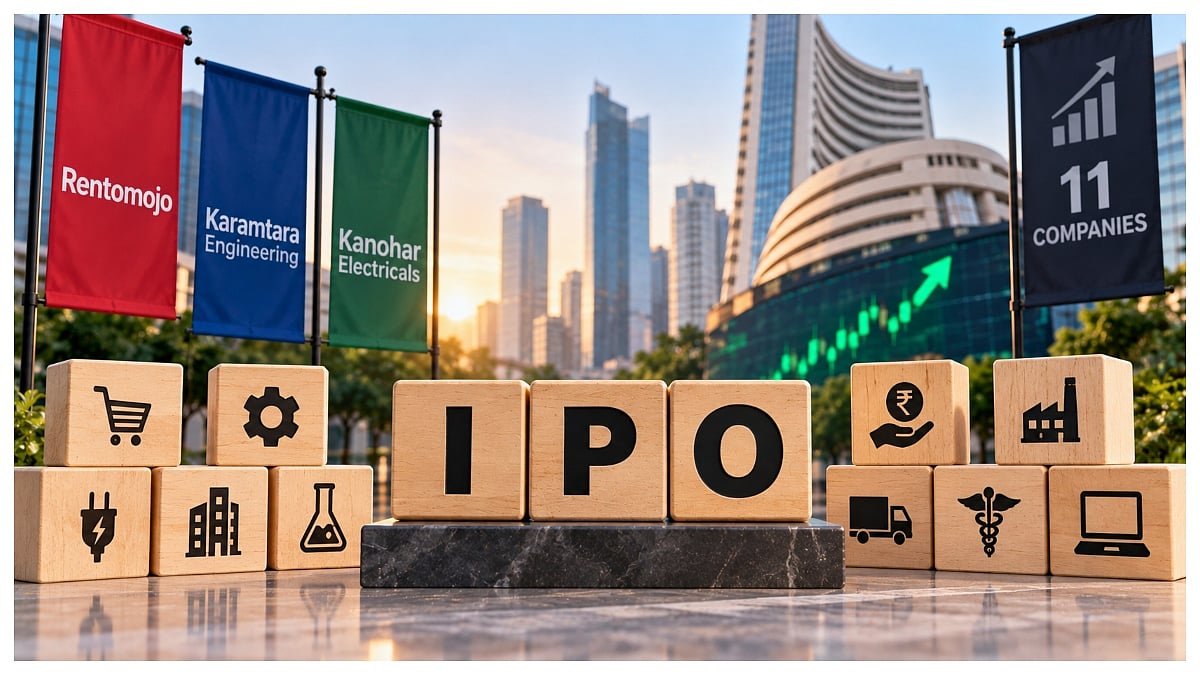
India’s IPO Rush Intensifies With 11 Issues Next Week

Jio IPO Could Rank Among India's Biggest Public Offerings
Piramal Finance Raises ₹3,850 Crore Through QIP, Promoter Warrants

Rinku Singh Requests iPhone 18 Pro From Instamart, Netizens Join

AI Reshapes Indian Advertising as Agencies Reinvent Their Roles

Quick-Commerce Platforms Target India’s Longer, Localised Festival Season

AI May Reshape Indian Jobs, Incomes and Retirement Planning
