1 hr ago
Protecting India's Election Referee While Questioning Its Decisions
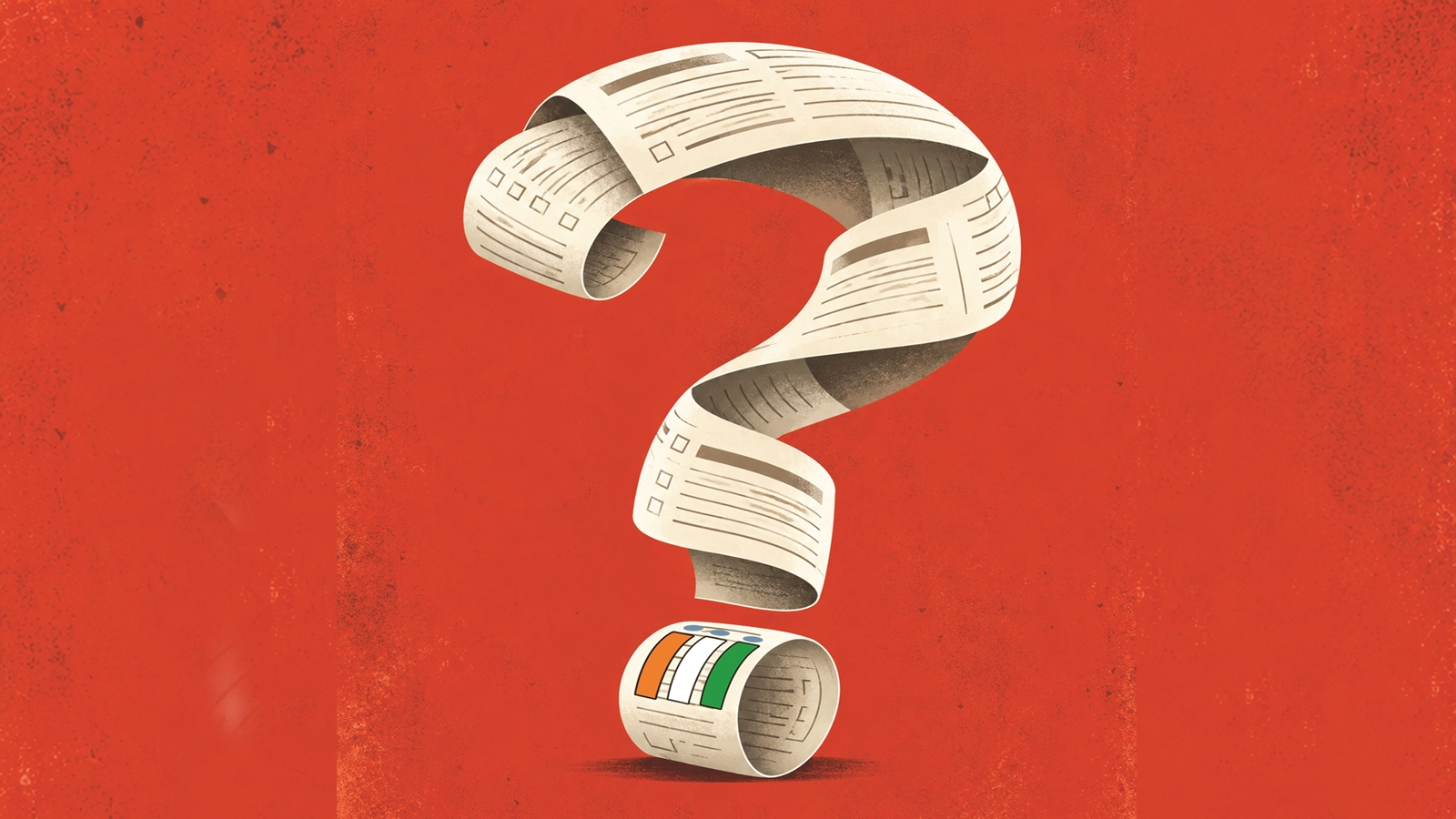
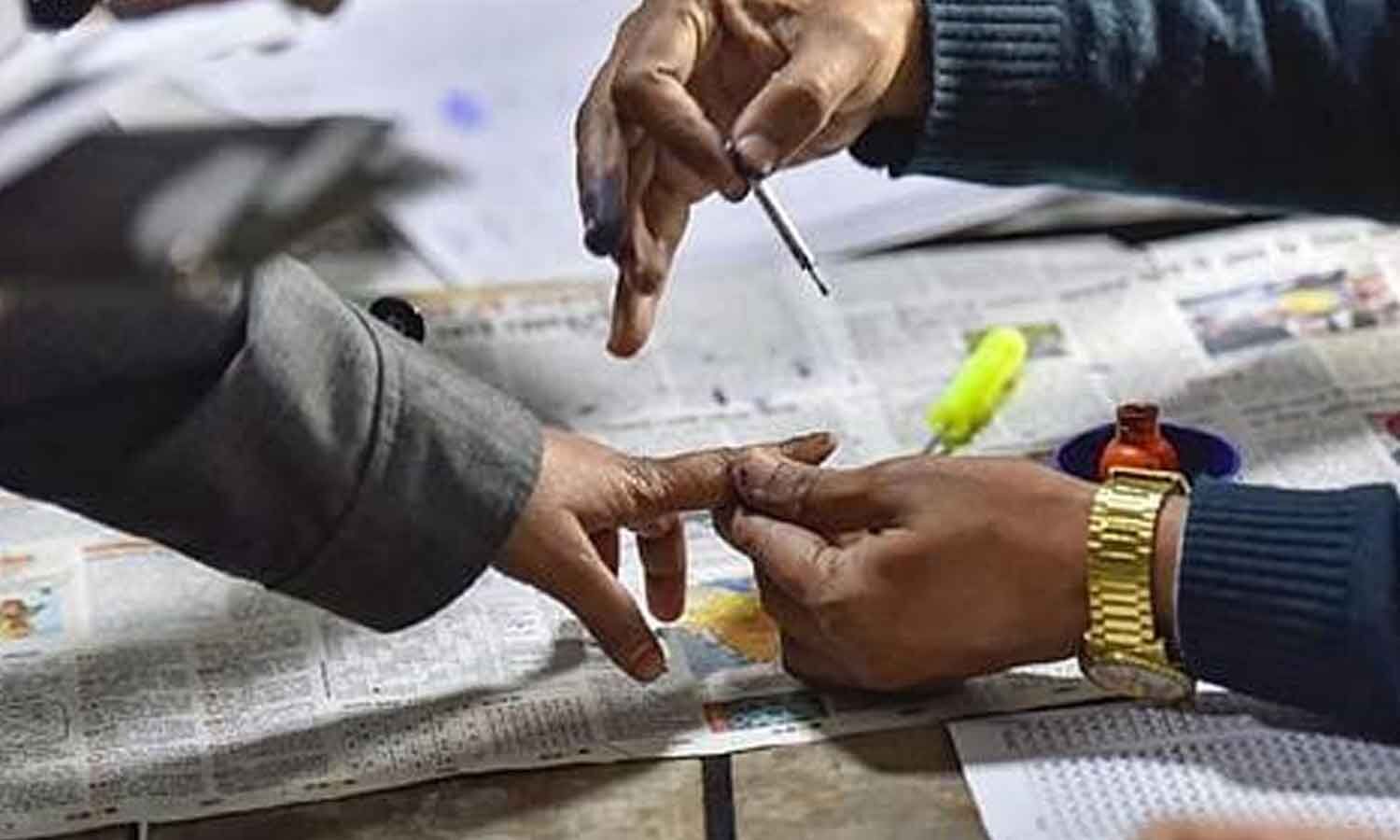
The author says the Election Commission helps make sure elections follow rules.
They compare it to a referee in a game.
People should be allowed to question the referee’s decisions and show evidence when they think something is wrong.
They can also appeal to the Commission or go to court.
But the author warns that attacking the whole institution can make people lose trust in elections.
The essay discusses changes to voter lists and says mistakes should be challenged with facts.
It uses examples from ancient India, Rome, and Greece to show why fair procedures matter.
The author also says the Commission should act transparently and apply the same rules to everyone.
The main idea is to question decisions without trying to destroy the institution that oversees elections.

The essay describes the Election Commission of India as a key institution for democratic elections.
It argues that the Commission’s decisions should be questioned with evidence, appeals, or court action.
The author discusses the Special Intensive Revision of electoral rolls and possible voter deletions or additions.
Historical examples from India, Rome, and Greece are used to explain the importance of trusted procedures.
The author says the Commission should act transparently and apply rules equally while maintaining public trust.
- Who
- The author, an endocrinologist and public health physician, discusses the Election Commission of India and those who question its actions.
- What
- The essay argues that the Election Commission should be protected as an institution while its decisions remain open to evidence-based challenge.
- Where
- India
- When
- Why
- The author says public trust in the election authority is essential to preserving confidence in democratic elections.
Protect the institution
Question its decisions
How to challenge the Election Commission
Protect the institution
The article argues that attacks on the Election Commission of India’s credibility can weaken trust in elections and democracy.
Question its decisions
The article says the Commission’s decisions should be scrutinized using evidence, appeals, and court proceedings; protecting the institution does not mean accepting every decision without question.
Electoral-roll revisions
Protect the institution
The article argues that voter-list revisions can involve painful deletions or booth changes, but that a clean roll is important to the republic.
Question its decisions
Errors in deletions or additions should be challenged with data and through the Commission or courts, rather than dismissed or left unexamined.
Key facts
- Subject
- The role and credibility of the Election Commission of India
- Article type
- Opinion essay
- Central analogy
- The Election Commission is compared to a referee who safeguards the democratic process.
- Electoral issue discussed
- Special Intensive Revision of electoral rolls, including voter deletions and additions
- Proposed ways to challenge decisions
- Present data, appeal to the Election Commission, or go to court
- Author's profession
- Endocrinologist and public health physician
- Author's location
- Mumbai
Sources
Related news
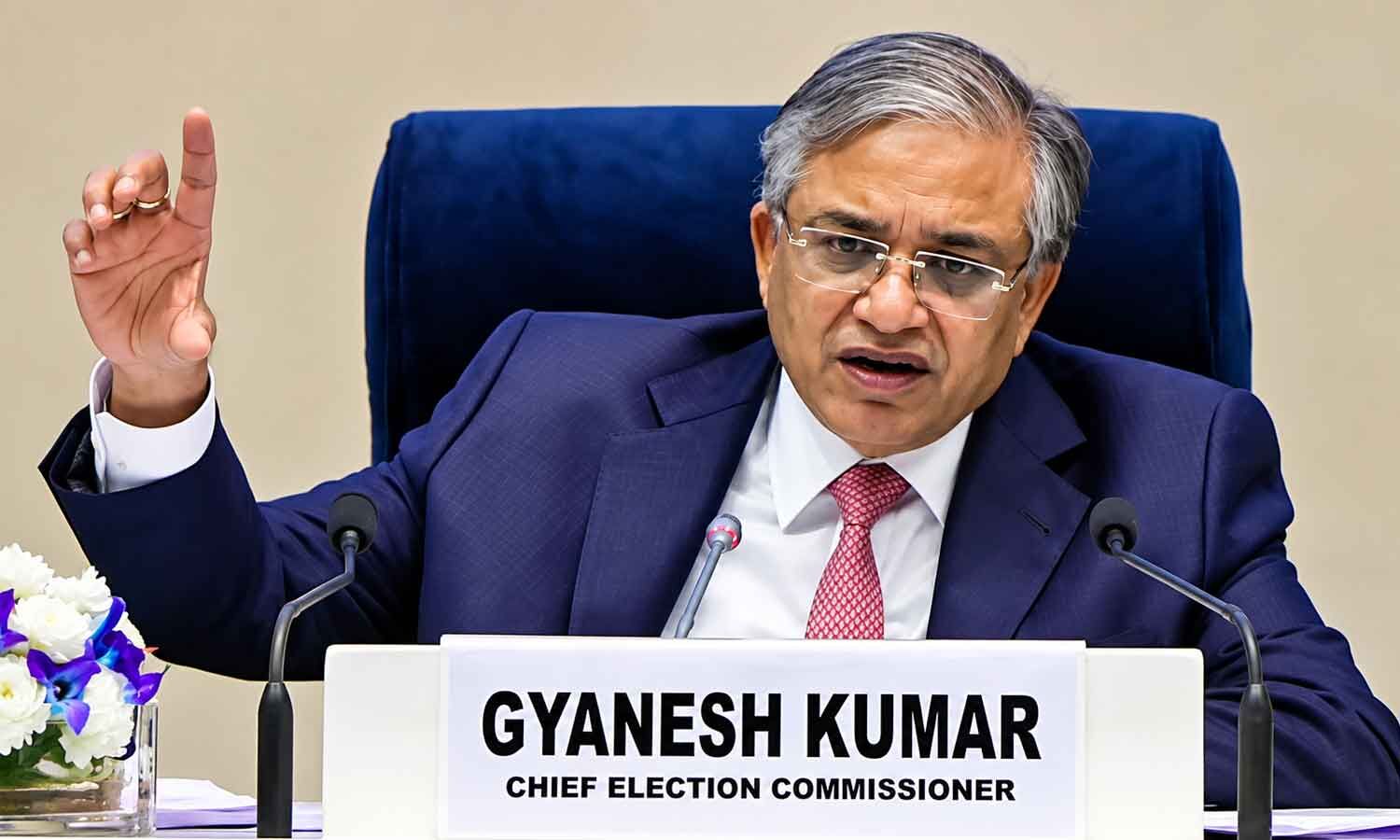
Questions Mount Over Gyanesh Kumar’s Election Commission Leadership
Satheesan Calls for Election Commission Independence Amid SIR Allegations
Opposition Demands CEC Removal as SIR Dispute Emerges
Election Roll Dispute Puts Trust in India’s Machinery Under Scrutiny

Election Panel Disputes Raise Questions About Public Confidence
Opinion Criticizes ECI Lapses and Gyanesh Kumar’s Leadership
Supreme Court to Examine Recall Plea in Election Commission Verdict

KBR Park Road Plan Scrapped After Trees Were Cut
Supreme Court Orders Fresh Polls in 50 Punjab Wards

Andhra Pradesh High Court Seeks Supreme Court Order in Custodial Death Case