2 hrs ago
India-US Trade Deal Stalls Amid Tariff Uncertainty

India and the United States have been trying to make a trade deal, but it has stalled again.
The plan was for the United States to lower taxes on goods from India, while India would lower some of its own taxes and buy more American goods.
Since the plan was announced, US tariff rules have changed several times.
India currently has a 10% tariff under the latest system, but other countries may soon get similar or better terms.
The article argues that India should not rely only on having a lower tariff than competitors.
It says India should ask for promises that are harder to change, such as limits on future tariffs and notice before new ones are imposed.
It also suggests linking India's promises to whether the United States keeps its own commitments.
The main concern is whether the deal's terms would last.

After 20 months of negotiations, the India-US interim trade deal has stalled for a third time.
A February framework aimed to lower US tariffs on Indian goods from 50% to 18%, while India would cut duties on US industrial goods and increase purchases.
The US Supreme Court struck down the emergency-law basis for the proposed 18% tariff, and subsequent US tariff policies changed the terms.
India now faces a 10% US tariff under a forced-labour-related system, but the article says its advantage over competitors could disappear.
The writer argues India should seek durable protections, including tariff ceilings, consultation, sector exemptions and reciprocal adjustments.
- Who
- The governments of India and the United States.
- What
- Negotiations on an interim trade deal have stalled amid changes to US tariff rules.
- Where
- Between India and the United States.
- When
- The talks have continued for 20 months; the deal has stalled for a third time.
- Why
- Changes in the US legal and tariff framework have made the value and durability of the proposed tariff terms uncertain.
India’s case for stronger protections
US tariff terms as currently described
Value of a tariff advantage
India’s case for stronger protections
India should secure a clear, lasting advantage over competitors before making concessions, because its own tariff cuts and purchase commitments could be difficult to reverse.
US tariff terms as currently described
The tariff rate India receives is set through US administrative decisions and may change; the article notes that India currently has a 10% rate and that Vietnam's terms could narrow or erase India's edge.
Durability of the deal
India’s case for stronger protections
India should seek a tariff ceiling, advance notice and consultations on new tariffs, exemptions for key sectors, and phased commitments tied to US compliance.
US tariff terms as currently described
The article describes the existing tariff arrangements as having shifted under different US laws and policies, without a guaranteed enduring bilateral rate.
Key facts
- Negotiation timeline
- Twenty months, according to the article.
- February framework target
- Lower the US tariff on Indian goods from 50% to 18%.
- India's proposed commitments
- Cut duties on US industrial goods and buy more from the United States.
- Current US tariff cited
- India is in the 10% group under the forced-labour-related tariff system described in the article.
- Other US investigation
- A March investigation into structural excess capacity covers 16 economies, including India and Vietnam, with a statutory deadline of March 2027.
- Pharmaceuticals
- Generic medicines are exempt from new pharma duties for now; the exemption is up for review by April 2027.
- Proposed future duties
- The article says Trump announced a plan to impose steep duties on imported generics from 2028.
Sources
Related news
India-US Trade Deal Nears Final Stretch, But Is Not Imminent
India-US Trade Deal Nears End, but Sticking Points Remain
India-US Trade Deal Advances Amid Tariff and Relationship Uncertainty
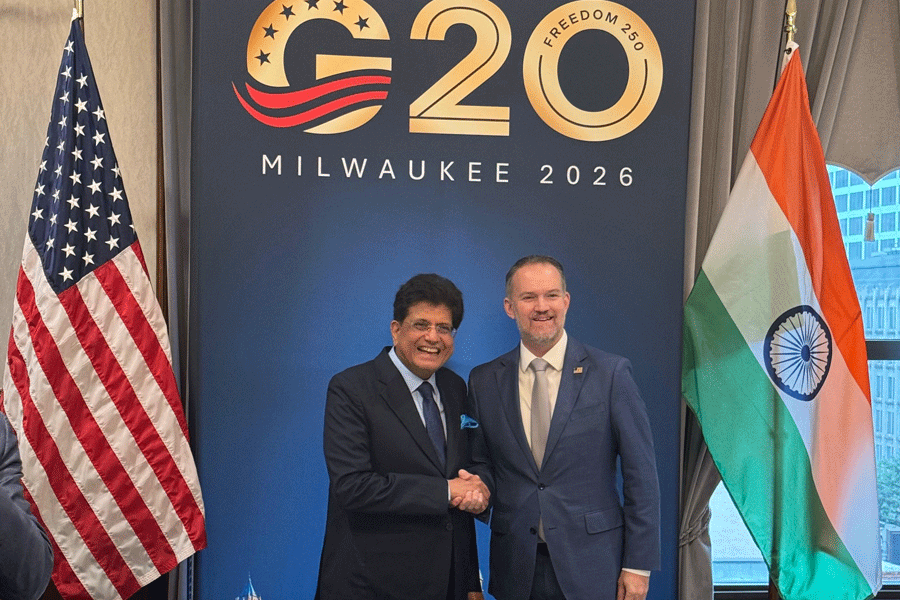
Goyal, Greer Advance India-United States Interim Trade Deal Talks
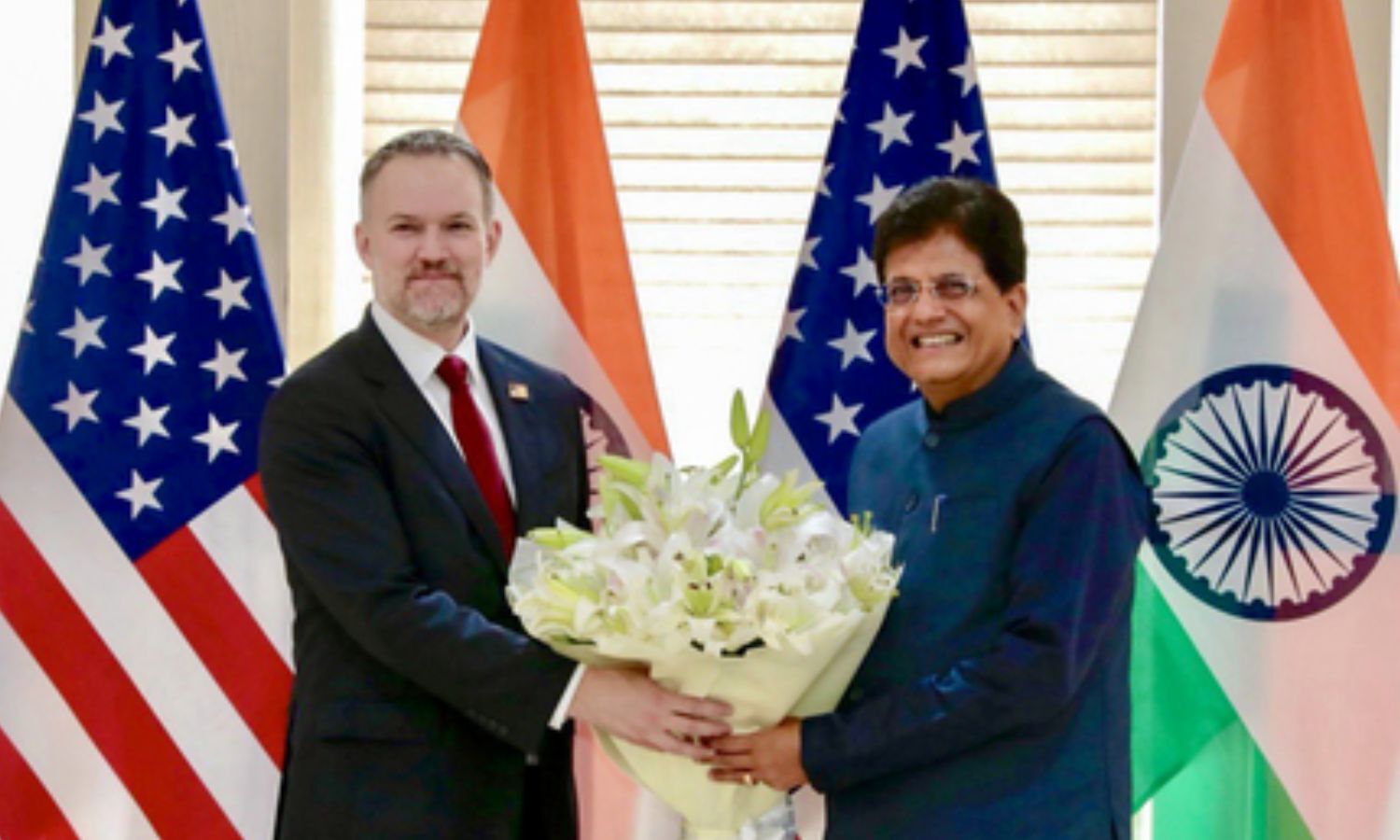
India, US Advance Bilateral Trade Pact During Goyal Visit

US Tariffs on Indian Goods Shift Through Major Trade Developments

India’s AI Innovations Spotlighted During UNGA Week Event
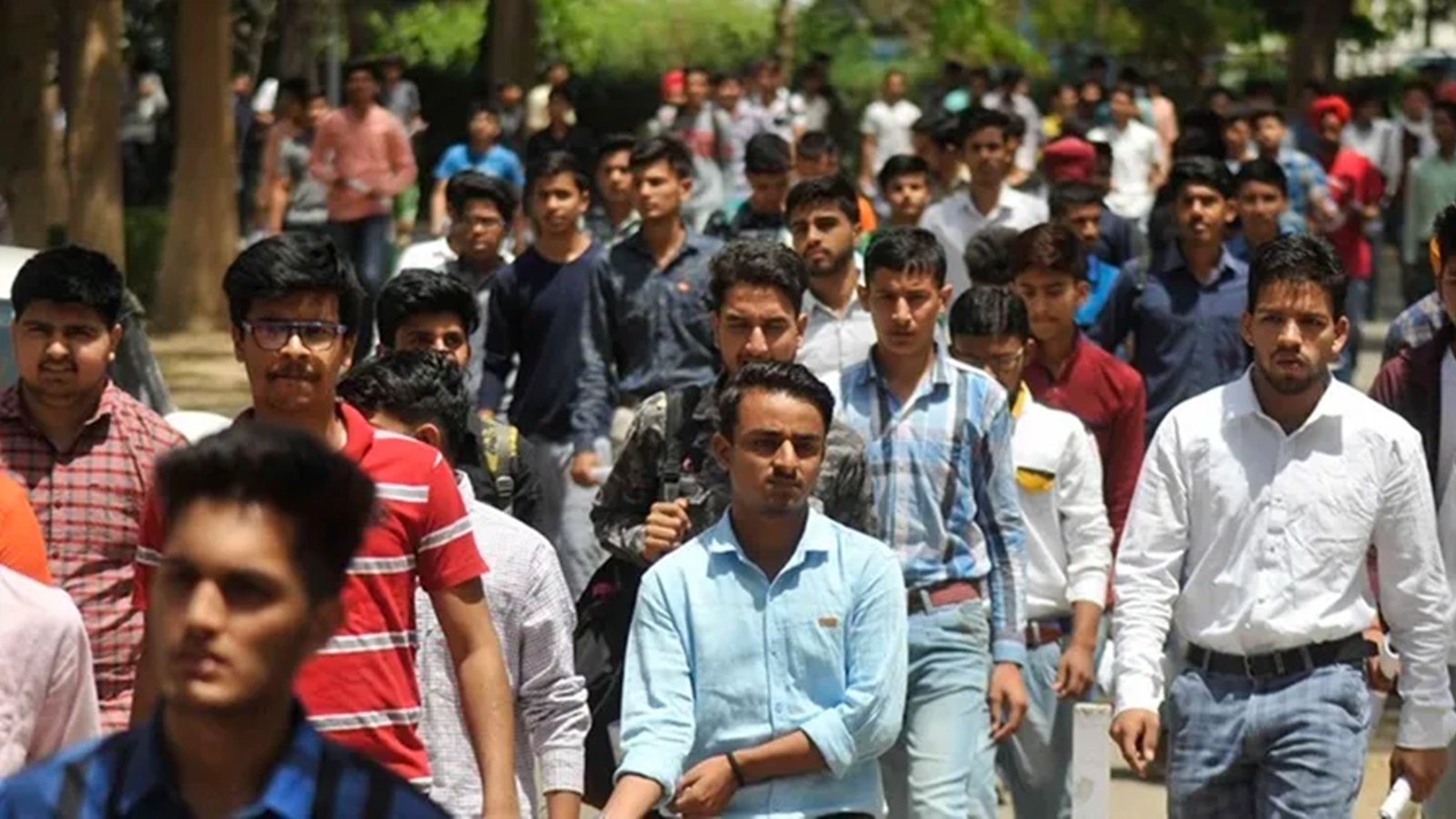
Cash Transfers Offer Temporary Relief, Not Solutions to Educated Unemployment

West Asia Crisis Prompts Calls for India Energy Diversification
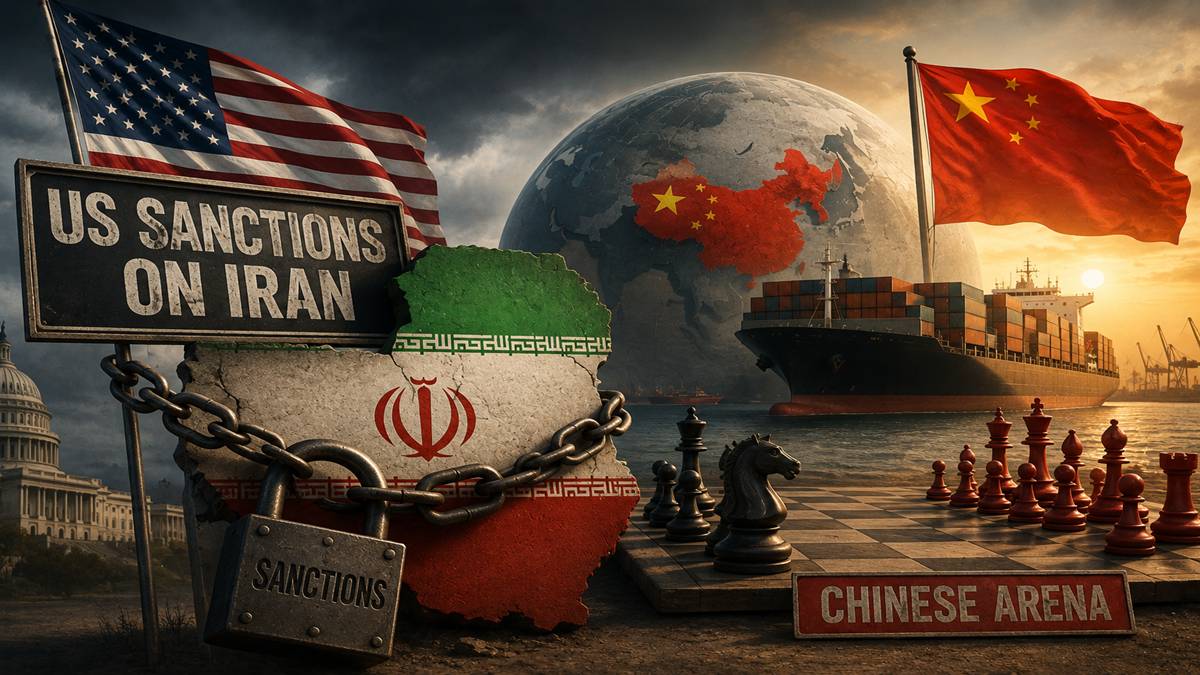
US Sanctions on Iran Shift Pressure Toward China and India